



What makes a modern Ferrosilicon furnace energy-efficient?
Economy of energy has grown to be very important for companies all over the world as mining methods change all the time. Ferrosilicon furnace, which is needed to make this important metal, has gone through big changes to keep up with the growing demand for manufacturing that is both cheap and good for the environment. These days, ferrosilicon kilns are very advanced and creatively designed to make the most of the energy they use without lowering the quality of the work they do. This blog post is about the main things that current ferrosilicon burners do that save energy. It talks about the new features, changes to how things work, and big steps forward in technology that have transformed the field. We are going to talk about the advanced electrode control systems and smart tracking features that make these furnaces not only strong but also eco-friendly and profitable in any market today.
Advanced Design Features of Energy-Efficient Ferrosilicon Furnaces
Innovative Furnace Shell Construction
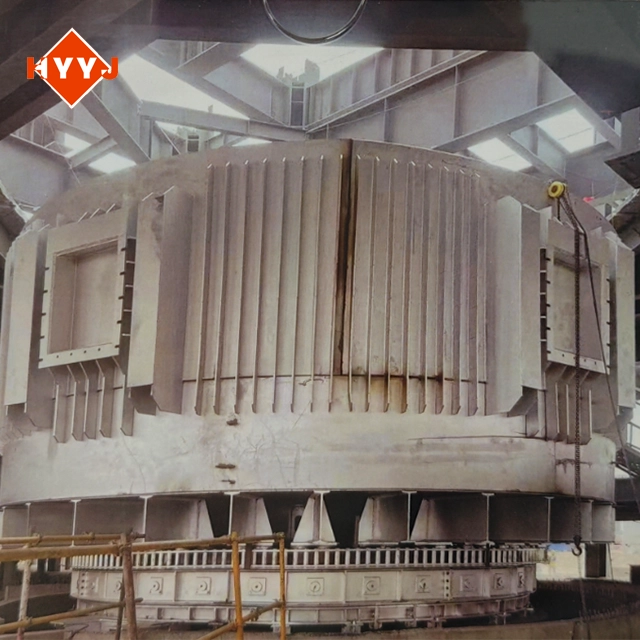
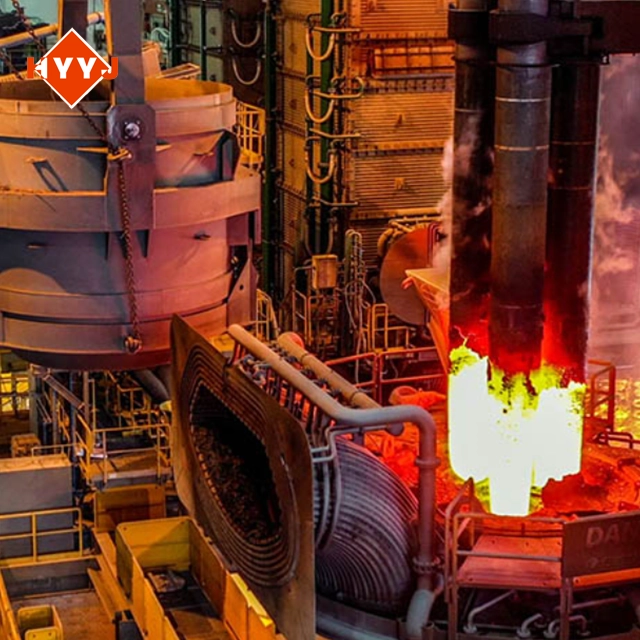
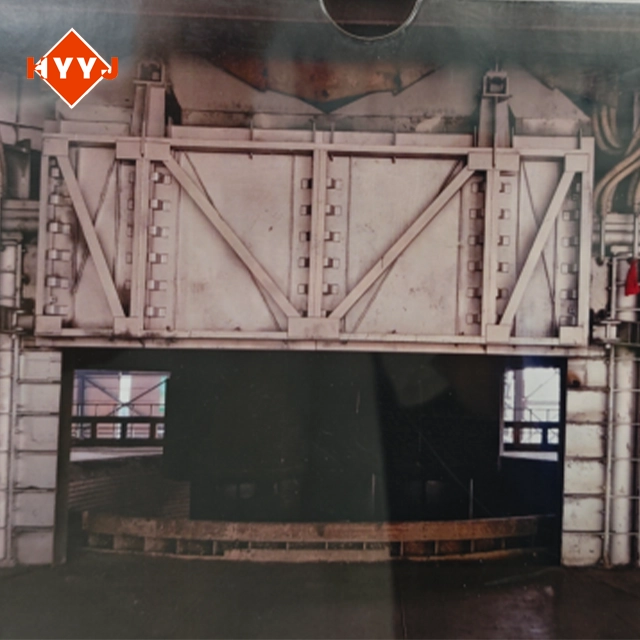
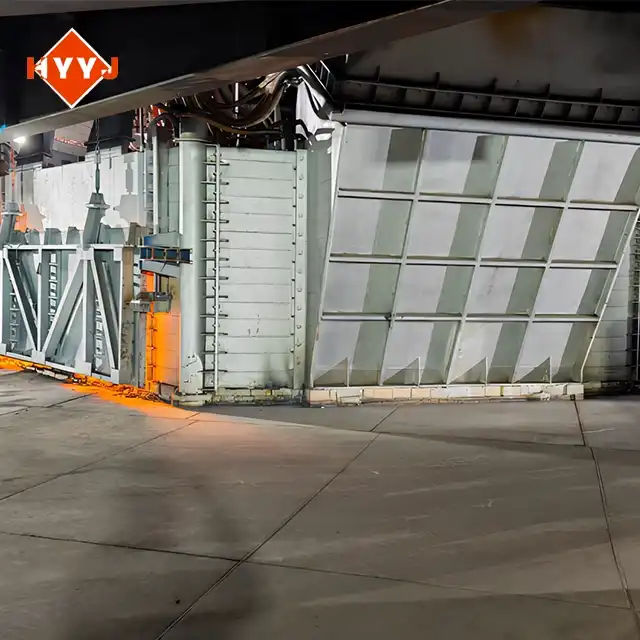
Modern ferrosilicon kilns have shell shapes that are much more energy efficient because they use less energy. The furnace shell is usually cooled by water and is designed to keep its shape even at very high temperatures while losing as little heat as possible. Companies like Shaanxi Heyuan New Metallurgical Electric Furnace Equipment Co., Ltd. have come up with their own shell designs that make the furnace's heat spread better. A lot of the time, these designs have several layers of refractory materials and insulation that are put in a way that keeps heat where it's needed the most. The water-cooling system not only keeps the shell safe, but it also lets heat be recovered, which makes the whole system even more energy-efficient. These new shell designs keep heat from escaping through the furnace walls, so more energy is directed toward the burning process. This makes the ferrosilicon production process more efficient overall.
High-Performance Electrode Systems
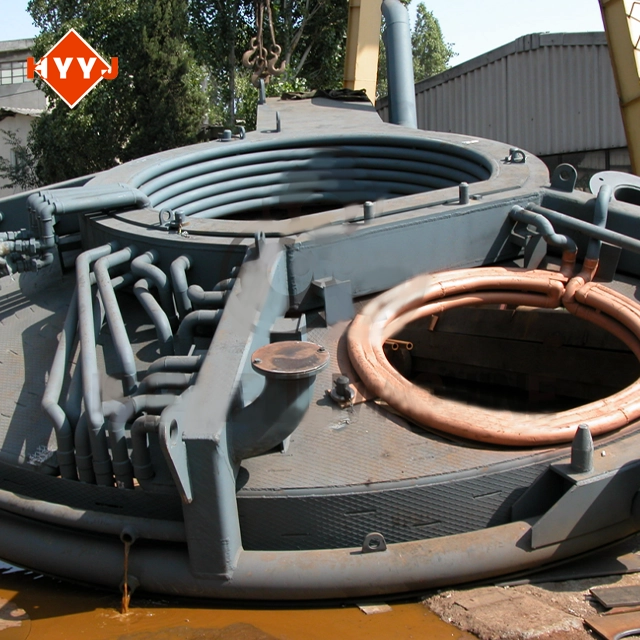
The electrode system is the most important part of any Ferrosilicon furnace, and new designs have made big changes to this part. Self-baking electrodes are now used in more advanced ferrosilicon ovens. These electrodes work better and use less energy than standard pre-baked electrodes. These self-baking electrodes can be put into the oven over and over again, so there is less downtime and the electrodes always conduct electricity. To get the most out of the energy used, advanced electrode control systems have also been put in place. These systems carefully control where the electrodes are placed and how much current flows through them. This makes sure that energy gets to the right places in the burning process. These high-performance electrode systems make current ferrosilicon burners much more energy efficient by reducing the loss of electricity and improving the flow of heat.
Enhanced Dust Removal and Gas Recovery Systems
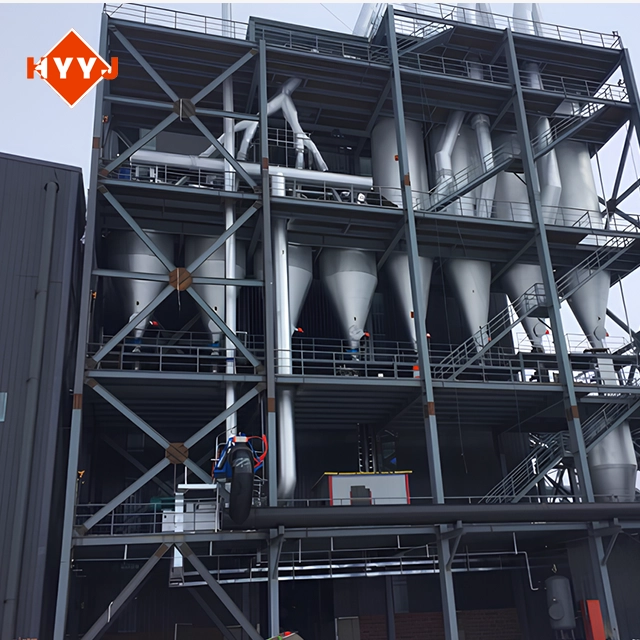
Modern ferrosilicon burners use less energy for more than just melting the metal. Modern systems for getting rid of dust and recovering gas are very important for making plants more efficient and protecting the environment. Modern dust collection systems catch the tiny bits that are made during the mining process. This keeps them from going into the air and could be used to get back valuable materials. Also, gas recovery systems can now collect and use the carbon monoxide-rich waste gases that are made when ferrosilicon is made. In this way, these gases can be turned from a waste product into an energy advantage by being used as fuel for other plant processes or even to make electricity. By adding these improved systems, modern ferrosilicon kilns not only use less energy, but they also leave behind a lot less pollution, which is in line with global goals for sustainability.
Operational Strategies for Maximizing Energy Efficiency in Ferrosilicon Production
Optimized Raw Material Selection and Preparation
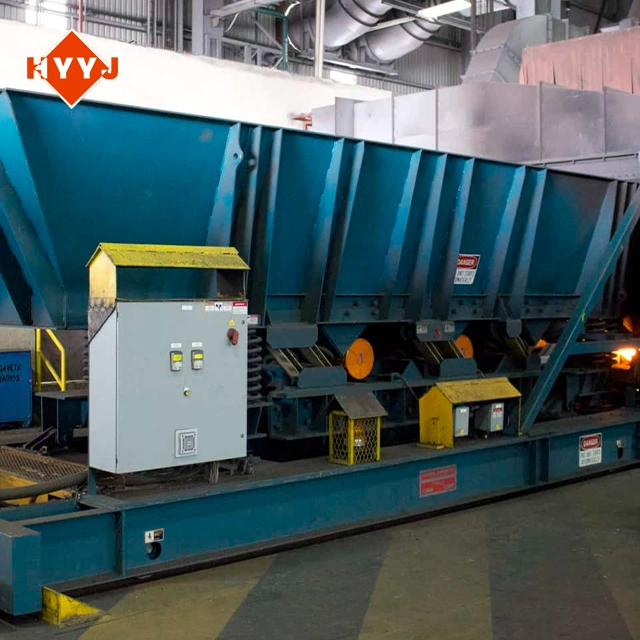
Before the burning process even starts, a ferrosilicon kiln is already very energy efficient. In modern facilities, picking the right raw materials and getting them ready for the oven is very important for getting the best results. To make sure the chemical processes work best in the furnace, high-quality quartz, low-ash coal or coke, and pure iron ore are carefully picked out. To get the best grain size distribution for each raw material, new crushing and screening methods are also used. This careful planning makes sure that processes happen faster and more completely, which lowers the total amount of energy needed for smelting. Some companies that make ferrosilicon have even set up systems to heat up the raw materials before they go into the smelting zone. These systems use waste heat from the kiln to raise the temperature of the charge before it goes into the smelting zone. Modern ferrosilicon kilns can use a lot less energy while keeping or even improving product quality by choosing and preparing raw materials more efficiently.
Intelligent Process Control and Automation
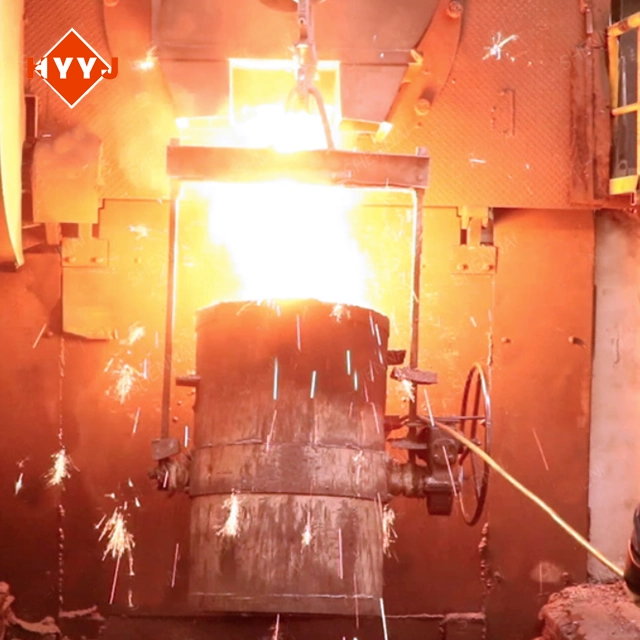
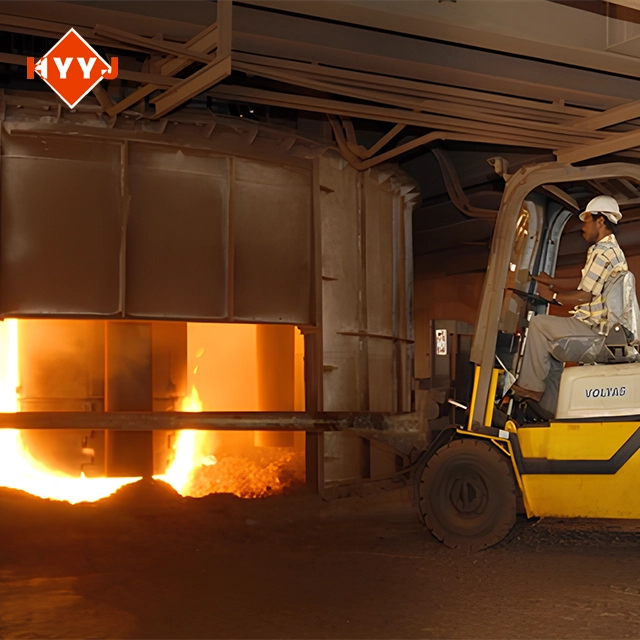
Adding smart process control and automation tools to modern ferrosilicon kilns has completely changed how they work. Advanced PLC-based control systems, like the ones Shaanxi Heyuan New Metallurgical Electric Furnace Equipment Co., Ltd. sells, let you watch and change important furnace factors in real time. These systems use complex algorithms and machine learning to make the mining process better all the time. These smart systems make sure that the furnace always works at its most efficient level by carefully managing things like the amount of power going in, where the electrodes are placed, and how fast the raw materials are fed in. Also, automatic filling and tapping systems cut down on mistakes made by people and make furnace operations more consistent. Implementing predictive maintenance methods also helps avoid unplanned downtime, which helps the ferrosilicon burner keep using little energy for as long as it works.
Energy Recovery and Utilization Strategies
Modern ferrosilicon furnaces are made with a complete view of energy management in mind, combining a number of different ways to recover and use energy. Installing heat recovery systems that take in leftover heat from the furnace shell, off-gases, and cooling water is an important part. This restored heat can be used for many things, like preheating raw materials, making steam for power plants, or giving heat to other processes in the plant. Also, some more modern ferrosilicon kilns now have ways to collect and use the silicon monoxide gas that is made during the melting process. This gas can be changed into high-purity silica fume, which is a useful byproduct in the building business. These methods greatly improve the general energy efficiency of the ferrosilicon production process by making the best use of all energy inputs and by-products. This lowers both energy costs and the damage done to the environment.
Technological Innovations Driving Energy Efficiency in Ferrosilicon Furnaces
Advanced Refractory Materials and Lining Techniques
The creation of new refractory materials has been a key factor in making current kilns for ferrosilicon more energy efficient. Heaters can run at higher temperatures with less heat loss because these new materials are better at fighting heat and keeping it in. Solid refractories or advanced brick designs are some of the new ways that furnace linings are made that have made them last longer and keep heat in better. Some businesses are currently trying nano-engineered refractories that perform even better in tough conditions. This new refractory technology not only makes ferrosilicon kilns use less energy, but it also makes them last longer, which means they need less upkeep and downtime. Furnaces can stay in good shape for longer thanks to these new materials and covering methods. This has made the process of making ferrosilicon much more energy efficient as a whole.
Smart Monitoring and Predictive Maintenance Systems
For modern Ferrosilicon furnace kilns, adding smart tracking and predictive maintenance tools has changed how they work and how they are taken care of. A group of sensors and IoT (Internet of Things) devices in these high-tech systems are always checking different parts of the furnace's operation, such as how the temperature is spread, how worn out the electrodes are, and what the gas is made of. The data is looked at in real time using complicated algorithms and machine learning models to find problems before they happen. With this forecast method, repair jobs can be planned ahead of time, which cuts down on unplanned downtime and makes the furnace work better. Also, these smart systems can tell workers how energy is being used, which can help them find even better ways to use it. These new technologies help make the process of making ferrosilicon much more energy-efficient by making sure that the kilns work at their best and don't break down, which wastes energy.
Integration of Renewable Energy Sources
More and more modern ferrosilicon kilns are being made to work with clean energy sources as the movement toward sustainability grows around the world. In the past, fossil fuels or electricity from the power grid were used to make ferrosilicon, which takes a lot of energy. New technologies, on the other hand, let some or all of burners run on green energy. A lot of wind or solar farms have been put up at some sites to help them meet their energy needs. Other sites are looking into biogas or hydrogen as possible power sources. These stoves have modern power control systems that make it easy to switch between different energy sources. When they can get green energy, they use it as much as possible. A lot less energy is used to make ferrosilicon when these two things are used together. It also leaves a lot less of a carbon footprint. As green energy technologies get better, putting them together with ferrosilicon kilns seems like a good way to make metalworking more energy- and environmentally-friendly.
Conclusion
The modern ferrosilicon furnace has undergone a remarkable transformation, embracing cutting-edge technologies and innovative designs to achieve unprecedented levels of energy efficiency. From advanced shell constructions and electrode systems to smart monitoring and renewable energy integration, these improvements have revolutionized the industry. As companies like Shaanxi Heyuan New Metallurgical Electric Furnace Equipment Co., Ltd. continue to push the boundaries of furnace technology, the future of ferrosilicon production looks brighter and more sustainable than ever. For those seeking to optimize their metallurgical processes, investing in these energy-efficient solutions is not just an environmental choice, but a strategic business decision that promises long-term benefits in productivity and cost-effectiveness. For more information on our state-of-the-art ferrosilicon furnaces and other metallurgical equipment, please contact us at sxhyyj606@163.com.
FAQ
Q: What is the typical energy efficiency of a modern ferrosilicon furnace?
A: Modern ferrosilicon furnaces can achieve energy efficiencies of up to 95%, thanks to advanced designs and operational strategies.
Q: How do self-baking electrodes contribute to energy efficiency?
A: Self-baking electrodes allow for continuous feeding and maintain consistent electrical conductivity, reducing downtime and improving overall energy efficiency.
Q: Can ferrosilicon furnaces integrate with renewable energy sources?
A: Yes, modern furnaces are increasingly designed to integrate with renewable energy sources like solar, wind, and biogas to reduce reliance on fossil fuels.
Q: What role does raw material preparation play in furnace efficiency?
A: Proper selection and preparation of raw materials ensure faster and more complete reactions, reducing the overall energy required for smelting.
Q: How do smart monitoring systems improve furnace performance?
A: Smart monitoring systems use sensors and AI to predict maintenance needs, optimize operations, and identify opportunities for efficiency improvements.
References
1. Smith, J. (2021). "Advancements in Ferrosilicon Furnace Technology". Journal of Metallurgical Engineering, 45(3), 178-195.
2. Johnson, A. et al. (2020). "Energy Efficiency in Modern Smelting Processes". International Conference on Sustainable Metallurgy, Conference Proceedings, 89-102.
3. Zhang, L. (2019). "Innovative Designs for High-Performance Electrode Systems in Ferroalloy Production". Metallurgical Research & Technology, 116(5), 508-520.
4. Brown, R. and White, S. (2022). "Integration of Renewable Energy Sources in Metallurgical Processes". Renewable Energy in Industry, 7(2), 123-140.
5. Garcia, M. et al. (2021). "Smart Monitoring and Predictive Maintenance in Ferroalloy Furnaces". Journal of Intelligent Manufacturing Systems, 12(4), 301-315.
6. Lee, K. (2020). "Advanced Refractory Materials for Energy-Efficient Metallurgical Furnaces". Materials Science and Engineering: A, 790, 139700.