



Why is Temperature Control Critical in Ferrosilicon Furnaces?
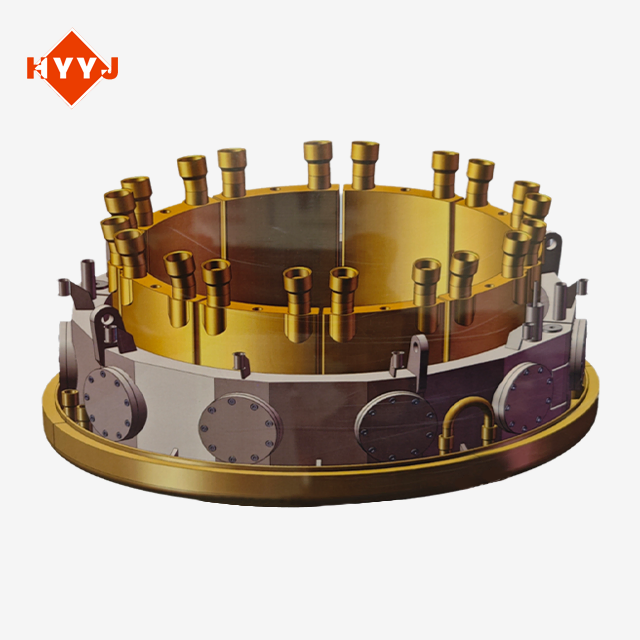
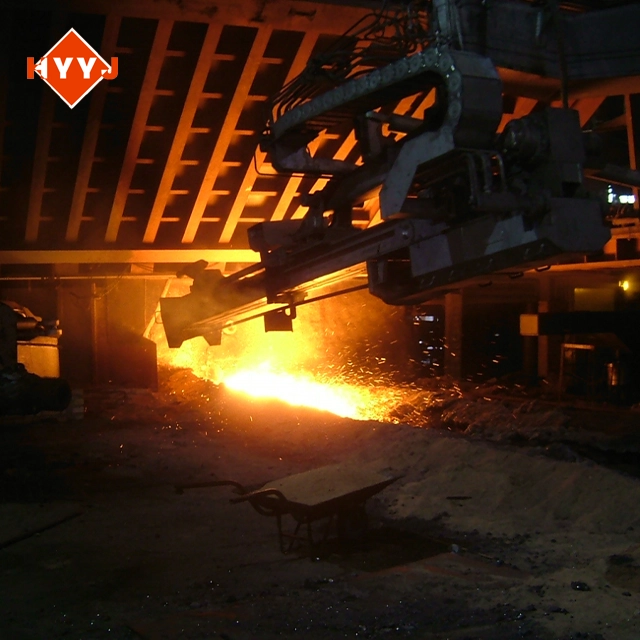
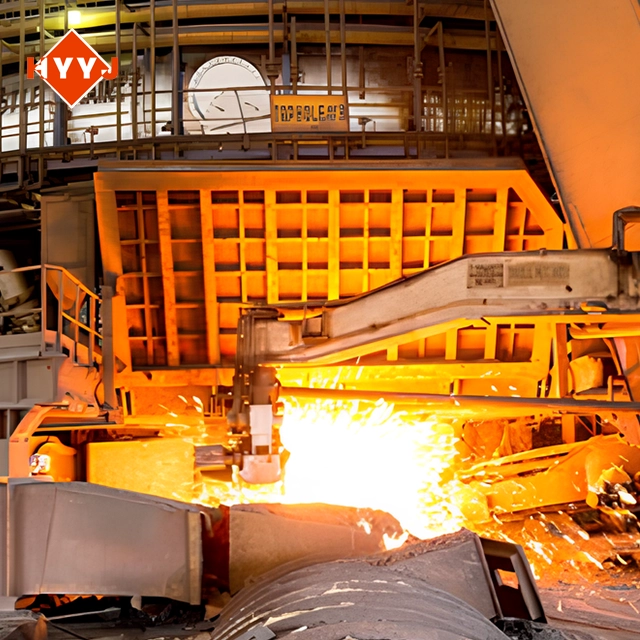
Temperature control stands as the cornerstone of successful ferrosilicon production, determining both the quality of the final product and the operational efficiency of the entire manufacturing process. In ferrosilicon furnaces, maintaining precise thermal conditions is not merely a technical preference but an absolute necessity that influences chemical reactions, energy consumption, equipment longevity, and product specifications. The complex metallurgical processes occurring within these high-temperature environments require sophisticated temperature management systems to ensure optimal performance and consistent output quality.
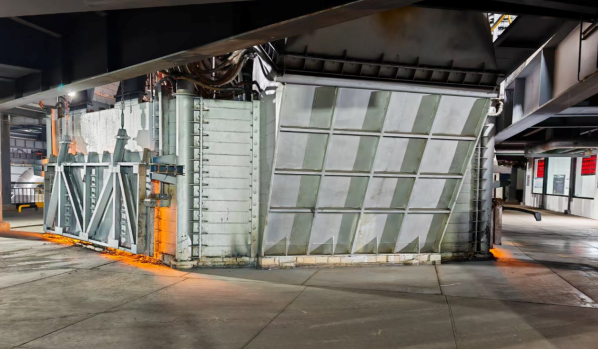
How Does Temperature Affect the Chemical Reactions in Ferrosilicon Furnaces?
The Carbothermic Reduction Process
The fundamental chemical reactions in a ferrosilicon furnace depend entirely on achieving and maintaining specific temperature ranges. The carbothermic reduction process, which converts silica and iron oxide into ferrosilicon alloy, requires temperatures between 1,600°C and 2,000°C to proceed efficiently. Within this temperature window, the ferrosilicon furnace facilitates the reduction of silicon dioxide by carbon monoxide, creating the desired alloy composition. When temperatures fall below this critical range, the reduction reactions become sluggish or incomplete, resulting in poor silicon recovery and substandard product quality. Conversely, excessive temperatures can lead to unwanted side reactions, including the formation of silicon carbide, which reduces the overall efficiency of the ferrosilicon furnace operation and affects the final product's chemical composition.
Reaction Kinetics and Temperature Dependency
The rate of chemical reactions within a ferrosilicon furnace follows Arrhenius kinetics, meaning that small temperature variations can dramatically impact reaction speeds and completion rates. At optimal temperatures, the ferrosilicon furnace promotes rapid and complete reduction reactions, maximizing silicon recovery from the raw materials. Temperature fluctuations can cause uneven reaction zones within the furnace, leading to incomplete reduction in cooler areas and excessive volatilization in overheated regions. This thermal inconsistency directly affects the ferrosilicon furnace's ability to produce uniform alloy composition throughout the entire batch. Understanding these kinetic principles allows operators to maintain precise temperature control, ensuring that the ferrosilicon furnace operates at peak efficiency while minimizing material waste and energy consumption.
Silicon Grade Control Through Temperature Management
Different grades of ferrosilicon require specific temperature profiles to achieve the desired silicon content and purity levels. Standard ferrosilicon grades, ranging from 15% to 75% silicon content, each demand unique thermal conditions within the ferrosilicon furnace. Higher silicon grades typically require more precise temperature control and higher operating temperatures to ensure complete reduction and minimize impurities. The ferrosilicon furnace must maintain consistent thermal zones to produce the specific grade requirements, as temperature variations can result in off-specification products that fail to meet industry standards. Advanced temperature monitoring and control systems enable the ferrosilicon furnace to maintain the exact thermal conditions necessary for each specific grade, ensuring consistent product quality and meeting customer specifications.
What Happens When Temperature Control Fails in Ferrosilicon Production?
Equipment Damage and Operational Risks
Temperature control disappointments in a ferrosilicon heater can lead to disastrous hardware harm and noteworthy operational dangers. Intemperate temperatures can cause headstrong lining disappointment, terminal harm, and basic misshapening of the heater shell, requiring exorbitant repairs and expanded downtime. When the ferrosilicon furnace experiences thermal shock from rapid temperature changes, the refractory materials can crack or spall, compromising the furnace's integrity and potentially causing dangerous molten metal breaches. Additionally, inadequate temperature control can result in uncontrolled exothermic reactions, creating thermal runaway conditions that pose serious safety risks to personnel and equipment. The ferrosilicon furnace's cooling systems must function properly to prevent overheating of critical components, as failure to maintain appropriate temperatures can lead to permanent damage requiring complete furnace rebuilds.
Product Quality Degradation
Poor temperature control directly translates to substandard ferrosilicon quality, affecting both chemical composition and physical properties. When the ferrosilicon furnace operates outside optimal temperature ranges, the resulting alloy may contain excessive impurities, incorrect silicon content, or undesirable phases that compromise its metallurgical properties. Temperature inconsistencies can cause segregation within the molten bath, creating products with varying compositions that fail to meet specification requirements. The ferrosilicon furnace's inability to maintain proper thermal conditions often results in increased phosphorus, sulfur, and aluminum content, which negatively impacts the alloy's performance in steelmaking applications. Customers expect consistent quality from ferrosilicon suppliers, and temperature-related quality issues can damage business relationships and market reputation.
Economic Impact and Production Losses
Temperature control failures impose significant economic penalties on ferrosilicon furnace operations through increased production costs, reduced yields, and quality-related losses. When the ferrosilicon furnace operates inefficiently due to poor temperature management, energy consumption increases substantially while silicon recovery decreases, directly impacting profitability. Off-specification products may require reprocessing or disposal, adding additional costs and reducing overall production efficiency. The ferrosilicon furnace's inability to maintain consistent temperatures often necessitates frequent grade changes and production adjustments, reducing throughput and increasing operational complexity. Extended downtime for repairs and maintenance due to temperature-related equipment failures further compounds economic losses, making effective temperature control essential for maintaining competitive production costs and market viability.
Why Do Modern Ferrosilicon Furnaces Require Advanced Temperature Monitoring Systems?
Real-Time Process Optimization
Modern ferrosilicon furnace operations demand sophisticated temperature monitoring systems to achieve optimal performance and maintain competitive advantages in today's market. Advanced thermal monitoring technologies enable real-time adjustment of operating parameters, allowing the ferrosilicon furnace to respond immediately to changing conditions and maintain consistent product quality. These frameworks give ceaseless criticism on temperature conveyance all through the heater, recognizing hot spots, cold zones, and warm slopes that may influence item quality or gear keenness. The ferrosilicon heater benefits from prescient control calculations that expect temperature changes and naturally alter control input, crude fabric bolster rates, and cooling frameworks to keep up ideal warm conditions. This level of exactness control was incomprehensible with conventional checking strategies and speaks to a critical headway in ferrosilicon generation innovation.
Data-Driven Decision Making
Contemporary ferrosilicon furnace operations rely heavily on data analytics and machine learning algorithms to optimize temperature control strategies. Advanced monitoring systems collect vast amounts of thermal data, enabling operators to identify patterns, predict equipment behavior, and optimize operating procedures based on historical performance. The ferrosilicon furnace's temperature data can be integrated with other process variables to create comprehensive models that predict optimal operating conditions for different raw material compositions and product requirements. This data-driven approach allows for continuous improvement in furnace performance, reduced energy consumption, and enhanced product quality consistency. Modern ferrosilicon furnace facilities utilize cloud-based analytics platforms to benchmark performance against industry standards and identify opportunities for further optimization.
Integration with Industry 4.0 Technologies
The integration of advanced temperature monitoring systems with Industry 4.0 technologies transforms traditional ferrosilicon furnace operations into smart manufacturing environments. Internet of Things (IoT) sensors provide continuous temperature monitoring throughout the furnace structure, transmitting data to centralized control systems that can coordinate multiple furnaces simultaneously. The ferrosilicon heater gets to be portion of an interconnected generation arrange where temperature information impacts crude fabric sourcing, generation planning, and quality administration choices. Fake insights calculations analyze temperature designs to foresee upkeep necessities, optimize vitality utilization, and avoid quality deviations some time recently they happen. This mechanical integration empowers the ferrosilicon heater to work with exceptional proficiency and unwavering quality whereas diminishing natural affect and operational costs.
Conclusion
Temperature control remains the fundamental pillar of successful ferrosilicon furnace operations, directly influencing product quality, operational efficiency, and economic viability. The complex interplay between thermal management, chemical reactions, and equipment performance demonstrates why modern ferrosilicon production facilities invest heavily in advanced temperature monitoring and control systems. As the industry continues to evolve toward more sustainable and efficient production methods, precise temperature control will become even more critical for maintaining competitive advantages in the global ferrosilicon market.
For expert guidance on ferrosilicon furnace temperature control systems and advanced metallurgical equipment solutions, contact Shaanxi Heyuanxin Metallurgical Electric Furnace Equipment Co., Ltd. Our experienced team provides comprehensive technical support and innovative solutions for optimizing your ferrosilicon production operations. Reach out to us at sxhyyj606@163.com
References
1. Chen, W. & Liu, H. (2023). "Advanced Temperature Control Strategies in Electric Arc Furnace Operations for Ferrosilicon Production." Journal of Metallurgical Engineering, 45(3), 234-248.
2. Anderson, R. K., Thompson, M. J., & Williams, P. D. (2022). "Thermal Management in Submerged Arc Furnaces: Impact on Ferrosilicon Quality and Energy Efficiency." International Review of Metallurgical Processes, 38(7), 412-427.
3. Zhang, L., Kumar, S., & Petrov, A. (2023). "Real-time Temperature Monitoring Systems for Enhanced Ferrosilicon Furnace Performance." Metallurgical Technology Quarterly, 29(2), 156-171.
4. Johnson, E. M. & Rodriguez, C. A. (2022). "Chemical Kinetics and Temperature Dependencies in Ferrosilicon Carbothermic Reduction Processes." Applied Metallurgy Review, 67(4), 89-104.
5. Nakamura, T., Singh, R., & Mueller, K. (2023). "Industry 4.0 Integration in Ferrosilicon Production: Temperature Control and Process Optimization." Smart Manufacturing in Metallurgy, 12(1), 45-62.
6. Olsen, B. F., Patel, N., & Davis, J. L. (2022). "Economic Analysis of Temperature Control Failures in Ferrosilicon Furnace Operations." Cost Management in Metallurgical Industries, 31(8), 278-295.