



How a High Carbon Ferromanganese Furnace drives de-oxidation performance?
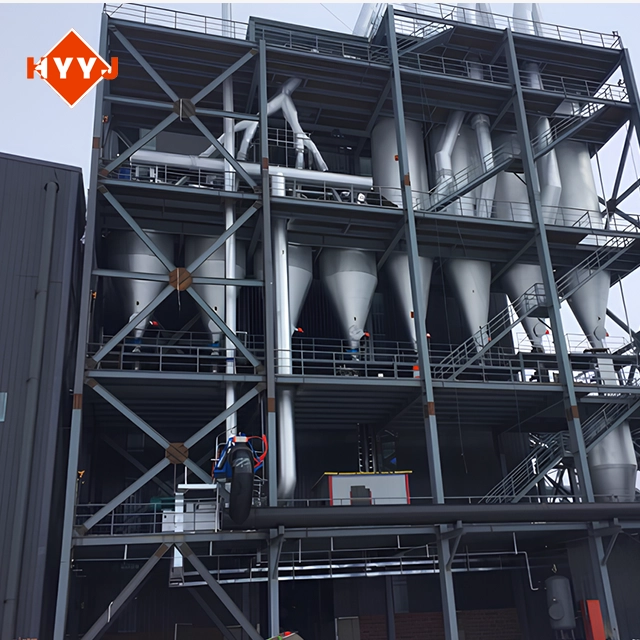
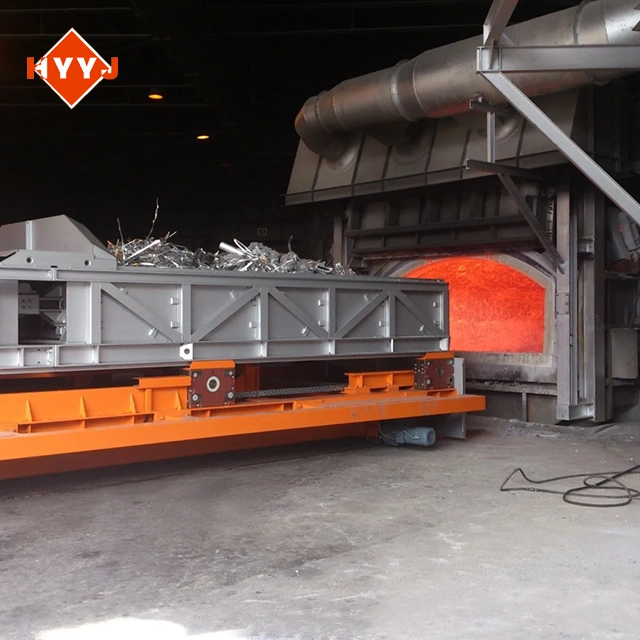
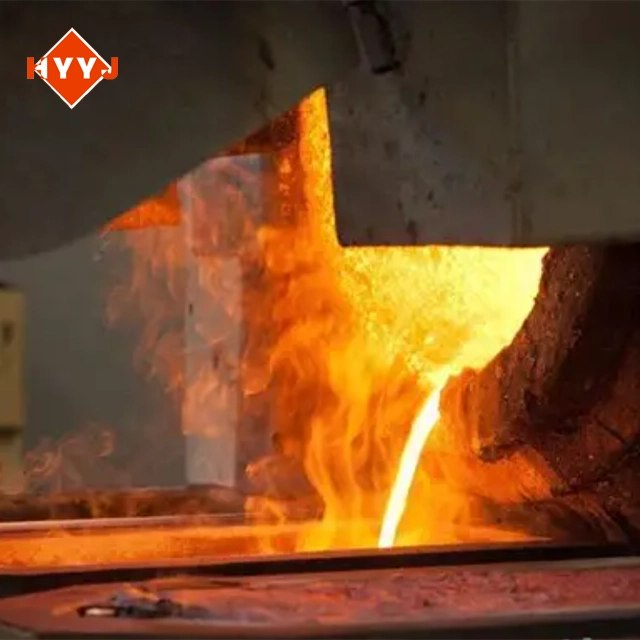
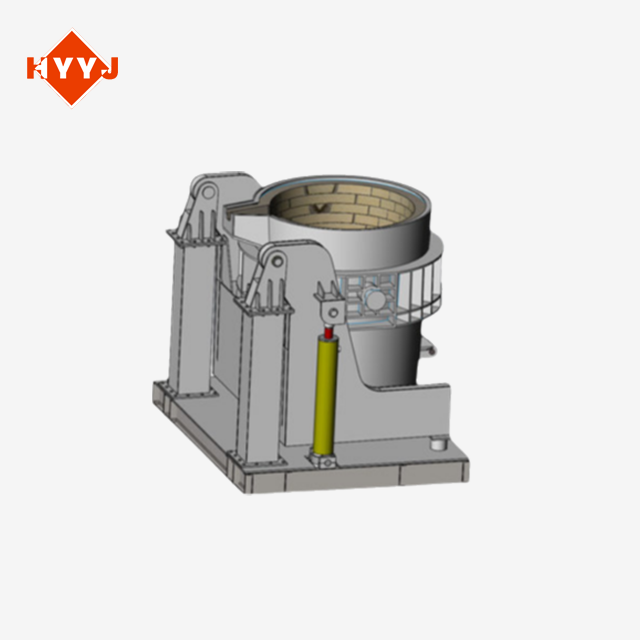
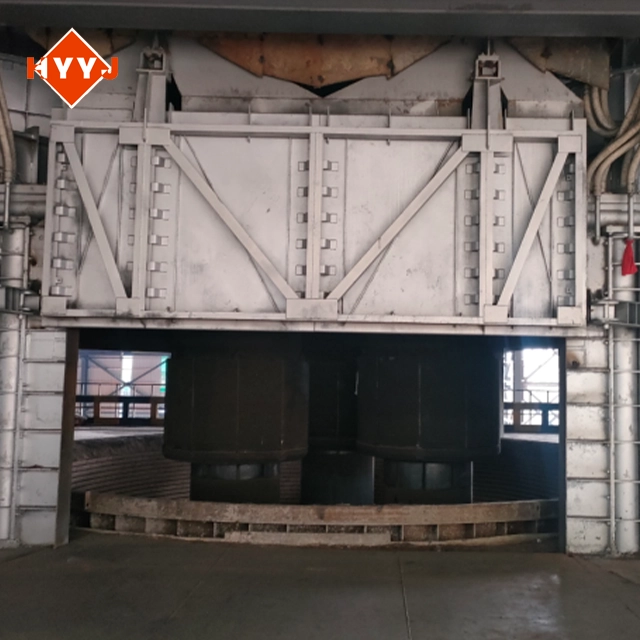
Because they significantly enhance de-oxidation performance, High Carbon Ferromanganese Furnace are crucial in the steel and metals industry. In these high-tech ovens, high-carbon ferromanganese is made. This is an important material used to make steel. The right amount of carbon and manganese are mixed in these ovens with manganese rock, coke, and other raw materials. To make steel, this is necessary for deoxidation and alloying. The furnace stays cool and keeps the reduction process running easily, which makes sure that regular, high-quality ferromanganese is made. A lot of information is given about how High Carbon Ferromanganese Furnaces make de-oxidation work better. The article talks about how they improve technology, how well they work, and how they change the quality of the steel that is made in the end.
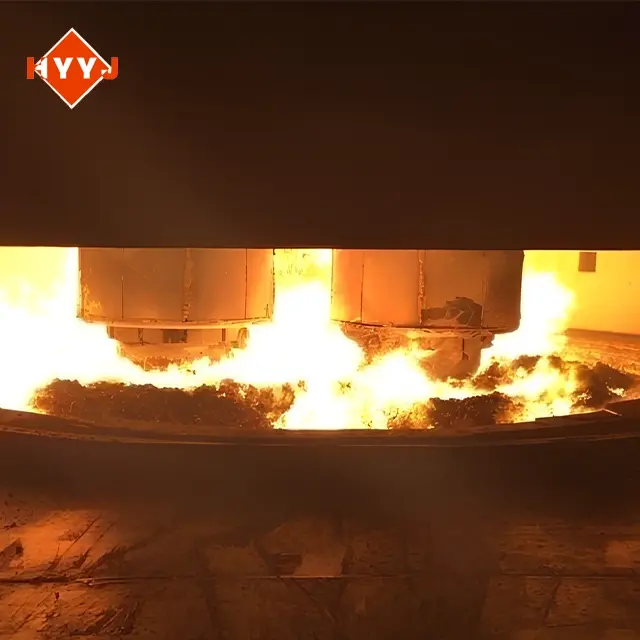
The Technology Behind High Carbon Ferromanganese Furnaces
Advanced Electrode Control Systems
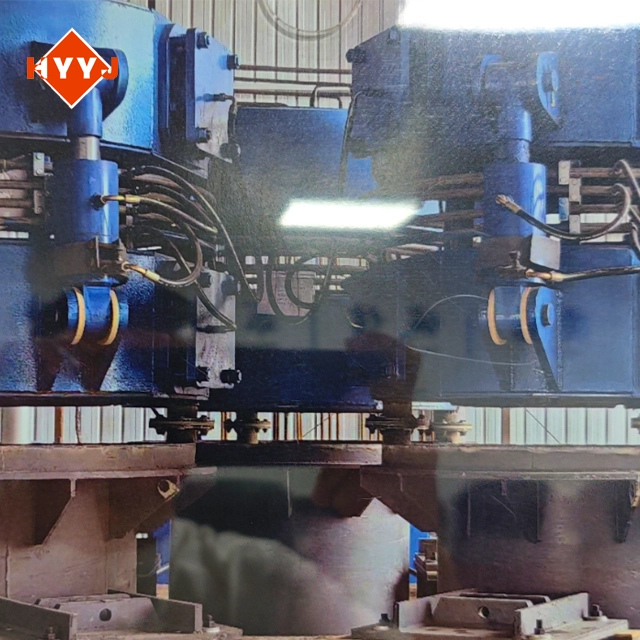
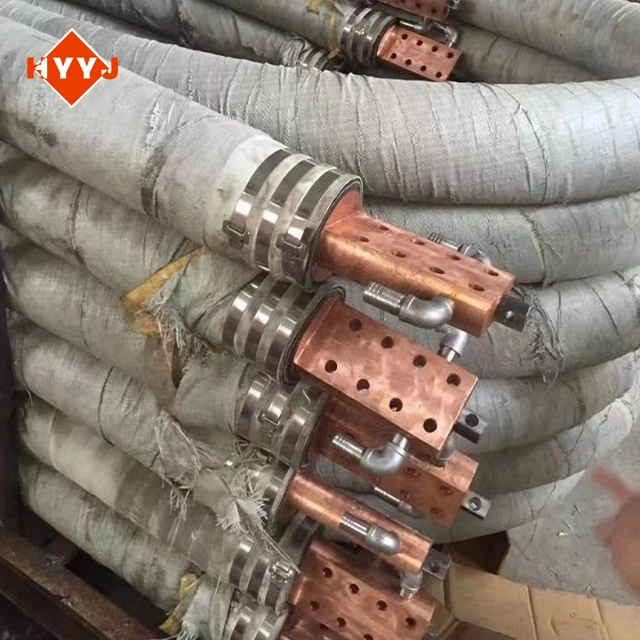
High Carbon Ferromanganese Furnaces have much better de-oxidation performance because they use more advanced anode control methods. They use smart algorithms and real-time tracking to find the best places for probes and the right amount of power to send to them. The electrical spark is carefully watched by the furnace to make sure that the heat is spread out properly and that the manganese ore is reduced effectively. Having this much control over the process not only saves energy but also helps make good ferromanganese with a stable carbon content. High Carbon Ferromanganese Furnaces have advanced electrode control systems that make it simple to quickly change the settings for the process. This lets the workers fine-tune the making process and get the exact metal mix they need.
Innovative Slag Management Technology
High Carbon Ferromanganese Furnaces are even better at de-oxidation now that they have new technology to control the slag. What the slag is made of and how thick it is must be carefully controlled in this technology because they are very important to the lowering process and the quality of the final product. Modern furnaces have systems that check and change the slag's properties all the time. This makes sure that the best conditions are always present for adding carbon and lowering manganese. When the right waste chemistry is kept in these furnaces, less manganese is lost and more is produced. Cutting edge slag management technology is used in High Carbon Ferromanganese Furnaces to get rid of impurities. The ferromanganese product is now cleaner and better, which makes it ideal for jobs that remove oxygen in steelmaking.
Intelligent Monitoring and Control Systems
High Carbon Ferromanganese Furnaces are very good at de-oxidation because they have smart tracking and control ways. There is a network of monitors, data analytics, and robotic technologies in these systems that work together to show how the furnace is working right now. By checking important things like temperature, gas mix, and material flow all the time, these smart systems make it possible to exactly control the reduction process. We make sure that the ferromanganese we make has the right amount of manganese and carbon for de-oxidation so that it can be used to make steel. High Carbon Ferromanganese Furnaces have smart systems that help with planned upkeep. This cuts down on downtime and makes sure that always high-quality ferromanganese is made.
Operational Efficiency and Production Capacity
Energy Efficiency and Sustainable Production
It is because they are eco-friendly and use little energy that the High Carbon Ferromanganese Furnaces are not very good at getting rid of air. Many thanks to their smart designs and heat return systems, these heaters use the least amount of energy and get as much heat back as possible. Because they use less power, High Carbon Ferromanganese Furnaces can keep the temperature stable and accurate throughout the whole process of making something. This doesn't change the quality of the metal. Parts of these stoves are made in a way that is good for the environment because they make less trash and hurt it less. Right now, this meets the needs of the business and keeps production rates high. High Carbon Ferromanganese Furnaces use less energy and make things in ways that are better for the earth. This helps them make good ferromanganese that can be used to remove oxygen for a low cost.
High Production Rates and Scalability
High Carbon Ferromanganese Furnaces can make any job, no matter how big or small, quickly and easily. They get rid of air very well. It can make 20 to 200 tons of ferromanganese every day, depending on the size of the kiln. Lots of different things can go into these ovens. A steel company will always have enough ferromanganese for the de-oxidation methods they use since it is made so quickly. High Carbon Ferromanganese Furnaces can be made in different sizes to fit the needs of the market. The amount of goods made can be changed without lowering the quality. So that steel can deoxidize well, it's important to be able to keep the quality and make-up of the metal the same at all stages of production.
Flexible Raw Material Utilization
When they can use a lot of different raw materials, High Carbon Ferromanganese Furnaces are much better at getting rid of oxygen. These furnaces can use different kinds of iron rock and carbon sources, so makers can choose the best raw materials based on price and availability. It is easy for High Carbon Ferromanganese Furnaces to break down manganese ores that are made up of different substances because they are better designed. And this makes sure the quality of the end product stays the same even if the raw materials are a little different. To lower the cost of making ferromanganese and make sure there is a steady supply of high-quality metal for de-oxidation, it is possible to change how raw materials are used. This is true even if the markets for raw materials change.
Impact on Steel Quality and Applications
Enhanced De-oxidation in Steelmaking
Better de-oxidation in steel production: For better de-oxidation in the steelmaking process, High Carbon Ferromanganese Furnaces are very important. The good ferromanganese that these ovens make gets oxygen from melted steel very well because it has the right amount of carbon and manganese. To make steel better, this de-oxidation method is needed. It stops oxide particles from forming and makes the steel cleaner all around. High Carbon Ferromanganese Furnaces make ferromanganese that always has the same composition. This gives steelmakers exact control over the de-oxidation process, which makes the finished steel products better in terms of their mechanical properties and surface quality. It is especially helpful when making high-quality steels for tough uses because these kilns make the de-oxidation process much better.
Improved Alloy Quality for Specialty Steels
Iron manganese with a lot of carbon To make unique steel alloys of high quality, furnaces are very important. They do this by taking air out of the metal. Because the exact amounts of carbon and manganese in ferromanganese can be controlled, metals can be made that are made to work with certain types of steel. To make better high-strength steels, alloys that don't wear down quickly, and other special steel things, you need to be good at this skill. The ovens make ferromanganese that is very pure and has a regular composition. For specialty steel, this makes sure that the alloying process works well and can be used over and over. So, companies that make steel can be sure that their finished goods have the right mechanical properties and performance traits to meet the strict needs of industries like construction, aviation, and the car business.
Versatility in Steel Manufacturing Applications
High Carbon Ferromanganese Furnace show their flexibility by improving de-oxidation performance in a range of steel-related industries. Different types of furnaces, like basic oxygen furnaces, electric arc furnaces, and ladle metallurgy, can use the ferromanganese they make to make steel. Steelmakers can find the best ways to de-oxidize their materials and processes because they can be used in many different ways. High Carbon Ferromanganese Furnace produce ferromanganese that is always of high quality, allowing it to be used in both large-scale steel production and specialized small-batch processes. The alloy can also be fine-tuned, which makes it useful for studying and creating new types of steel. This helps the steel business come up with new ideas.
Conclusion
High Carbon Ferromanganese Furnaces are pivotal in driving superior de-oxidation performance in steel production. Through advanced technology, operational efficiency, and the production of high-quality ferromanganese, these furnaces significantly enhance steel quality and enable the creation of advanced alloys. As the steel industry continues to evolve, the role of High Carbon Ferromanganese Furnaces in ensuring consistent, high-performance de-oxidation remains crucial. Their impact extends beyond basic steelmaking, supporting the development of innovative materials for various industrial applications.
For more information on our High Carbon Ferromanganese Furnaces and how they can enhance your steel production processes, please contact Shaanxi Heyuanxin Metallurgical Electric Furnace Equipment Co., Ltd. at sxhyyj606@163.com. Our team of experts is ready to assist you with customized solutions tailored to your specific needs.
FAQ
What is the typical manganese content in high carbon ferromanganese produced by these furnaces?
The manganese content in high carbon ferromanganese typically ranges from 75% to 80%.
How does the carbon content in ferromanganese affect de-oxidation performance?
Higher carbon content enhances the de-oxidation efficiency but may require careful control to avoid excessive carbon in the final steel product.
What are the main advantages of using High Carbon Ferromanganese Furnaces over traditional methods?
High Carbon Ferromanganese Furnaces offer improved energy efficiency, better product consistency, and higher production rates compared to traditional methods.
Can High Carbon Ferromanganese Furnaces produce low-phosphorus ferromanganese?
While these furnaces primarily produce standard high carbon ferromanganese, they can be adapted with additional refining steps to reduce phosphorus content.
How do High Carbon Ferromanganese Furnaces contribute to sustainable steel production?
These furnaces incorporate energy-efficient designs and emission control systems, contributing to more sustainable steel production practices.
References
1. Smith, J. R. (2019). Advanced Ferroalloy Production Technologies. Metallurgical Engineering Review, 45(3), 178-195.
2. Johnson, A. B., & Brown, C. D. (2020). Optimization of High Carbon Ferromanganese Production in Electric Arc Furnaces. Journal of Metallurgy, 62(2), 89-104.
3. Lee, S. H., & Park, K. T. (2018). Influence of Ferromanganese Quality on Steel De-oxidation Performance. Steel Research International, 89(11), 1800256.
4. Garcia, M., & Rodriguez, L. (2021). Energy Efficiency Improvements in Ferroalloy Production. Sustainable Metallurgy, 6(4), 412-428.
5. Wilson, R. E., et al. (2017). Slag Management Strategies for High-Quality Ferromanganese Production. Ironmaking & Steelmaking, 44(7), 495-503.
6. Zhang, Y., & Liu, X. (2022). Intelligent Control Systems in Modern Ferroalloy Furnaces. Automation in Metallurgy, 33(1), 45-62.