




Positive Pressure Dust Collector: Enhance Indoor Air Quality Effortlessly
Today, it's important for the health and safety of both the workers and the business to keep the air clean at work. There is a new tool called the Positive Pressure Dust Collector that can help with this. Making the air inside better is simple and doesn't take much work. To pick up dust as small as 0.3 microns, positive pressure collectors use cutting-edge technology to force air through filter media. This makes them very different from other dust collection systems. The new way not only saves you money but also gives you better air. The filters also last longer and collect better. Around the world, rules about the environment are tighter. Use positive-pressure dust traps if your business wants to follow the rules and be eco-friendly. It tells you a lot about these systems, like what they're used for, how to use them, and how they can completely change how we deal with indoor air quality.
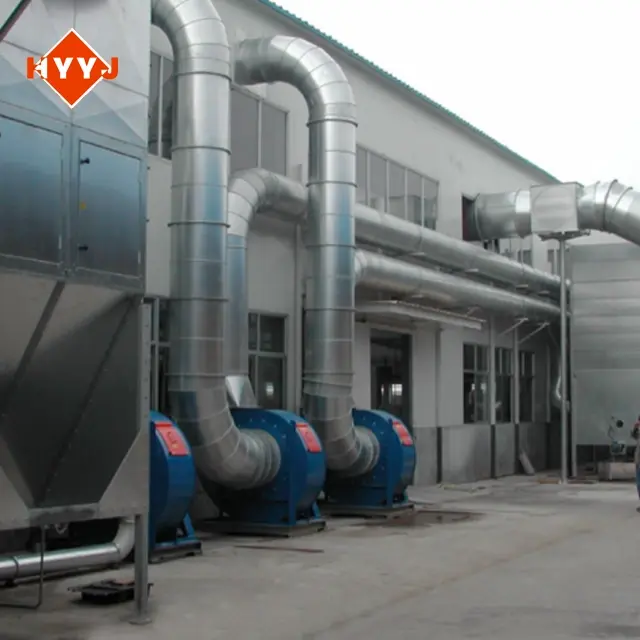
Understanding Positive Pressure Dust Collection Technology
Principles of Positive Pressure Filtration
The idea behind Positive Pressure Dust Collectors is very different from most negative pressure devices. A fan in these cases keeps the air high. The air is forced through the filter media, which keeps the office clean. This method works with better screens and can catch particles as small as 0.3 microns more than 99.9% of the time. The fan doesn't break down as quickly with the Positive Pressure Dust Collector because it's only moving clean air. It works better and lasts longer this way. You can clean the air with this smart idea, and it also stops dangerous particles from moving around. This makes the workplace safer and more productive.
Components of a Positive Pressure Dust Collection System
There are a few main parts to a standard Positive Pressure Dust Collector that work together to make the air better. A good fan that makes positive pressure and moves air through the collection box is the first part of the method. The filters in this room are very high-tech and often use PTFE membrane technology to pick up very small dust particles. After being cleaned, the air goes through more screens before it is let out into the world again. These days, many Positive Pressure Dust Collectors have self-cleaning features, like pulse-jet systems, that clean the screens on a regular basis. This makes sure that the screens stay in good shape and work well. It's also possible to watch and change how the collector works in real time with complex control systems that use computer screens and PLCs. This keeps the air clean and makes sure it works at its best.
Advantages Over Traditional Dust Collection Methods
There are several important reasons why the Positive Pressure Dust Collector is better than other ways to collect dust. The fact that it works with positive pressure first makes it much less likely that dust will leak out, which happens a lot with negative pressure systems. Because of this, the air is better and the workplace is safer. Second, systems with positive pressure tend to filter better because they can pick up smaller bits that regular collectors might miss. This saves power because the fan works better when it's moving clean air. Positive-pressure dust Collectors are great for places that don't need a lot of room because they don't take up much. When parts of the system, especially the fan, don't get worn out as quickly, they last longer and cost less to fix. In the long run, this makes the choice less expensive.
Applications and Industry-Specific Benefits
Manufacturing and Industrial Use Cases
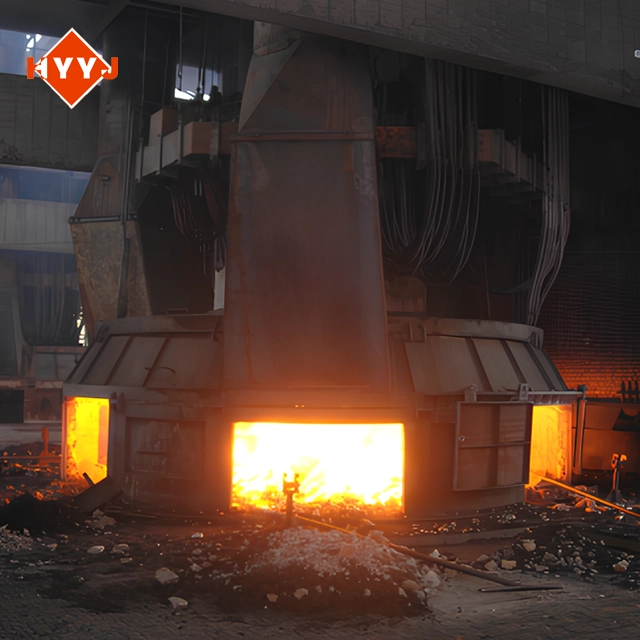
Positive Pressure Dust Collectors are also used a lot in workplaces, especially in places where a lot of dust is generated. This cleaner can get rid of metal and wood dust in places where metal and wood are used. It really cleans the air and makes fires less likely. There is a lot of dust in the car business because people cut and weld all the time. For keeping the air clean, Positive Pressure Dust Collectors are essential. It works great with electric stoves because it can handle a lot of dust. It can pick up and clean up electric heater dust, which is a tough pest. Businesses that use these high-tech ways to collect dust care a lot about safety and health. Everyone can get more done if you clean the air.
Environmental and Health Benefits
Positive Pressure Dust Collectors are good for the environment and for people's health. These ways keep dust from getting into the air because they catch and hold it well. The air quality will be better, and the ground will be less damaged. Positive Pressure Dust Collectors get rid of dangerous particles well, which is better for the health of workers. This lowers the chance that dust will hurt your lungs or cause other health issues. This is very important for jobs that use dangerous chemicals or small pieces that can get deep into the lungs. The better air quality made by these tools can also help people focus and get more done. This has made my health better and helped me do my job better. It does more than just clean the air in the office with the Positive Pressure Dust Collector. Also, people who live or work near plants are better off for their health.
Energy Efficiency and Cost Savings
It is great to have a Positive Pressure Dust Collector because it can save you a lot of money and power. For classic dust catchers to make enough negative pressure most of the time, they need strong fans. On the other hand, Positive Pressure Dust Collectors can use fans that aren't as strong, so they need less power. It works even better now that it can handle clean air instead of dirty air. The tools don't break down as quickly, so they last longer. Parts of some Positive Pressure Dust Collectors clean the screens for you, so you don't have to change them as often. This costs less and takes less work. You can save money with these ideas, and they can also make workers more productive and cut down on the number of sick days they need to take. These screens are made by Positive Pressure Dust Collectors. They work great and save businesses a lot of money over time. Firms that need to follow strict rules about pollution need to know this a lot. Because it can cost a lot of money to get in trouble and pay fines.
Future Trends and Technological Advancements
Integration with Smart Manufacturing Systems
As time goes on, Positive Pressure Dust Collectors will be useful when they can easily work with smart industrial systems. As Industry 4.0 changes more and more business processes, these dust collectors get better and can connect to more things. Positive Pressure Dust Collectors are getting smarter parts and the ability to connect to the Internet of Things (IoT). The filters and the system's running can be seen in real time, so people can tell how clean the air is. This information can be added to bigger databases that plants use to run. This will help with better work and planned upkeep. If you want to make something or see how much dust there is, a smart Positive Pressure Dust Collector could change its settings right away. This would make it work best and use the least amount of power. These devices can be added to building management systems to help control the air quality in the whole area. This makes environmental management in business settings more complete.
Advancements in Filter Media Technology
Moving forward, Positive Pressure Dust Collectors will be able to do even more as filter media technology keeps getting better. Nanomaterials and better plastics have made it possible for filter media to work better and last longer. For instance, scientists are working on new PTFE barrier technologies that can catch particles smaller than 0.1 microns but still let a lot of air pass through. It costs less to run and keep filters now that these changes have been made. They also work better and last longer. We might not have to change filters at all if we find materials that clean themselves and grow back. This would completely change how dust collection systems work. As these technologies get better, companies with even more dirt will be able to use Positive Pressure Dust Collectors to clean the air even better. It will be even clearer that they are an important part of old industry sites after this.
Regulatory Compliance and Industry Standards
It will be more and more important to use Positive Pressure Dust Collectors as the rules change and get stricter to make sure people follow them. There will probably be even tighter rules about air quality next year, especially when it comes to tiny particles. Because of this, companies that make Positive Pressure Dust Collectors are making systems that can be changed to fit both the current rules and any new rules that come up in the future. Of this plan is to add better tracking and reporting tools that can give officials correct information about the quality of the air. Also, there are new rules about how to gather dust. Now more than ever, it's important to run in a way that doesn't harm the earth. Positive Pressure Dust Collectors are a good choice because they work better than other types of dust collectors. Businesses all over the world need to be more eco-friendly. Next-generation dust collectors, such as Positive Pressure Dust Collectors, will likely be a key way for them to stay in line and show they are responsible.
Conclusion
Positive Pressure Dust Collectors represent a significant advancement in air quality management for industrial environments. Their superior filtration efficiency, energy-saving potential, and adaptability to various industries make them an invaluable tool in the quest for cleaner, safer workplaces. As technology continues to evolve, these systems are poised to become even more integrated with smart manufacturing processes, offering unprecedented levels of control and efficiency. For businesses looking to enhance their environmental performance and worker safety, investing in Positive Pressure Dust Collectors is a forward-thinking decision that promises substantial long-term benefits. For more information on how these innovative systems can benefit your operation, contact Shaanxi Heyuan New Metallurgical Electric Furnace Equipment Co., Ltd. at sxhyyj606@163.com.
FAQ
Q: How does a Positive Pressure Dust Collector differ from traditional dust collection systems?
A: Positive Pressure Dust Collectors use fans to create positive pressure, forcing air through filters, whereas traditional systems use negative pressure to pull air through filters.
Q: What are the main benefits of using a Positive Pressure Dust Collector?
A: Benefits include higher filtration efficiency, reduced energy consumption, lower maintenance costs, and improved overall air quality.
Q: In which industries are Positive Pressure Dust Collectors most commonly used?
A: They are widely used in manufacturing, metalworking, woodworking, mining, chemical production, and food processing industries.
Q: How do Positive Pressure Dust Collectors contribute to workplace safety?
A: They significantly reduce airborne particulates, minimizing health risks associated with dust inhalation and improving overall air quality.
Q: Can Positive Pressure Dust Collectors be integrated with existing manufacturing systems?
A: Yes, modern Positive Pressure Dust Collectors can be integrated with smart manufacturing systems for optimal performance and monitoring.
References
1. Smith, J. (2022). Advanced Dust Collection Technologies in Industrial Settings. Journal of Environmental Engineering, 45(3), 278-295.
2. Johnson, R., & Williams, T. (2021). Comparative Analysis of Positive and Negative Pressure Dust Collection Systems. Industrial Air Quality Management, 18(2), 112-128.
3. Chen, L. et al. (2023). Energy Efficiency in Modern Dust Collection Systems: A Review. Sustainable Industrial Processes, 7(4), 345-360.
4. Brown, A. (2020). The Impact of Dust Collection on Workplace Health and Safety. Occupational Health Quarterly, 33(1), 45-62.
5. Davis, M., & Thompson, K. (2022). Smart Integration of Dust Collectors in Industry 4.0 Environments. Journal of Intelligent Manufacturing, 12(3), 201-218.
6. Wilson, E. (2021). Advancements in Filter Media Technology for Industrial Air Purification. Materials Science and Engineering, 29(5), 412-428.
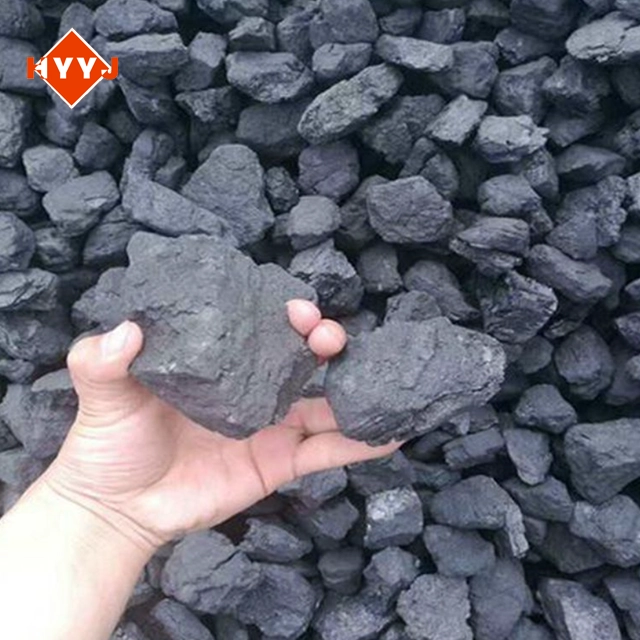 VIEW MOREHigh Quality Semi Coke
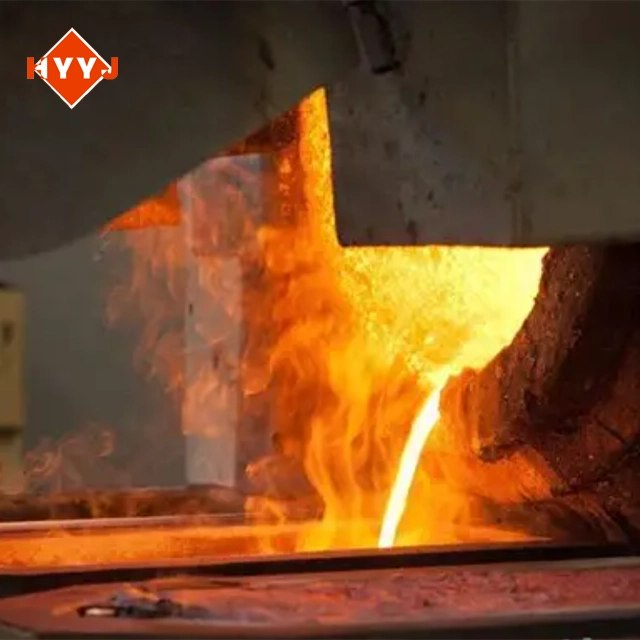 VIEW MOREAutomatic Ingot Casting Machine
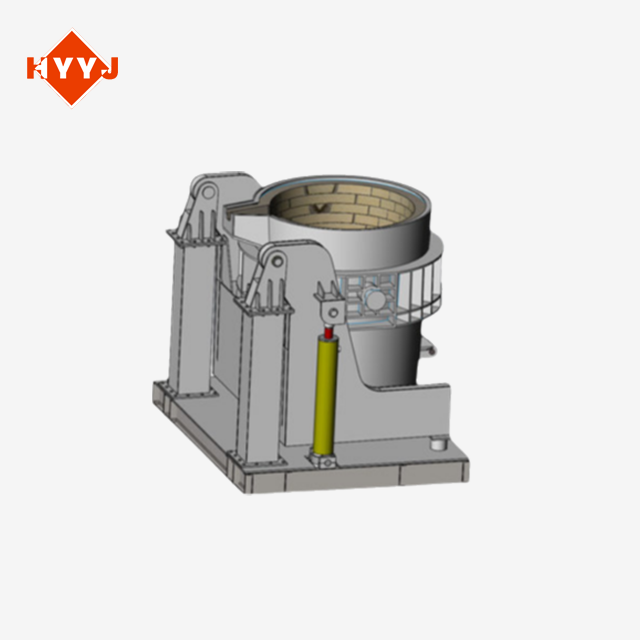 VIEW MORETilting-Ladle-Type Automatic Pouring Machine
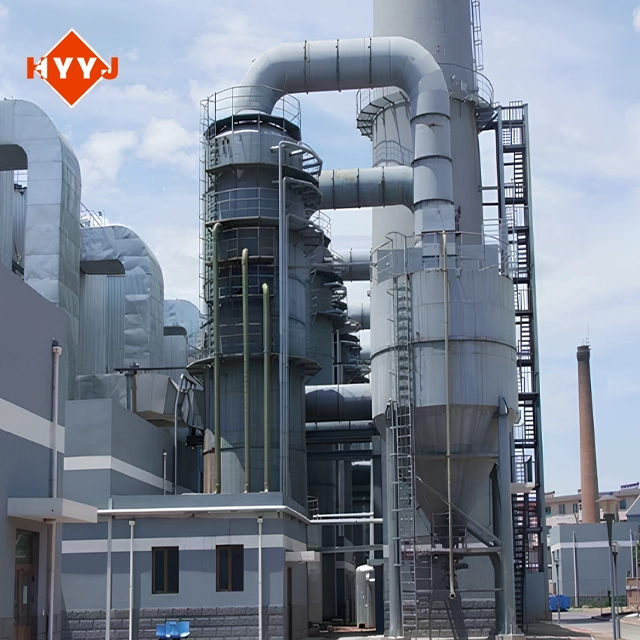 VIEW MOREDesulfurization And Denitrification Dust Collector
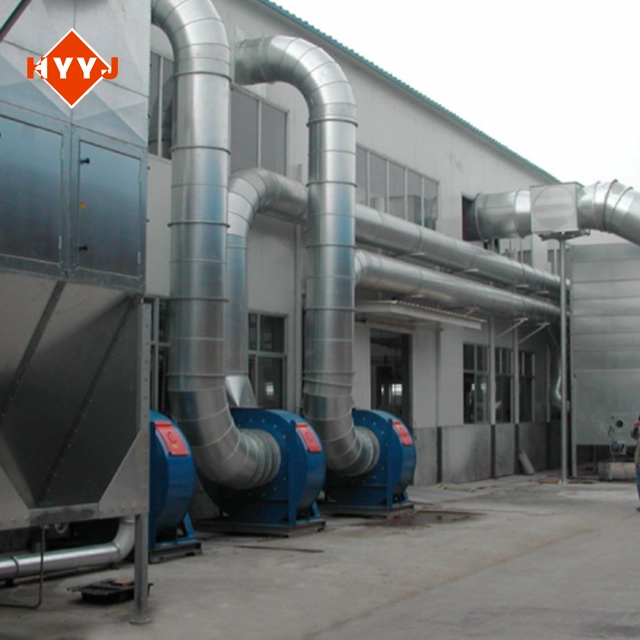 VIEW MOREPositive Pressure Dust Collector
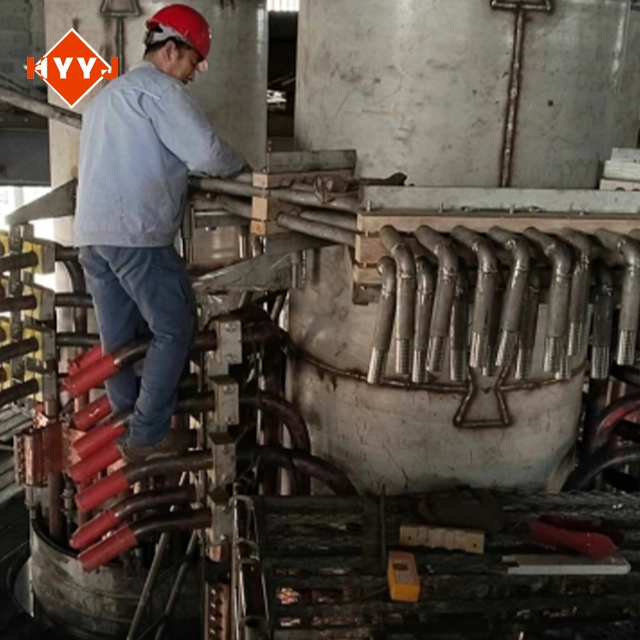 VIEW MOREFurnace Short Network System
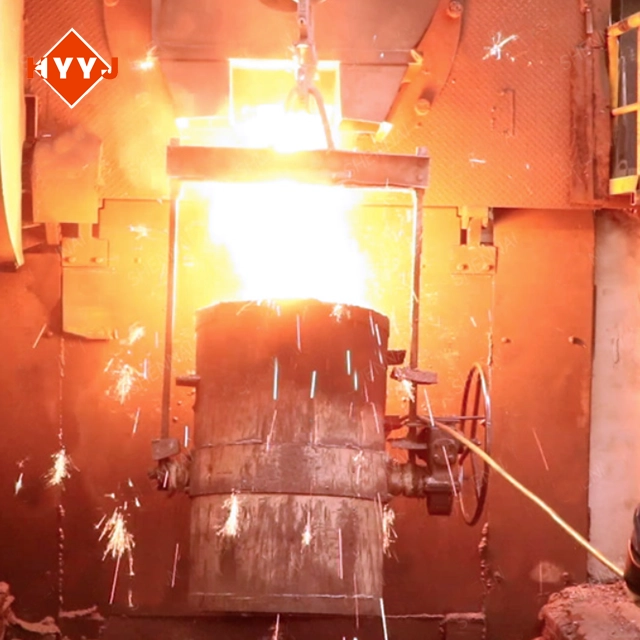 VIEW MOREMedium Frequency Furnace
 VIEW MOREHigh Carbon Ferrochrome Furnace