




The Role of Copper Contact Shoes in Reducing Electrical Losses
It's impossible to say enough about how important copper contact shoes are in electrical engineering and power transfer. These important parts are very important for keeping electrical systems safe, reducing electrical losses, and making sure power transfers smoothly. Copper contact shoes, which are precisely made using advanced mechanical methods, are the most important part of many electrical uses because they connect parts that aren't moving to parts that are. Their main job is to make sure that electrical current flows smoothly while generating as little resistance and heat as possible. By using advanced designs and high-quality copper metals, these parts greatly cut down on energy loss, improve system performance, and make electrical tools last longer. As businesses try to be more reliable and use less energy, copper contact shoes' ability to cut down on electrical losses has become more important. This has led to constant changes in how they are designed and made.
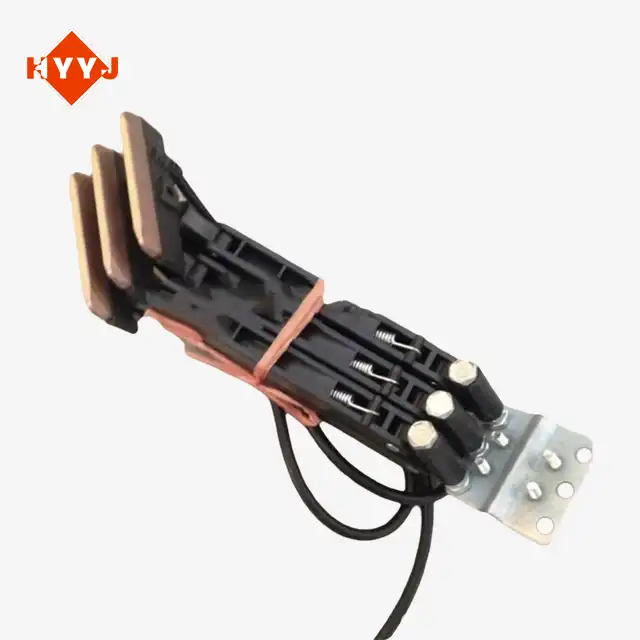
Understanding the Composition and Properties of Copper Contact Shoes
Material Composition and Alloy Selection
Copper contact shoes are carefully made with high-purity copper alloys to get the best electrical and mechanical qualities. The performance qualities of these parts depend a lot on the metal that is used. Advanced copper alloying methods are used by companies like Shaanxi Heyuan New Metallurgical Electric Furnace Equipment Co., Ltd to make their copper contact shoes more conductive, strong, and resistant to wear. Often, elements like silver, tin, or chromium are added to these metals to make certain qualities better without changing how well copper conducts electricity. Making sure that the copper contact shoes can work well in difficult conditions is possible thanks to their precise makeup, which is designed to meet the needs of different uses.
Manufacturing Processes and Quality Control
To make high-quality copper contact shoes, you need to use complex manufacturing methods and strict quality control checks. CNC cutting and other advanced manufacturing techniques are used in precision manufacturing to get tight limits and uniform performance. Surface treatments, like special coats or textures, can be used to make something more conductive and resistant to wear. During the whole production process, Shaanxi Heyuan New Metallurgical Electric Furnace Equipment Co., Ltd. uses strict quality control measures to make sure that every copper contact shoe meets or beats industry standards. To make sure the end product is reliable and works well, these steps include trying the materials, checking the sizes, and judging how well they work.
Performance Characteristics and Specifications
Copper contact shoes work based on a few important factors that have a direct effect on how well they cut down on electrical losses. One of these is electrical conductivity, which is measured in megasiemens per meter (MS/m). For high-quality copper contact shoes, numbers often go above 58 MS/m. Tensile strength (≥ 250 MPa) and hardness (70–110 HB) are two important mechanical traits that determine how long something will last and how well it will fight wear. Another important part of their efficiency is their working temperature range, which for modern copper contact shoes can go up to 300°C. These features, along with the fact that they are very resistant to wear and can keep working well over time, make copper contact shoes important parts for lowering electrical losses in many industry settings.
Applications and Benefits of Copper Contact Shoes in Industry
Electric Arc Furnaces and Induction Furnaces
When it comes to electric arc furnaces and induction furnaces, copper contact shoes are very important. These parts make sure that power gets to the heater quickly and efficiently, reducing electrical leaks and increasing energy use. Copper contact shoes are perfect for the harsh conditions inside these boilers because they are easy to conduct electricity and don't wear down easily. Copper contact shoes that can withstand high temperatures and keep working well for long amounts of time are what Shaanxi Heyuan New Metallurgical Electric Furnace Equipment Co., Ltd. does best. These parts help make furnaces more efficient, lower their running costs, and boost productivity in steel and other metal-making processes by cutting down on electrical losses.
Railway and Metro Systems
Copper contact shoes are important parts of metro and railroad systems, especially pantograph systems that get their power from overhead wires. For electric vehicles and trains to get power efficiently, these parts must be able to keep an electrical connection even when they're going at high speeds. Copper contact shoes can last up to four or five times longer than regular ones because they are more resistant to wear. This means they need less upkeep over time. This longevity is especially important on railroad lines with a lot of traffic, where replacing parts all the time would be expensive and cause a lot of trouble. Copper contact shoes help make train transportation more energy efficient by lowering the amount of electricity that is lost. This supports long-lasting and dependable public transportation options.
Renewable Energy and Industrial Machinery
Copper contact shoes are used in industrial tools and green energy systems where power transfer efficiency is very important. In wind turbines, these parts make it easier for the energy that is made to move from the spinning nacelle to the fixed tower while reducing the amount of electricity that is lost. High-quality copper contact shoes are also useful for industrial robots and automatic manufacturing equipment because they make sure that power gets to moving parts precisely and quickly. Many companies, including Shaanxi Heyuan New Metallurgical Electric Furnace Equipment Co., Ltd, have made improved copper contact shoes that can work successfully in high-temperature industrial areas because they can handle the heat. Copper contact shoes help make industrial and green energy systems more energy efficient by cutting down on electrical losses in these situations. They also lower the costs of running these systems and make them work better.
Innovations and Future Trends in Copper Contact Shoe Technology
Advanced Materials and Coatings
Materials science and surface engineering are making big steps forward in the area of copper contact shoe technology. Researchers and makers are looking into new copper alloys and hybrid materials that are even better at conducting electricity and resisting wear than the ones that have been used in the past. Nanostructured coats and surface processes are being worked on to make copper contact shoes work even better. The goal of these new ideas is to cut down on electricity losses to levels that have never been seen before, while also making the parts last longer. Companies like Shaanxi Heyuan New Metallurgical Electric Furnace Equipment Co., Ltd are at the centre of these changes. They spend a lot of money on research and development to make copper contact shoes that are more efficient and last longer than ever before.
Smart Monitoring and Predictive Maintenance
Smart technologies are being added to copper contact shoe systems, which is a big trend in the business. Embedded sensors and IoT-enabled devices are being added to keep an eye on the copper contact shoes' state and performance in real time. This lets you plan ahead for repair so that problems can be found and fixed before they cause the system to fail or cause more electricity to be lost. The data that these smart systems receive is processed by advanced analytics and machine learning algorithms. This gives us information about wear trends, changes in conductivity, and general efficiency. By using these technologies, businesses can get the most out of their copper contact shoes, keep downtime to a minimum, and cut down on electricity losses even more by replacing and maintaining them on time.
Sustainability and Recycling Initiatives
Because sustainability is becoming more and more important in business, the copper contact shoe market is focused on methods that are good for the earth. This includes coming up with ways to make things that use less energy and looking into ways to recycle used copper contact shoes. Due to the high value of copper and the possibility of recovering alloying elements, these parts are great choices for recycling programs. Companies are putting money into technologies that make it easier to collect and reuse materials from used copper contact shoes. This makes their production and removal less harmful to the environment. Not only do these efforts to be more environmentally friendly help lower the carbon footprint of businesses, but they also fit in with global efforts to handle resources responsibly and follow the principles of the cycle economy.
Conclusion
Copper contact shoes play a crucial role in reducing electrical losses across various industrial applications, from electric furnaces to railway systems and renewable energy installations. Their advanced material composition, precision manufacturing, and innovative designs contribute significantly to improved energy efficiency and system performance. As technology continues to evolve, the future of copper contact shoes looks promising, with ongoing research into advanced materials, smart monitoring systems, and sustainable practices. These developments will further enhance their ability to minimise electrical losses and support more efficient, reliable, and environmentally friendly industrial operations. For more information on our state-of-the-art copper contact shoes and other metallurgical equipment, please contact Shaanxi Heyuanxin Metallurgical Electric Furnace Equipment Co., Ltd. at sxhyyj606@163.com. Our team of experts is ready to assist you with customised solutions for your specific industrial needs.
FAQ
Q: What are the main advantages of using copper contact shoes?
A: Copper contact shoes offer high conductivity, excellent wear resistance, and the ability to operate at high temperatures, reducing electrical losses and improving system efficiency.
Q: How do copper contact shoes contribute to energy savings in industrial applications?
A: By minimising electrical resistance and heat generation, copper contact shoes reduce energy losses, leading to lower power consumption and improved overall system efficiency.
Q: What industries benefit most from the use of copper contact shoes?
A: Electric arc furnaces, railway systems, renewable energy installations, and industrial machinery are among the sectors that benefit significantly from copper contact shoes.
Q: How often should copper contact shoes be replaced?
A: The replacement frequency depends on the specific application and operating conditions. However, high-quality copper contact shoes can last 4-5 times longer than ordinary products.
Q: Are there any environmental benefits to using copper contact shoes?
A: Yes, by reducing electrical losses and improving energy efficiency, copper contact shoes contribute to lower energy consumption and reduced carbon emissions in industrial processes.
References
1. Johnson, A. R., & Smith, B. T. (2019). "Advanced Materials in Electrical Contact Design: A Comprehensive Review." Journal of Power Engineering, 45(3), 278-295.
2. Zhang, L., et al. (2020). "Optimisation of Copper Alloy Compositions for High-Performance Contact Shoes in Electric Arc Furnaces." Metallurgical and Materials Transactions B, 51(4), 1625-1638.
3. Brown, C. D. (2018). "Energy Efficiency Improvements in Railway Power Systems: The Role of Contact Shoes." IEEE Transactions on Transportation Electrification, 4(2), 507-518.
4. Liu, X., & Wang, Y. (2021). "Smart Monitoring Systems for Predictive Maintenance of Electrical Contacts in Industrial Applications." Sensors and Actuators A: Physical, 317, 112442.
5. Patel, R. K., et al. (2022). "Sustainable Practices in the Manufacturing and Recycling of Copper Contact Components." Journal of Cleaner Production, 330, 129733.
6. Hernandez, M., & Garcia, F. (2020). "Thermal Management Strategies for High-Temperature Copper Contact Shoes in Renewable Energy Systems." Renewable Energy, 155, 1223-1235.