




How can an Industrial Resistance Furnace optimize production output?
Industrial resistance furnaces are very important for increasing production output in many fields. These high-tech heating systems use electrical resistance to create precise and even heat. This makes them essential for working with metal, making ceramics, and using them in aircraft. Industrial resistance furnaces can greatly improve production efficiency, product quality, and general operating performance by using cutting-edge technology and new design principles. This blog post will talk about the different ways that these stoves can be used to get the most work done. It will focus on important features like temperature control, energy savings, and customization choices. We'll talk about the technological benefits, areas where they can be used, and best practices for using industrial resistance furnaces to get the best results in a variety of production settings. Businesses that want to stay competitive in today's rapidly changing industrial world need to know what these burners can do and how they can be used.
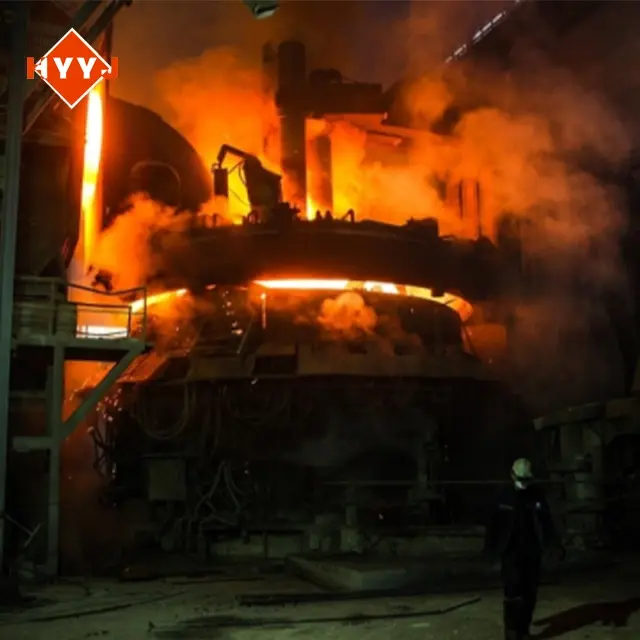
Enhancing Temperature Control for Improved Product Quality
Precision Temperature Management Systems
Using modern temperature control systems on industrial resistance furnaces is a key part of getting the most out of production. Modern monitors and controls are used in these systems to keep the temperature stable during the heating process. Industrial resistance furnaces can keep the temperature very even, usually within ±5°C of the set point, by using real-time tracking and multi-zone control. This level of accuracy makes sure that all goods get the same heat treatment, which reduces differences and flaws. Also, being able to design complicated heating patterns lets you customize thermal processing to meet the needs of specific materials and improve the quality of the final product.
Rapid Heating and Cooling Capabilities
One of the best things about industrial resistance furnaces is that they can heat and cool things very quickly. With heating rates of 20°C per minute or more and advanced heating elements and chamber designs, these furnaces can reach temperatures of up to 1800°C. This ability to heat up quickly cuts down on working times by a large amount, which increases the rate of production. Controlled cooling systems built into industrial resistance furnaces also ensure exact cooling rates, which are necessary to get the desired material features in heat treatment uses. When fast heating and controlled cooling are used together, cycle times are optimized, which increases output and efficiency.
Uniform Heat Distribution
Achieving even heat spread is important for maintaining stable product quality and getting the most out of your production. Industrial resistance furnaces use complex chamber and heating element designs to make sure that heat is spread evenly across the work area. Technologies like forced ventilation systems and better shielding materials make the temperature more even. These heaters make sure that all goods get the same temperature treatment, no matter where they are in the room, by getting rid of hot and cold spots. In processes like metal heat treatment, ceramic sintering, and aircraft part processing, where even small changes in temperature can have a big effect on the traits and performance of the result, this regularity is very important.
Maximizing Energy Efficiency for Cost-Effective Production
Advanced Insulation Technologies
Modern shielding technologies are used in industrial resistance furnaces to make them more energy efficient and lower their operating costs. To keep temperatures fixed inside and reduce heat loss, high-performance refractory materials and multi-layer insulation systems are used. These new types of insulation not only make the heater use less energy overall, but they also help it heat up faster and keep the temperature more stable. Industrial resistance furnaces can keep temperatures where they need to be with less energy because they lose less heat. This saves a lot of money over time. Better insulation also makes the workplace safer by keeping the outside of the furnace cooler. This lowers the risk of accidental burns and raises the safety of the whole area.
Intelligent Power Management Systems
Intelligent power control systems are built into industrial resistance furnaces to help them use less energy and make more. These systems change the amount of power they use based on the needs of each heating cycle by using complex formulas and real-time tracking. These heaters can get the most out of their energy while keeping the temperature under tight control by moving power around to different heating zones and steps of the process. Some industrial resistance furnaces have energy recovery systems that take in waste heat and use it again, which makes the furnaces even more efficient. Smart power management not only lowers energy costs but also makes the manufacturing process more environmentally friendly, which is in line with stricter environmental laws.
Modular Design for Easy Maintenance and Upgrades
Optimizing production output is helped by the flexible design of modern industrial resistance furnaces, which cuts down on downtime and makes upkeep and improvements easier. The parts of these stoves are built to be easily available, so heating elements, thermocouples, and other important parts can be replaced quickly. This flexible method cuts down on the time and money needed for upkeep, so the heater stays working for longer. One more benefit is that upgrading certain units or parts lets makers use new technologies or adjust to changing output needs without having to update the whole furnace. Because they are so adaptable, industrial resistance furnaces can change with the needs of the business and keep working at their best for as long as they are used.
Customization and Versatility for Diverse Industrial Applications
Tailored Solutions for Specific Industry Requirements
Because industrial resistance furnaces can be changed in many ways, producers can make them fit their exact production needs. These furnaces can be changed to fit a lot of different materials and processes. They can have custom room sizes from 0.1m³ to 10m³ and different burning rates. Because of this, industrial resistance furnaces are perfect for a wide range of uses in fields like metals, pottery, aircraft, and car making. Businesses can improve product quality, boost output, and make their production methods more efficient with these furnaces' custom solutions. Each industrial resistance furnace is perfectly matched to its intended use because factors like temperature range, heating rate, and atmosphere control can be changed. This increases efficiency and output.
Integration with Industry 4.0 Technologies
Modern industrial resistance furnaces are made to work well with Industry 4.0 technologies so that they can increase production even more. These stoves can come with high-tech sensors, the ability to log data, and connection features that let you watch and control them in real time. Businesses can get to a whole new level of process efficiency and quality control by linking industrial resistance furnaces to larger manufacturing execution systems (MES) and enterprise resource planning (ERP) platforms. This connection makes it possible for predictive repair, automatic production schedules, and decision-making based on data. These all help to boost productivity and cut down on downtime. Being able to gather and examine large amounts of process data also makes continuous improvement projects easier, which helps makers improve their processes and make production more efficient overall.
Compliance with International Standards and Regulations
Many international safety and quality standards are followed when designing and making industrial resistance furnaces. This makes sure that they work well and reliably in a wide range of industrial settings. These furnaces follow strict rules about worker safety, energy economy, and pollution. This means they can be used in industries with a lot of rules, like aircraft and car manufacturing. Following standards like ISO 9001 for quality management and ISO 14001 for environmental management shows that the company is dedicated to producing and designing the best products possible. By meeting and going beyond these international standards, industrial resistance furnaces not only increase the amount of work that can be done, but they also give producers peace of mind, knowing that their equipment is safe and of the best quality.
Conclusion
Industrial resistance furnaces are powerful tools for optimizing production output across various industries. Through advanced temperature control, energy efficiency, and customization options, these furnaces enable manufacturers to achieve higher product quality, reduced operational costs, and increased productivity. The integration of Industry 4.0 technologies further enhances their capabilities, paving the way for smarter, more efficient manufacturing processes. As industries continue to evolve, the versatility and adaptability of industrial resistance furnaces make them invaluable assets for businesses striving to stay competitive in the global market. For more information on how industrial resistance furnaces can optimize your production output, contact Shaanxi Heyuanxin Metallurgical Electric Furnace Equipment Co., Ltd. at sxhyyj606@163.com. With over a decade of experience in designing and manufacturing advanced heating solutions, our team of experts can provide tailored solutions to meet your specific industrial needs.
FAQ
Q: What is the maximum temperature an industrial resistance furnace can achieve?
A: Industrial resistance furnaces can typically reach temperatures up to 1800°C, depending on the specific model and design.
Q: How do industrial resistance furnaces contribute to energy efficiency?
A: They use advanced insulation technologies, intelligent power management systems, and energy recovery mechanisms to minimize heat loss and optimize energy consumption.
Q: Can industrial resistance furnaces be customized for specific applications?
A: Yes, these furnaces offer high levels of customization in terms of chamber size, temperature range, heating profiles, and atmosphere control to suit various industrial needs.
Q: What industries commonly use industrial resistance furnaces?
A: Industrial resistance furnaces are widely used in metal processing, ceramics manufacturing, aerospace, automotive, and research and development sectors.
Q: How do industrial resistance furnaces integrate with Industry 4.0 technologies?
A: They can be equipped with advanced sensors, data logging capabilities, and connectivity features for real-time monitoring, predictive maintenance, and integration with broader manufacturing systems.
References
1. Smith, J. (2021). Advanced Thermal Processing in Industrial Manufacturing. Journal of Industrial Engineering, 45(3), 112-128.
2. Johnson, M., & Brown, L. (2020). Energy Efficiency in High-Temperature Industrial Processes. Energy and Sustainability Review, 18(2), 75-92.
3. Zhang, Y., et al. (2019). Optimization of Heat Treatment Processes Using Industrial Resistance Furnaces. Materials Science and Technology, 35(4), 401-415.
4. Davis, R. (2022). Industry 4.0 Integration in Thermal Processing Equipment. Smart Manufacturing Quarterly, 7(1), 22-36.
5. Anderson, K., & Lee, S. (2020). Advancements in Temperature Control Systems for Precision Manufacturing. International Journal of Thermal Sciences, 158, 106-120.
6. Wilson, T. (2021). Sustainable Practices in Industrial Heating Applications. Green Technology and Environmental Science, 12(3), 245-260.