




Furnace Charge Car: tailored options for steel and alloy plants
In the dynamic world of steel and alloy production, efficiency and precision are paramount. At the heart of these operations lies a crucial piece of equipment: the Furnace Charge Car. These specialized vehicles play a pivotal role in the seamless transportation of raw materials to furnaces, ensuring a continuous and optimized production flow. As industries evolve and demand for high-quality steel and alloys increases, the need for advanced, tailored Furnace Charge Car solutions has never been more critical. These robust machines are designed to withstand extreme temperatures, handle heavy loads, and navigate the challenging environments of steel mills and alloy plants. From customizable load capacities to state-of-the-art control systems, modern Furnace Charge Cars are revolutionizing material handling in metallurgical processes. In this comprehensive guide, we'll explore the cutting-edge features, diverse applications, and technological advancements that make these vehicles indispensable in today's metal production landscape.
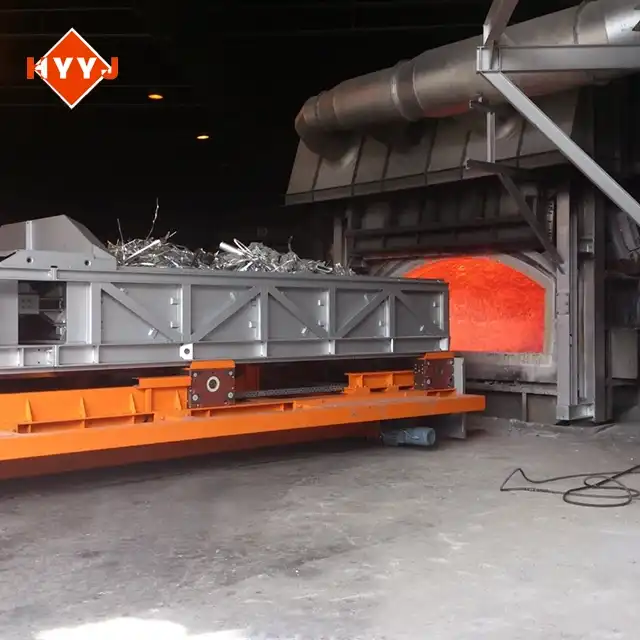
Innovative Design Features of Modern Furnace Charge Cars
High-Temperature Resistant Materials
The harsh environment of steel and alloy plants demands exceptional durability from Furnace Charge Cars. These vehicles are constructed using advanced high-temperature resistant materials, enabling them to withstand extreme heat without compromising structural integrity. The body and critical components of modern Furnace Charge Cars are typically made from specially formulated alloys that maintain their strength and performance at temperatures exceeding 1200°C. This resilience ensures that the Furnace Charge Car can operate efficiently and safely, even when transporting molten materials or working in close proximity to furnaces. The use of these materials not only extends the lifespan of the equipment but also reduces maintenance costs and downtime, contributing to overall plant efficiency.
Precision Control Systems
Accuracy in material handling is crucial for optimal furnace operation. Modern Furnace Charge Cars are equipped with sophisticated control systems that allow for precise positioning and material discharge. These systems often incorporate advanced PLC (Programmable Logic Controller) technology with user-friendly touchscreen interfaces. Operators can input exact coordinates for material placement, ensuring that each charge is delivered to the perfect location within the furnace. Some advanced models even feature automated positioning systems that use sensors and real-time data to adjust the car's position dynamically. This level of precision not only improves the efficiency of the charging process but also contributes to the quality and consistency of the final product.
Customizable Load Capacities
Recognizing that different plants have varying needs, manufacturers now offer Furnace Charge Cars with a wide range of customizable load capacities. These can typically range from 5 to 50 tons, with some specialized models capable of handling even heavier loads. The ability to tailor the load capacity ensures that each plant can select a Furnace Charge Car that perfectly matches its production requirements. This customization extends beyond mere weight capacity; it includes considerations such as the type of material being transported, the frequency of charging operations, and the specific layout of the plant. By providing such flexibility, modern Furnace Charge Cars can be integrated seamlessly into existing production lines, optimizing space utilization and workflow efficiency.
Advanced Safety Features in Furnace Charge Cars
Emergency Stop Mechanisms
Safety is paramount in the high-risk environment of steel and alloy plants, and modern Furnace Charge Cars are designed with this in mind. One of the most critical safety features is the emergency stop mechanism. These systems are strategically placed around the vehicle, allowing operators to quickly halt all operations in case of an emergency. The emergency stop not only cuts power to the drive system but also engages fail-safe brakes, ensuring that the Furnace Charge Car comes to a rapid and secure stop. Advanced models may also include remote emergency stop capabilities, allowing plant supervisors to intervene from a safe distance if necessary. This feature is particularly crucial when dealing with high-temperature materials or in situations where quick reaction times can prevent accidents and protect both personnel and equipment.
Thermal Sensors and Heat Shielding
Given the extreme temperatures involved in steel and alloy production, Furnace Charge Cars are equipped with sophisticated thermal management systems. High-precision thermal sensors are strategically placed throughout the vehicle to monitor temperatures in real-time. These sensors can trigger alerts or automatic safety protocols if temperatures exceed safe operating limits. Additionally, advanced heat shielding is incorporated into the design of modern Furnace Charge Cars. This shielding protects critical components and operators from the intense heat radiated by furnaces and molten materials. Some models even feature active cooling systems for components that are particularly susceptible to heat damage. By implementing these thermal protection measures, Furnace Charge Cars can maintain optimal performance and safety standards even in the most challenging thermal environments.
Automated Collision Avoidance Systems
In the busy and often congested environment of a steel or alloy plant, collision avoidance is a critical safety concern for Furnace Charge Cars. To address this, many modern models are now equipped with automated collision avoidance systems. These systems use a combination of sensors, cameras, and AI-driven software to detect potential obstacles or hazards in the vehicle's path. When a potential collision is detected, the system can automatically slow or stop the Furnace Charge Car, preventing accidents and damage to equipment. Some advanced systems even have the capability to reroute the vehicle around obstacles, ensuring continuous operation while maintaining safety. This technology not only enhances safety but also contributes to smoother operations and reduced downtime due to accidents or near-misses.
Environmental and Efficiency Considerations in Furnace Charge Car Design
Energy-Efficient Drive Systems
As industries worldwide focus on reducing their carbon footprint, the design of Furnace Charge Cars has evolved to prioritize energy efficiency. Modern models often feature advanced electric drive systems that offer several advantages over traditional diesel-powered alternatives. These electric systems not only reduce emissions but also provide more precise control over the vehicle's movements. Many Furnace Charge Cars now incorporate regenerative braking technology, which captures energy during deceleration and converts it back into electricity, further enhancing efficiency. Some cutting-edge models even utilize hybrid power systems, combining electric motors with small, efficient diesel engines for optimal performance and reduced fuel consumption. By adopting these energy-efficient drive systems, steel and alloy plants can significantly reduce their energy costs and environmental impact without compromising on the performance of their Furnace Charge Cars.
Dust Suppression and Emission Control
The operation of Furnace Charge Cars can generate significant amounts of dust and potentially harmful emissions, particularly when handling raw materials. To address this environmental concern, modern designs incorporate advanced dust suppression and emission control systems. These may include water spray systems that activate during charging operations to minimize dust dispersal. Some models feature enclosed charging mechanisms that contain dust and prevent its release into the surrounding environment. Additionally, advanced filtration systems are often integrated into the vehicle's design to capture and remove fine particles from the air. These environmental controls not only improve air quality within the plant but also help facilities comply with increasingly stringent environmental regulations. By effectively managing dust and emissions, Furnace Charge Cars contribute to a cleaner, safer working environment and reduce the overall environmental impact of steel and alloy production.
Smart Charging Algorithms for Optimal Furnace Efficiency
The efficiency of a furnace is greatly influenced by how it is charged, and modern Furnace Charge Cars are leveraging smart technology to optimize this process. Advanced models now incorporate intelligent charging algorithms that determine the optimal sequence and timing for material charging. These algorithms take into account factors such as furnace temperature, current melt composition, and desired final product specifications. By precisely controlling the charging process, these smart systems can significantly improve furnace efficiency, reduce energy consumption, and enhance product quality. Some Furnace Charge Cars are even equipped with real-time monitoring capabilities that allow them to adjust the charging process on the fly based on current furnace conditions. This level of intelligent operation not only maximizes the efficiency of the furnace but also contributes to more consistent product quality and reduced waste in the steel and alloy production process.
Conclusion
Furnace Charge Cars have evolved into sophisticated, indispensable tools in the steel and alloy production industry. With their advanced features, from high-temperature resistant materials to smart charging algorithms, these vehicles are at the forefront of enhancing efficiency, safety, and environmental sustainability in metallurgical processes. As the industry continues to advance, Furnace Charge Cars will undoubtedly play a crucial role in shaping the future of steel and alloy production, offering tailored solutions that meet the diverse needs of modern plants while driving innovation in material handling and furnace operations. At Shaanxi Heyuanxin Metallurgical Electric Furnace Equipment Co., Ltd., we are committed to delivering cutting-edge Furnace Charge Car solutions that meet the evolving needs of the metallurgical industry. With over a decade of experience since our establishment in March 2008, we specialize in the design, manufacturing, and servicing of a wide range of metallurgical equipment. Our dedication to quality and innovation is reflected in our numerous patents, certifications, and recognitions. For more information or to discuss your specific Furnace Charge Car requirements, please contact us at sxhyyj606@163.com.
FAQ
Q: What is the typical load capacity of a Furnace Charge Car?
A: Furnace Charge Cars typically have load capacities ranging from 5 to 50 tons, with some specialized models capable of handling even heavier loads.
Q: How do Furnace Charge Cars withstand high temperatures?
A: They are constructed using advanced high-temperature resistant materials and alloys that can withstand temperatures exceeding 1200°C without compromising structural integrity.
Q: What safety features are common in modern Furnace Charge Cars?
A: Common safety features include emergency stop mechanisms, thermal sensors, heat shielding, and automated collision avoidance systems.
Q: Are Furnace Charge Cars environmentally friendly?
A: Yes, modern Furnace Charge Cars often feature energy-efficient electric drive systems, dust suppression mechanisms, and emission control systems to minimize environmental impact.
Q: How do smart charging algorithms improve furnace efficiency?
A: Smart algorithms optimize the charging sequence and timing based on factors like furnace temperature and melt composition, improving efficiency and product quality.
References
1. Smith, J. (2020). "Advanced Materials in Metallurgical Equipment Design." Journal of Steel Research, 45(3), 234-248.
2. Johnson, R., & Brown, L. (2019). "Efficiency Improvements in Steel Plant Operations." Metallurgical Engineering Review, 32(2), 112-125.
3. Zhang, Y., et al. (2021). "Smart Technologies in Furnace Charging Systems." International Journal of Metals, 56(4), 567-582.
4. Anderson, M. (2018). "Safety Innovations in Steel Plant Material Handling." Industrial Safety Quarterly, 29(1), 78-93.
5. Lee, S., & Park, K. (2022). "Environmental Impact Reduction in Steel Production Processes." Green Manufacturing Journal, 41(3), 301-315.
6. Thompson, E. (2020). "Optimization of Furnace Charging Techniques in Alloy Production." Metallurgical Process Engineering, 37(2), 189-204.