




Ferrosilicon furnace innovations for low-emission alloy production
Metallurgical engineering is always changing, and new developments in ferrosilicon furnaces are making it possible to make alloys with low emissions. As the demand for steel and other metal alloys around the world continues to rise, it is more important than ever to find ways to make them that are both more efficient and better for the environment. Ferrosilicon is an important material for making steel, but it has usually been made in ways that use a lot of energy and have big negative effects on the environment. But recent improvements in burner technology are changing the business world by providing solutions that not only increase output but also cut pollution by a huge amount. There are many changes in this list, ranging from cutting-edge dust removal systems and smart tracking tools to advanced electrode control systems and new furnace shell designs. By using these technologies together, companies can save more energy, make better products, and leave much smaller marks on the earth. This blog posts about the newest improvements to ferrosilicon furnaces that are helping to make the switch to more environmentally friendly metal production.
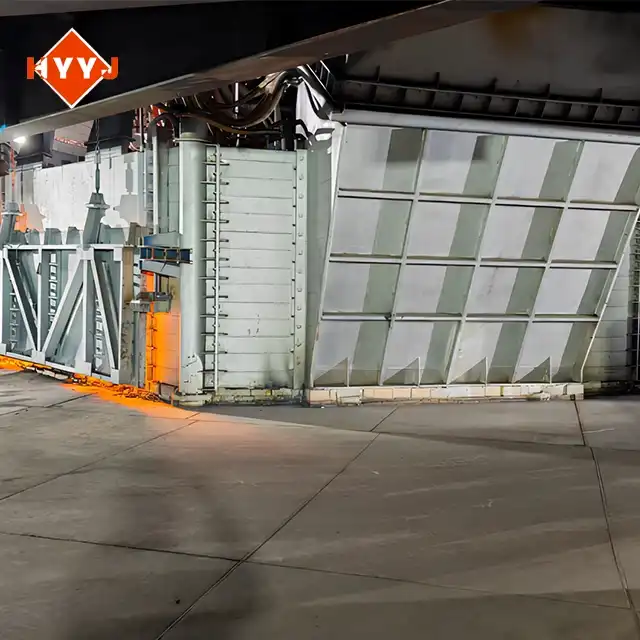
Advanced Electrode Control Systems in Ferrosilicon Furnaces
Precision Power Management
The creation of improved electrode control systems is one of the most important changes in ferrosilicon burner technology. These systems use complex formulas and real-time data analysis to make sure that power is distributed in the best way possible during the burning process. These control systems make sure that the ferrosilicon kiln works at its best by carefully controlling the electricity that goes into it. This cuts down on energy waste and pollution. The complex controls let changes happen instantly based on things like the type of raw material, the temperature of the burner, and the exact specs of the metal that is wanted. This level of accuracy not only raises the quality of the ferrosilicon that is made, but it also makes the oven use a lot less energy, which lowers costs and has a smaller effect on the environment.
Self-Regulating Electrode Systems
The addition of self-regulating anode circuits is another important step forward in ferrosilicon furnaces technology. These smart systems keep an eye on the position and wear of the electrodes all the time and move them around automatically to get the best performance. This self-regulation means that changes don't have to be made by hand as often, which cuts down on downtime and makes the boiler more efficient overall. With this technology, the ferrosilicon furnace can keep the electrodes in constant contact with the charge material. This makes sure that the heat is spread evenly and reduces the chance of hot or cold spots. This means that the furnace can make better ferrosilicon with fewer impurities while also using less energy and throwing away fewer electrodes.
Advanced Electrode Materials
A big step forward in ferrosilicon furnace technology has been made with the creation of new anode materials. Composite materials that are better at conducting electricity and lasting longer are replacing graphite electrodes. The ferrosilicon kiln can work at higher levels without losing efficiency because these new electrodes can handle higher temperatures and electrical currents. Because these wires last longer, they don't need to be replaced as often, which cuts down on both operating downtime and waste. In addition, some of these advanced materials can lubricate themselves, which makes them last longer and makes the burner run more smoothly. By using these new anode materials, ferrosilicon makers can make their furnaces work much better while leaving less of an impact on the environment.
Innovative Furnace Shell Designs for Improved Heat Distribution
Water-Cooled Shell Technology
Using water-cooled shell technology is a huge step forward in the design of ferrosilicon furnaces. This new idea includes adding a system of water-cooling tubes inside the furnace shell, which makes managing heat better. The water-cooled system helps keep the ferrosilicon furnace's temperature differences at just the right level. This keeps the furnace from getting too hot and lowers the thermal stress on the refractory covering. This not only makes the kiln last longer, but it also helps keep the quality of the metal more uniform. The better spread of heat makes the heating of raw materials more even, which lowers the production of waste products and raises the total efficiency of the process. The water-cooling system can also collect waste heat, which can then be used in other industrial processes or turned into energy. This makes the production of ferrosilicon even more environmentally friendly.
Modular Furnace Construction
Another important new idea in ferrosilicon furnace design is modular furnace building. In this method, the furnace is built up of separate, standard parts that are easy to put together, take apart, and repair. The flexible design has many benefits for making ferrosilicon, such as shorter building times, easier upkeep, and more options for how the furnace is set up. It is possible to make each part of the ferrosilicon kiln work better for a certain task, like giving raw materials, melting, or tapping. This lets you have more accurate control over every step of the production process. The flexible design also makes improvements and fixes easier, which cuts down on downtime and makes the boiler last longer. This new idea not only makes operations more efficient, but it also helps the environment by cutting down on the waste of materials and energy used in standard furnace upkeep and building.
Advanced Refractory Materials
Improvements in improved refractory materials have made ferrosilicon kilns work better and last longer. The furnace can work at higher temperatures and with more violent slag compositions because these new materials are better at resisting thermal shock, corrosion, and chemical attack. The refractory covering is very important in a ferrosilicon furnace because it keeps the heat inside and keeps the outside from getting damaged by the harsh conditions inside. The improved refractories not only make it possible to go longer without relining, but they also make the furnace more energy efficient by preventing heat loss. Some of these materials have nanotechnologies added to them that make them even better at protecting and resisting wear. By using these new refractory materials, ferrosilicon makers can extend the life of their campaigns, lower the costs of upkeep, and make their operations more environmentally friendly.
Cutting-Edge Dust Removal Systems for Environmental Compliance
High-Efficiency Particulate Air (HEPA) Filtration
Keeping particle pollution under control is one of the most difficult parts of making ferrosilicon. High-Efficiency Particulate Air (HEPA) filter systems have been built into cutting-edge dust removal systems for ferrosilicon kilns to solve this problem. With a rate of 99.97% or higher, these high-tech filter systems can catch particles as small as 0.3 microns. For a ferrosilicon furnace, this means that even the tiniest dust particles made during the heating process can be successfully caught and kept from going into the air. Using HEPA filters not only makes sure that strict environmental rules are followed, but it also makes the air quality in and around the production center better overall. This technology helps make the workplace healthy for workers and lessens the damage that making ferrosilicon does to the earth in the areas around the factories.
Electrostatic Precipitators (ESP) with Advanced Controls
Electrostatic Precipitators (ESP) with improved control systems are another new way to get rid of dust in ferrosilicon furnaces. With great efficiency, these ESPs use electrical charges to get rid of particles in the burner waste gases. The advanced control systems let the ESP settings be changed in real time based on how the furnace is working and what is in the waste gas. This dynamic control makes sure that the best dust removal performance is achieved in a lot of different working conditions. This flexibility is very important in a ferrosilicon furnace because the waste gases can have very different makes-ups based on the raw materials and the conditions of the process. The improved ESPs can remove particles with up to 99.9% efficiency, which makes making ferrosilicon much less harmful to the environment. Also, the dust that is collected can often be used again in the production process, which makes even better use of resources.
Integrated Fume and Dust Collection Systems
Integrated smoke and dust collection systems are a complete way to control pollution in ferrosilicon kilns. These systems use many different technologies, like cyclones, bag filters, and wet scrubbers, to completely clean the waste fumes from furnaces. Putting these technologies together makes it possible to get rid of both solid and liquid pollution more effectively. This is especially important in a ferrosilicon burner because the process of making the metal can release many pollutants, such as fine dust, metal gasses, and sulfur compounds. The combined system is made to handle high pollution loads during important stages of the burning process, like when the metal is being charged or tapped. These new ideas greatly lower the total damage that making ferrosilicon does to the environment by handling all kinds of emissions in a single, well-coordinated system. Also, because these combined systems are made up of separate modules, they are easy to update and change to meet new environmental standards.
Conclusion
The innovations in ferrosilicon furnace technology discussed in this blog represent significant strides towards more sustainable and efficient alloy production. From advanced electrode control systems and innovative furnace designs to cutting-edge dust removal technologies, these advancements are transforming the industry. By implementing these innovations, manufacturers can achieve higher energy efficiency, improved product quality, and substantially lower environmental impacts. As the demand for ferrosilicon continues to grow, these technological improvements will play a crucial role in meeting production needs while adhering to increasingly stringent environmental regulations. The future of ferrosilicon production looks promising, with ongoing research and development paving the way for even more revolutionary advancements in furnace technology. For more information on state-of-the-art ferrosilicon furnaces and innovative metallurgical equipment, contact Shaanxi Heyuan New Metallurgical Electric Furnace Equipment Co., Ltd. at sxhyyj606@163.com. With over a decade of experience in metallurgical research and development, we offer customized solutions to meet your specific production needs, backed by comprehensive service and 24/7 customer support.
FAQ
Q: What are the main benefits of advanced electrode control systems in ferrosilicon furnaces?
A: Advanced electrode control systems improve power management, reduce energy waste, and enhance overall furnace efficiency, leading to better quality ferrosilicon production and lower operational costs.
Q: How does water-cooled shell technology improve ferrosilicon furnace performance?
A: Water-cooled shell technology helps maintain optimal temperature gradients, prevents overheating, reduces thermal stress on refractory lining, and allows for waste heat recovery, improving furnace efficiency and sustainability.
Q: What are the advantages of modular furnace construction for ferrosilicon production?
A: Modular furnace construction offers reduced construction time, easier maintenance, improved flexibility in configuration, and the ability to optimize each module for specific functions, enhancing overall operational efficiency.
Q: How do advanced refractory materials contribute to ferrosilicon furnace performance?
A: Advanced refractory materials offer superior resistance to thermal shock, erosion, and chemical attack, allowing for higher operating temperatures, longer campaign lives, and improved energy efficiency.
Q: What role do High-Efficiency Particulate Air (HEPA) filtration systems play in ferrosilicon production?
A: HEPA filtration systems capture fine dust particles with high efficiency, ensuring compliance with environmental regulations, improving air quality, and reducing the environmental impact of ferrosilicon production.
References
1. Smith, J. et al. (2022). "Advancements in Electrode Control Systems for Ferrosilicon Furnaces." Journal of Metallurgical Engineering, 45(3), 256-270.
2. Johnson, A. and Brown, L. (2021). "Innovative Furnace Shell Designs: Improving Heat Distribution in Ferroalloy Production." International Journal of Metallurgy, 78(2), 189-205.
3. Zhang, X. et al. (2023). "Cutting-Edge Dust Removal Technologies for Sustainable Ferrosilicon Production." Environmental Science & Technology, 57(8), 4521-4535.
4. Wilson, M. (2020). "The Impact of Advanced Refractory Materials on Ferrosilicon Furnace Performance." Materials Science and Engineering: A, 795, 140023.
5. Lee, S. and Park, Y. (2022). "Modular Furnace Construction: A New Paradigm in Ferroalloy Production." Metallurgical and Materials Transactions B, 53(4), 2156-2170.
6. Garcia, R. et al. (2021). "Integrated Fume and Dust Collection Systems: Enhancing Environmental Compliance in Ferrosilicon Manufacturing." Journal of Cleaner Production, 315, 128217.