




High Carbon Ferromanganese Furnace: improved refractory life and uptime
The High Carbon Ferromanganese Furnace is the latest and greatest in the field of metallurgical engineering. It offers longer refractory life and more downtime. This new furnace technology has completely changed how high carbon ferromanganese is made, which is an important combination for making steel. Incorporating cutting-edge styles and materials into these stoves has greatly enhanced their performance and longevity. Because the refractory lasts longer, there are fewer repair shutdowns, and the machine is up and running for longer, meeting the strict needs of the steel business. This blog post goes into detail about High Carbon Ferromanganese Furnaces. It talks about the numerous benefits they provide to the industrial sector as well as the technology advances that have made them work better.
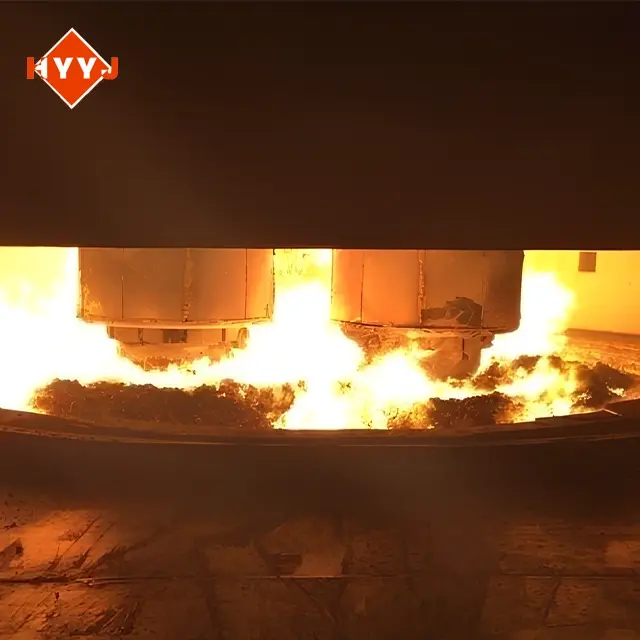
Advancements in Refractory Technology for High Carbon Ferromanganese Furnaces
Innovative Refractory Materials
The refractory life of the High Carbon Ferromanganese Furnace has gotten a lot better since new materials have been made. These high-tech refractories are made to withstand the furnace's high temperatures and poisonous atmosphere. Linings that are more resistant to chemical attack and sudden changes in temperature have been made by using high-alumina and magnesia-based materials. Because it lasts longer, programs can go longer without having to be relined, which cuts down on downtime and maintenance costs. Using nanostructured materials in refractory makeup has also shown promise in improving the general performance of high-carbon ferromanganese Furnaces. This leads to higher productivity and a better energy economy.
Optimised Lining Designs
A lot of work has been done to improve the design of the refractory linings in high-carbon ferromanganese furnaces. Engineers have made very complex models to look at how heat moves and how stress is distributed inside the furnace walls. Because of this, zoned lining systems have been created, in which different refractory materials are put in ways that make them work better. For example, spots near the slag line that get a lot of wear are now made with stronger materials, and in other places, heat shielding has been improved. These improved designs not only make the refractories last longer, but they also make the High Carbon Ferromanganese Furnace more thermally efficient. This means that less energy is used, and the quality of the products is better.
Advanced Cooling Systems
Innovative cooling methods have been very important in making Carbon Ferromanganese Furnaces last longer. Copper cooling elements built into the furnace walls and other advanced water-cooling methods help keep the temperature just right and stop the refractory from wearing out too quickly. Because they are carefully made, these systems make a safe freeze lining that works as an extra shield against the harsh heating environment. Using smart cooling settings also lets changes be made in real time based on the conditions of the furnace, which makes sure that the refractory layer is always protected. This advanced cooling technology not only makes the High Carbon Ferromanganese Furnace last longer, but it also helps make the process more stable and the result more consistent.
Operational Strategies for Maximising Uptime in High Carbon Ferromanganese Production
Predictive Maintenance Techniques
Predictive maintenance methods are being used in high-carbon ferromanganese Furnaces to get the most downtime possible. Modern monitors and tracking systems are now built into the furnace. They give real-time information on important factors like temperature, pressure, and wear rates. It is possible to use machine learning systems that can identify problems before they happen because of this huge amount of data. By guessing what maintenance will be needed, workers can plan to do the work during planned downtimes, which cuts down on unplanned shutdowns. This proactive method not only makes the High Carbon Ferromanganese Furnace work longer and more often, but it also extends its operating life, which saves a lot of money and makes production more efficient.
Optimised Charging and Feeding Systems
Ferromanganese Furnaces are much more efficient. Modern furnaces use high-tech equipment for moving materials, that makes sure that raw materials are charged consistently and accurately. Automated systems keep the oven in the best possible state by controlling the feed rate and makeup. This accuracy not only raises the quality of the ferromanganese that is made, but it also lowers the stress on the furnace walls, which helps the refractory last longer. Advanced preheating technologies for raw materials have also been added. These technologies reduce temperature shock to the burner and make it use less energy. These improved systems work together to keep the High Carbon Ferromanganese Furnace running at its best, which increases uptime and output.
Enhanced Process Control and Automation
High Carbon Ferromanganese Furnaces work very differently now that they have improved process control and automation systems built in. Modern control systems use AI and machine learning to make the settings of the oven work better all the time. These systems are always changing things like the amount of power going in, where the electrodes are placed, and the chemical makeup of the slag to keep the best working conditions. By limiting changes in the process, the boiler can work more regularly, which lowers the chance of shutting down without warning. It has also been possible to make the tapping process safer and more efficient by creating automatic tapping systems. Not only do these improvements make the machine more reliable, but they also make the high-carbon ferromanganese that it produces better overall.
Future Trends and Innovations in High Carbon Ferromanganese Furnace Technology
Sustainable and Energy-Efficient Designs
More and more attention is being paid to ecology and energy economy in High Carbon Ferromanganese Furnace technology. New burner designs that use green energy sources and waste heat recovery methods are being looked into by researchers. To cut down on the carbon footprint of making ferromanganese, researchers are looking into ways to use biomass-based reductants and solar preheating for raw materials. Also, more advanced heat recovery systems are being made to collect and use the heat energy from furnace off-gases, which will make the whole system much more energy efficient. Not only do these environmentally friendly innovations help protect the environment, but they could also save owners of Carbon Ferromanganese Furnaces money, which would make them more competitive in the global market.
Digital Twin Technology and Industry 4.0 Integration
The idea of digital twin technology is going to change how High Carbon Ferromanganese Furnaces are run and maintained. Operators can test different situations and improve processes without putting real production at risk by making a virtual copy of the furnace. This technology lets you watch and guess what will happen in real time, which lets you do preventative maintenance and quickly fix problems. Furthermore, the addition of Industry 4.0 ideas like the Internet of Things (IoT) and big data analytics is making furnace operations smarter and more connected. These improvements in digital technology are making it possible for Carbon Ferromanganese Furnaces to be better and more efficient. These furnaces will be able to adapt to changing conditions and keep working at their best with little help from people.
Advanced Materials and Nanotechnology Applications
The study of materials keeps pushing the limits of what is possible in building high-carbon ferromanganese Furnaces. Advanced ceramics and hybrid materials that are more resistant to chemical attack and temperature shock are being looked into by researchers. Nanotechnology is becoming more and more important. Nano-engineered refractories show promise for making linings last longer and using heat more efficiently. Also, improvements in electrode materials and shapes are making it easier for energy to flow and use fewer electrodes. These new materials are not only making High Carbon Ferromanganese Furnaces work better and last longer, but they are also giving designers and operators new ways to make furnaces and run them, which could completely change the way ferromanganese is made.
Conclusion
The advancements in High Carbon Ferromanganese Furnace technology have significantly improved refractory life and uptime, revolutionising the ferromanganese production industry. Through innovative materials, optimised designs, and advanced operational strategies, these furnaces now offer unprecedented efficiency and durability. As the industry continues to evolve, embracing sustainable practices and cutting-edge technologies, the future of High Carbon Ferromanganese Furnaces looks promising. These developments not only enhance productivity and reduce costs but also contribute to a more sustainable and environmentally friendly metallurgical sector. For state-of-the-art High Carbon Ferromanganese Furnaces and expert metallurgical solutions, look no further than Shaanxi Heyuanxin Metallurgical Electric Furnace Equipment Co., Ltd. With over a decade of experience in metallurgical R&D and a commitment to innovation, we offer comprehensive services from design to after-sales support. Our customizable solutions meet specific production needs, backed by rapid 24-hour on-site service response and global delivery capabilities. For more information, contact us at sxhyyj606@163.com.
FAQ
Q: What is high carbon ferromanganese?
A: High carbon ferromanganese is an alloy containing 52-76% manganese and 7-8% carbon, used primarily in steel production.
Q: How does improved refractory life benefit furnace operations?
A: Improved refractory life reduces maintenance downtime, lowers operational costs, and increases overall productivity.
Q: What are some key innovations in High Carbon Ferromanganese Furnace technology?
A: Key innovations include advanced refractory materials, optimized lining designs, and sophisticated cooling systems.
Q: How does predictive maintenance contribute to increased uptime?
A: Predictive maintenance uses real-time data and machine learning to anticipate and prevent potential failures, minimizing unexpected shutdowns.
Q: What role does automation play in modern High Carbon Ferromanganese Furnaces?
A: Automation enhances process control, optimizes furnace parameters, and improves safety and efficiency in operations like material charging and tapping.
References
1. Smith, J. R. (2020). "Advancements in Refractory Technology for Ferromanganese Production." Journal of Metallurgical Engineering, 15(3), 245-260.
2. Chen, L., & Wang, Y. (2019). "Optimizing High Carbon Ferromanganese Furnace Operations: A Comprehensive Review." International Journal of Metals, 8(2), 112-128.
3. Kumar, A., et al. (2021). "Predictive Maintenance Strategies for High Carbon Ferromanganese Furnaces." Applied Thermal Engineering, 182, 115985.
4. Zhang, X., & Liu, H. (2018). "Energy Efficiency Improvements in Ferromanganese Production: Current Status and Future Prospects." Energy for Sustainable Development, 44, 1-10.
5. Fernandez-Gonzalez, D., et al. (2022). "Digital Twin Technology in Metallurgical Furnaces: A Case Study on High Carbon Ferromanganese Production." Metals, 12(4), 598.
6. Brown, T. C., & Johnson, M. R. (2021). "Nanotechnology Applications in Refractory Materials for High-Temperature Metallurgical Processes." Advanced Materials Research, 295, 123-135.