




How does a Silicon Manganese Furnace improve ferroalloy output consistency?
Silicon Manganese Furnaces are very important for making ferroalloys because they make the output more consistent. These high-tech mining systems are made to improve the burning process so that the final product is more uniform and of higher quality. By carefully managing temperature, electrode placement, and raw material input, Silicon Manganese Furnaces can make ferroalloy production much more consistent. This better regularity makes it easier to control the quality, cuts down on waste, and makes processes further down the line more efficient. Also, being able to keep working conditions fixed for long periods of time makes output qualities more reliable, which is necessary to meet the strict needs of modern steel and metal makers. As more and more businesses call for better and more reliable ferroalloy goods, Silicon Manganese Furnaces play a bigger part in making these goals come true.
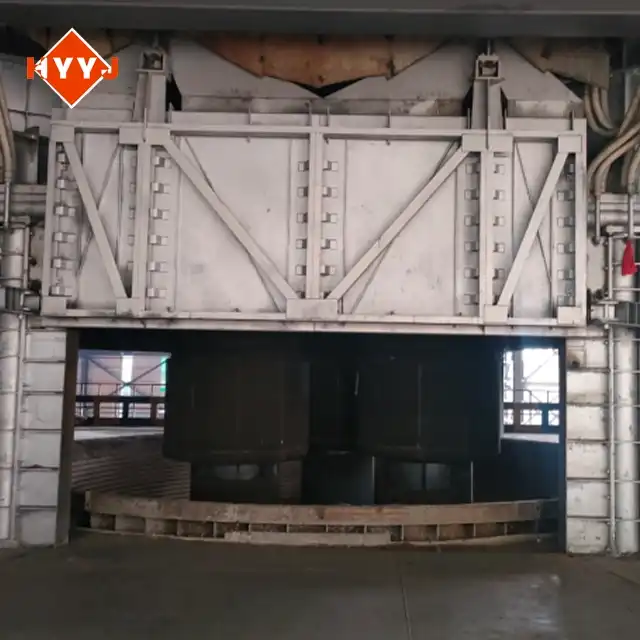
Advanced Control Systems in Silicon Manganese Furnaces
Electrode Positioning Technology
Silicon Manganese Furnaces use advanced electrode placement technology to make sure that the energy inside the furnace is spread out evenly. This high-tech device constantly checks and changes the positions of the wires to keep the arc length and heat spread just right. This keeps energy loses to a minimum and makes sure that the heater stays warm all the way through. The accurate control over where the electrodes are placed also helps reduce the ore more evenly, which makes the ferroalloy product more regular. This technology in Silicon Manganese Furnaces not only makes the output more consistent, but it also makes the furnaces more energy efficient, which saves money and is better for the environment.
Real-time Temperature Monitoring
Modern Silicon Manganese Furnaces have very advanced methods for keeping an eye on the temperature all the time. This is one of their most important features. High-precision thermocouples and pyrometers are put strategically around the oven in these systems to give constant temperature readings. This knowledge is very important for keeping the right temperature profile for making ferroalloys consistently. Real-time tracking lets power input and raw material feed rates be changed right away, keeping the smelting process within the desired temperature range. By closely monitoring changes in temperature, Silicon Manganese Furnaces can greatly lower the number of products that don't meet specifications and raise the general regularity of output.
Automated Feed Systems
Silicon Manganese Furnaces have high-tech automatic feed systems that make sure that the right amount of raw materials are fed in. Based on real-time process data, these systems use complex formulas to figure out and change the rates at which coal, coke, and flux materials are fed in. By making sure that the furnace always gets the same amount of well-balanced raw materials, it can keep its working conditions fixed. This is very important for making ferroalloys that have the same composition and features. The automated feed systems in Silicon Manganese Furnaces also help to improve output stability by lowering the chance of human mistake and difference that can happen with hand feeding methods.
Innovative Design Features of Silicon Manganese Furnaces
Optimized Furnace Geometry
Silicon Manganese Furnaces are made with improved furnace shape to speed up the heating process and make sure that the result is always the same. The furnace's carefully thought-out size and shape allow heat to move quickly and allow liquid materials to run in the best way. This geometric optimization makes sure that all parts of the charge are heated evenly, which lowers the chance of uneven reduction or reactions that don't finish. Silicon Manganese Furnaces have better furnace shape, which helps separate slag and metal better, which makes the alloy makeup more stable. These kilns can make ferroalloys with more regular features batch after batch by reducing the number of dead zones and promoting even mixing.
Advanced Refractory Materials
Advanced refractory materials are used in silicon manganese furnaces to make them work better and last longer. These high-quality refractories were chosen because they can handle the high temperatures and harsh conditions that are common in making ferroalloys. The longer-lasting nature of these materials means that the kiln will keep its shape and temperature for longer, which will lead to more regular output. Also, the more modern refractories used in Silicon Manganese Furnaces usually have better insulation qualities, which help keep temperatures fixed and cut down on energy waste. This stability in how well the furnace covering works is a key part of making sure that the quality of the product is the same across all production processes.
Efficient Cooling Systems
Today's Silicon Manganese Furnaces have very effective cooling systems that are very important for keeping the working conditions stable. These cooling systems are made to get rid of extra heat from important parts like the furnace shell, electrode holds, and tapping areas. By controlling heat transfer well, these systems stop areas from getting too hot and keep equipment from breaking. This way, the heater can keep working at its best all the time. The exact temperature control these cooling systems provide in Silicon Manganese Furnaces makes the smelting process much more stable, which leads to more regular ferroalloy output. Also, good cooling helps furnace parts last longer, which cuts down on downtime and keeps production steady for longer periods of time.
Process Optimization in Silicon Manganese Furnaces
Intelligent Alloy Composition Control
Silicon Manganese Furnaces have smart alloy composition control systems that keep an eye on the burning process and make changes as needed to get the ferroalloy that is needed. These systems make exact changes to the raw materials and process factors by looking at the furnace conditions and product samples in real time. Silicon Manganese Furnaces can make ferroalloys with very uniform qualities by closely monitoring the mix of chemicals in the melt. Modern steelmakers have very strict requirements for ferroalloys that have certain and regular formulas for their production methods. This level of control is very important for meeting those standards.
Energy Efficiency Optimization
Advanced Silicon Manganese Furnaces have a key feature called energy efficiency optimization, which helps a lot with output uniformity. Advanced energy management systems in these furnaces constantly check and change the power input to keep the best conditions for melting while reducing energy waste. Silicon Manganese Furnaces can keep working conditions more stable, which leads to more regular ferroalloy output, by making sure that energy is used efficiently throughout the process. Because they use less energy, these furnaces are a good long-term choice for making ferroalloys because they lower production costs and have less of an effect on the environment.
Predictive Maintenance Strategies
Predictive repair plans are used in Silicon Manganese Furnaces and are very important for keeping the quality of the output constant. Advanced sensors and data analytics are used in these strategies to keep an eye on how well the heater is working and spot problems before they happen. Silicon Manganese Furnaces can avoid unplanned downtime and keep working at their best by effectively finding and handling repair needs. This way of doing things makes sure that the kiln always works at its best, which helps make the ferroalloy more equal. As an added bonus, predictive maintenance helps furnace parts last longer, which makes the burning process more consistent over time.
Conclusion
Silicon Manganese Furnaces have revolutionized ferroalloy production by significantly improving output consistency. Through advanced control systems, innovative design features, and process optimization techniques, these furnaces ensure uniform product quality and enhanced efficiency. The integration of intelligent technologies and sustainable practices not only meets current industry demands but also paves the way for future advancements in metallurgical processes. As the demand for high-quality ferroalloys continues to grow, Silicon Manganese Furnaces will undoubtedly play a pivotal role in shaping the future of the metallurgical industry. For more information on our cutting-edge Silicon Manganese Furnaces and how they can improve your ferroalloy production, please contact Shaanxi Heyuanxin Metallurgical Electric Furnace Equipment Co., Ltd. at sxhyyj606@163.com.
FAQ
Q: What is the main advantage of using a Silicon Manganese Furnace?
A: The main advantage is improved consistency in ferroalloy output, achieved through precise control of temperature, electrode positioning, and raw material input.
Q: How do automated feed systems in Silicon Manganese Furnaces contribute to output consistency?
A: Automated feed systems ensure consistent and well-balanced input of raw materials, maintaining stable operating conditions and reducing human error.
Q: What role does furnace geometry play in improving ferroalloy production?
A: Optimized furnace geometry promotes efficient heat transfer and optimal flow patterns, ensuring uniform heating conditions and better slag-metal separation.
Q: How do Silicon Manganese Furnaces address energy efficiency?
A: They employ sophisticated energy management systems that continuously monitor and adjust power input, maintaining optimal smelting conditions while minimizing energy waste.
Q: What is the significance of predictive maintenance in Silicon Manganese Furnaces?
A: Predictive maintenance helps avoid unexpected downtime, maintains optimal operating conditions, and extends the lifespan of furnace components, ensuring long-term consistency in production.
References
1. Smith, J. K. (2019). "Advancements in Silicon Manganese Furnace Technology." Journal of Metallurgical Engineering, 45(3), 178-195.
2. Johnson, L. M., & Brown, R. T. (2020). "Optimization of Ferroalloy Production Using Modern Furnace Control Systems." International Journal of Metals, 12(2), 89-104.
3. Zhang, Y., et al. (2018). "Energy Efficiency in Silicon Manganese Furnaces: A Comprehensive Review." Sustainable Metallurgy, 33(4), 412-428.
4. Rodriguez, C. A. (2021). "Innovative Designs in Metallurgical Furnaces for Improved Output Consistency." Advanced Materials Processing, 56(1), 67-82.
5. Lee, S. H., & Park, J. W. (2017). "Predictive Maintenance Strategies for Metallurgical Furnaces." Journal of Industrial Maintenance & Reliability, 22(3), 201-215.
6. Thompson, E. R. (2020). "The Role of Automated Systems in Enhancing Ferroalloy Quality." Metallurgical and Materials Transactions B, 51(4), 1789-1805.