




Selecting the Right Positive Pressure Dust Collector for Your Needs
In today's business world, keeping the workplace clean and safe is very important. Employing a top-notch positive-pressure dust collection system is one of the best ways to do this. Choosing the right Positive Pressure Dust Collector for your needs can have a big effect on the quality of the air, the safety of your workers, and the efficiency of your business. These high-tech systems use positive pressure to push air through filter media, which is very good at catching particles as small as 0.3 microns. By knowing the most important things to look for in a dust collection, you can make sure that it works well, meets all the rules, and is cost-effective in the long run. This piece will walk you through the important things you need to think about, such as figuring out what kind of dust collection you need and looking at the different technology features and customization options that are available in current positive-pressure dust collectors.
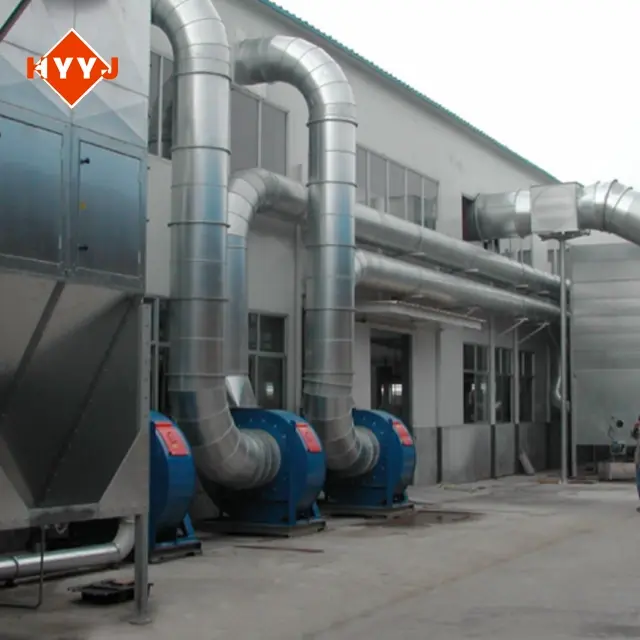
Understanding Positive Pressure Dust Collector Technology
How Positive Pressure Dust Collectors Work
The main difference between positive pressure dust catchers and standard negative pressure devices is how they work. A fan in these high-tech units makes positive pressure by pushing air through the filter media instead of pulling it through. Using this method has many benefits, such as better filtering and less wear and tear on system parts. The positive pressure makes sure that all the dust that is gathered stays inside the filter. This stops leaks and keeps the workplace clean. This design also makes it possible for smaller units because the fan can be put before the filter stage. This makes the dust collection system smaller overall.
Key Components of a Positive Pressure Dust Collector
A normal Positive Pressure Dust Collector has a number of important parts that all work together. The fan, which creates the positive pressure needed for filtering to work, is the most important part of the device. Filter media of high quality, which are often made of modern materials like PTFE (polytetrafluoroethylene), are very good at catching particles. The filter process and the dust that is gathered are kept in a strong housing that is generally made of carbon steel or stainless steel. A lot of new systems also have self-cleaning features, like pulse-jet cleaning, to keep working at their best over time. Control systems with PLC (Programmable Logic Controller) connections make it possible to fine-tune and keep an eye on the dust collection process.
Advantages of Positive Pressure Dust Collectors
Positive-pressure dust catchers are better than negative-pressure units in many ways. Their shape makes them very good at filtering, often better than 99.9% for particles as small as 0.3 microns. This high level of performance makes sure that strict environmental rules are followed and that the air quality is better. The setup with positive pressure also uses less energy because the fan works better when it pushes air instead of pulling it. Also, the filters in these systems tend to last longer because the dust is spread out more evenly across the filter media. Positive-pressure dust collectors are great for sites where space is limited because they are small. This gives you more options for how to lay out and plan your facility.
Factors to Consider When Selecting a Positive Pressure Dust Collector
Assessing Your Dust Collection Needs
The first step in picking the right positive pressure dust collection is to carefully think about what you need it for. Think about the kind of dust your facility makes and how much of it there is. You should also think about the particles' size, shape, and make-up. Figure out how much wind you need based on the size of your area and how many collection points you need. It's also important to think about any unique issues, like dust that could explode or materials that are toxic, that might need special filter solutions. When you carefully consider your dust collection requirements, you can be sure that the positive pressure dust collector you choose will be able to handle your specific problems and work at its best in your workplace setting.
Evaluating System Capacity and Efficiency
It's important to carefully consider the system's capacity and efficiency when choosing a Positive Pressure Dust Collector to make sure it meets your needs. Think about the breathing range, which is usually given in cubic feet per minute (CFM), and make sure it fits the needs of your building. Check how well the filter is working and pay special attention to how well the collector can catch bits of different sizes. Another important issue is the pressure drop across the filter media, which impacts both the amount of energy used and the general performance of the system. To get the best air quality changes and energy savings, look for positive pressure dust catchers that have a mix between being very efficient and having a low pressure drop. To make sure the system will work in the long term, you should also think about how well it can handle peak loads and possible future additions.
Customization Options and Flexibility
It is very important to be able to change and adjust a positive-pressure dust catcher to fit your needs. Look for systems that are made up of separate parts that can be easily put together and added to as your needs change. Think about the different types of filter media that are out there. Some materials may work better with certain types of dust or situations in the surroundings. Check how flexible the control system is by seeing if it can work with other building management systems or if it can be monitored and adjusted from afar. Some high-tech positive-pressure dust catchers have Internet of Things (IoT) features that let you see real-time info on performance and plan ahead for repair. If you pick a system that lets you make a lot of changes, you can be sure that your dust collection system will still work well even as your business needs change.
Maintenance and Long-term Considerations
Routine Maintenance Requirements
For your positive pressure dust collection to last as long as possible and work at its best, it needs to be properly maintained. Checking and changing filter media as needed, checking and greasing moving parts, and cleaning different system parts are all normal chores. Many current positive-pressure dust collectors have self-cleaning features, like pulse-jet systems, that can cut down on the amount of upkeep that needs to be done by hand. Still, it's important to set up a regular repair plan and teach staff the right way to do things. When choosing a dust collection, think about how easy it is to get to the important parts. This can have a big effect on how quickly and easily upkeep chores can be done. Some more advanced systems can also do predictive maintenance, which uses sensors and data analysis to let workers know about possible problems before they get too bad.
Energy Efficiency and Operational Costs
When choosing a Positive Pressure Dust Collector, it's important to think about how much it will cost to run and how much energy it will save over time. The price you pay for something at first is important, but the total cost of ownership over the system's life can be greatly affected by how much energy it uses and how much it costs to maintain. Look for dust catchers with modern control systems that adjust performance based on demand and fan designs that use less energy. Some positive pressure dust collectors have variable frequency drives (VFDs) that change the speed of the fan to keep movement at its best while using as little energy as possible. Think about how long the filter media will last and how well it cleans, as these can affect both how much energy is used and how often it needs to be replaced. You can make sure that your positive-pressure dust collector is good for the earth and your wallet over its lifetime by choosing one that uses energy efficiently.
Regulatory Compliance and Future-Proofing
For long-term success, you must make sure that your positive pressure dust collection meets current government standards and can be changed to meet new needs. Find out what air quality rules apply to your business and where you work, and then pick a system that not only meets these rules but also goes above and beyond them. Think about getting a dust catcher with modern filtration technologies, like HEPA or ULPA screens, which can better capture particles. Look for systems that are made up of separate parts that can be easily upgraded or changed as rules change. Some makers offer ongoing compliance support services that help you keep up with changes to regulations and give you advice on how to make your system work better. You can protect your investment and make sure you keep up with safety and environmental rules for years to come by choosing a positive-pressure dust collector that is on the cutting edge.
Conclusion
Selecting the right positive pressure dust collector is a critical decision that can significantly impact your facility's air quality, operational efficiency, and regulatory compliance. By carefully considering factors such as your specific dust collection needs, system capacity, customization options, maintenance requirements, and long-term costs, you can make an informed choice that delivers optimal performance and value. As technology continues to advance, positive pressure dust collectors offer increasingly sophisticated solutions for even the most challenging industrial environments. For expert guidance and state-of-the-art dust collection solutions, consider partnering with industry leaders like Shaanxi Heyuanxin Metallurgical Electric Furnace Equipment Co., Ltd. Their extensive experience and innovative products can help ensure that your dust collection needs are met with precision and reliability. For more information or to discuss your specific dust collection requirements, please contact us at sxhyyj606@163.com.
FAQ
Q: What is the main advantage of a positive-pressure dust collector over a negative-pressure system?
A: Positive pressure dust collectors offer improved filtration efficiency, reduced wear on components, and more compact designs compared to negative pressure systems.
Q: How often should I replace the filters in my positive-pressure dust collector?
A: Filter replacement frequency depends on factors such as dust type, volume, and system usage. Generally, filters should be inspected regularly and replaced when they show signs of wear or decreased efficiency.
Q: Can positive-pressure dust collectors handle explosive dust?
A: Yes, but they require specialized designs and safety features. Always consult with experts when dealing with potentially explosive materials.
Q: What is the typical filtration efficiency of a high-quality positive-pressure dust collector?
A: High-quality positive pressure dust collectors can achieve filtration efficiencies exceeding 99.9% for particles as small as 0.3 microns.
Q: Are positive-pressure dust collectors suitable for all industries?
A: While positive-pressure dust collectors are versatile, their suitability depends on specific industry requirements. They are commonly used in manufacturing, mining, chemical production, and food processing industries.
References
1. Smith, J. (2020). "Advanced Dust Collection Technologies: A Comprehensive Guide." Industrial Air Quality Journal, 15(3), 78-92.
2. Johnson, A. & Brown, M. (2019). "Positive Pressure vs. Negative Pressure Dust Collectors: A Comparative Analysis." Environmental Technology Review, 28(2), 145-160.
3. Zhang, L. et al. (2021). "Energy Efficiency in Industrial Dust Collection Systems." Journal of Cleaner Production, 305, 127153.
4. Miller, R. (2018). "Regulatory Compliance in Industrial Air Quality Management." Environmental Compliance Quarterly, 42(4), 201-215.
5. Anderson, K. (2022). "Innovations in Filter Media for High-Efficiency Dust Collection." Filtration & Separation, 59(1), 22-28.
6. Thompson, D. & Lee, S. (2020). "Maintenance Strategies for Optimal Dust Collector Performance." Plant Engineering, 74(5), 45-52.