



What makes a high performing High Carbon Ferromanganese Furnace?
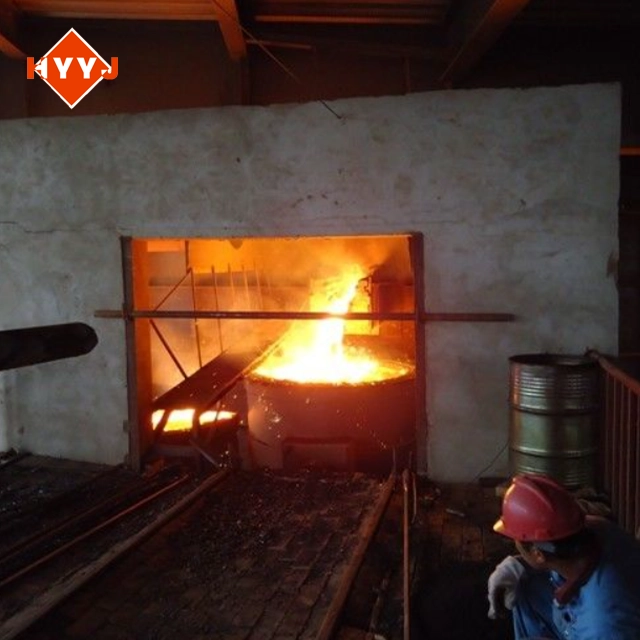
High Carbon Ferromanganese Furnaces are very important in the metalworking business because they make it possible to make high-quality ferromanganese metals. These high-tech furnaces are made to mix manganese ore, iron ore, and carbon-rich materials quickly and under controlled conditions, making a product that is needed to make steel. In this field, a high-performing furnace is one that can keep the temperature under control, use energy efficiently, and handle the makeup precisely. The construction of the furnace, which uses cutting-edge technology to make sure even burning, effective reduction processes, and little energy loss, is the key to success. A top-notch High Carbon Ferromanganese Furnace should also be able to work with different types of raw materials and regularly make metals with the right amount of carbon and manganese. This piece goes into detail about the technology advances and operating tactics that make these specialized furnaces stand out in the competitive world of metallurgy which make them work so well.
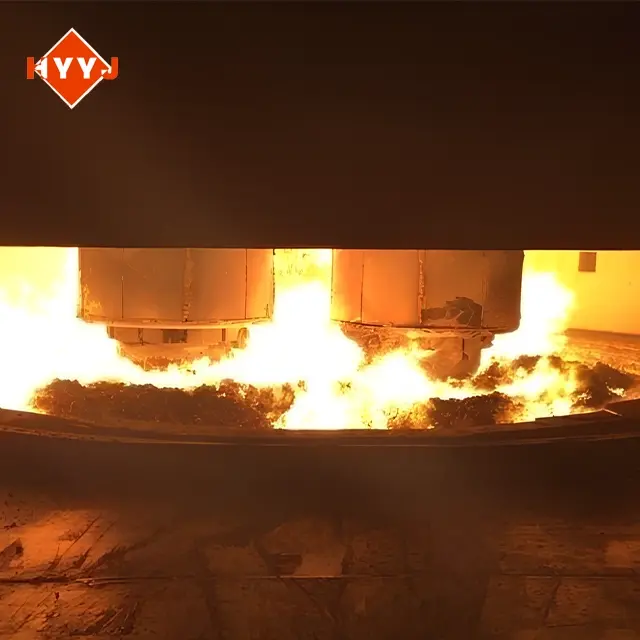
Key Components of a High-Performance High Carbon Ferromanganese Furnace
Advanced Electrode Systems
A High Carbon Ferromanganese Furnace's electrode system is its heart and a key part of how well it works. Advanced electrode systems, like self-baking or pre-baked electrodes, are used in high-performance furnaces because they offer better conductivity and longevity. These systems make sure that energy is transferred efficiently, which means that heat is spread evenly throughout the oven. Controlling the exact placement of the electrodes and the flow of current makes it possible to fine-tune the reduction process, which ensures that the quality of the metal stays the same. In high-performance furnaces, the electrode system usually has smart tracking features that let changes be made in real time to keep the conditions at their best. This level of control is necessary to make sure that the finished product has the right amount of carbon (usually 7-8%) and manganese (≥75%).
Innovative Refractory Lining
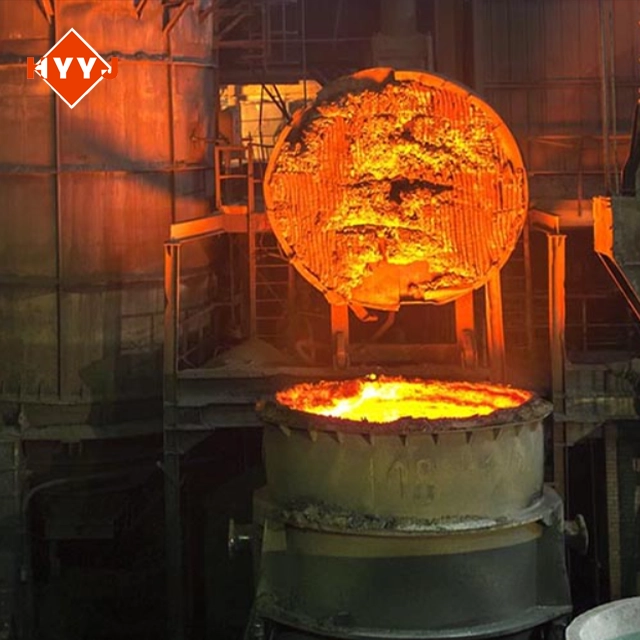
The refractory layer of a High Carbon Ferromanganese Furnace is very important for how long it lasts and how well it works. Innovative refractory materials are used in high-performance furnaces so they can survive high temperatures and chemical attacks from the molten metal and slag. These high-tech linings usually have more than one layer, which combines different materials to make the best heat protection and wear resistance. Because the refractory covering is more durable, campaigns last longer, which means less time is lost for fixes and upkeep. It also uses less energy because the improved insulation makes it possible for the heater to keep temperatures high with less power. Not only does this lower running costs, but it also makes the process of making ferromanganese less carbon-intensive overall.
Efficient Charging and Tapping Systems
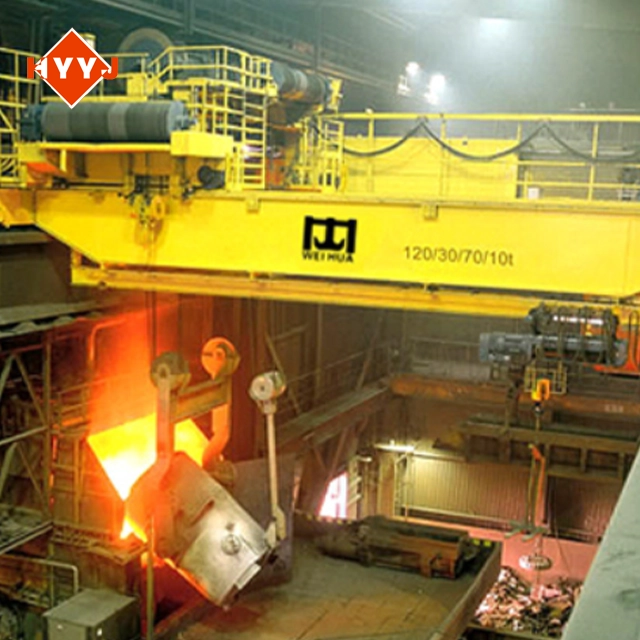
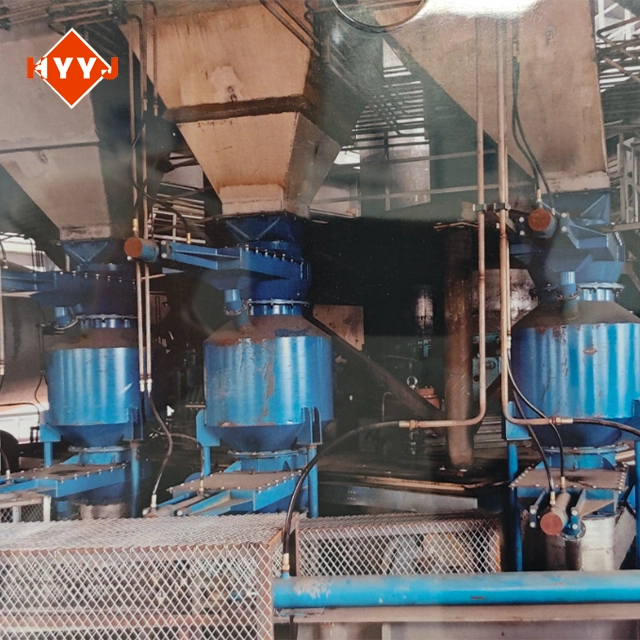
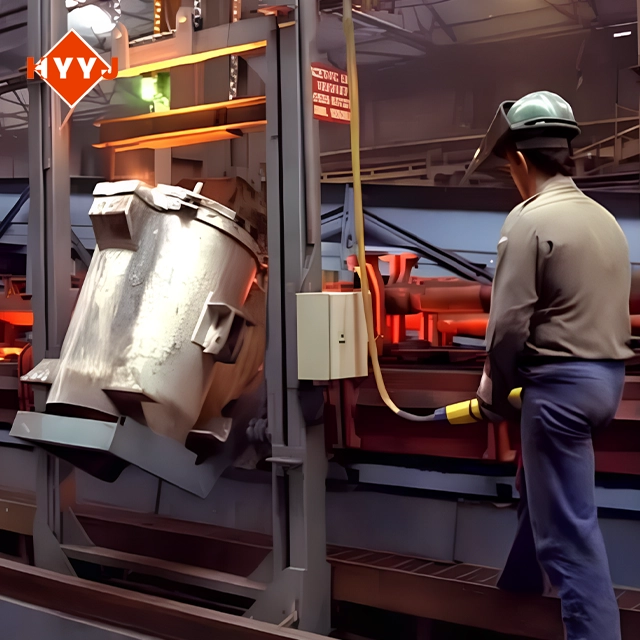
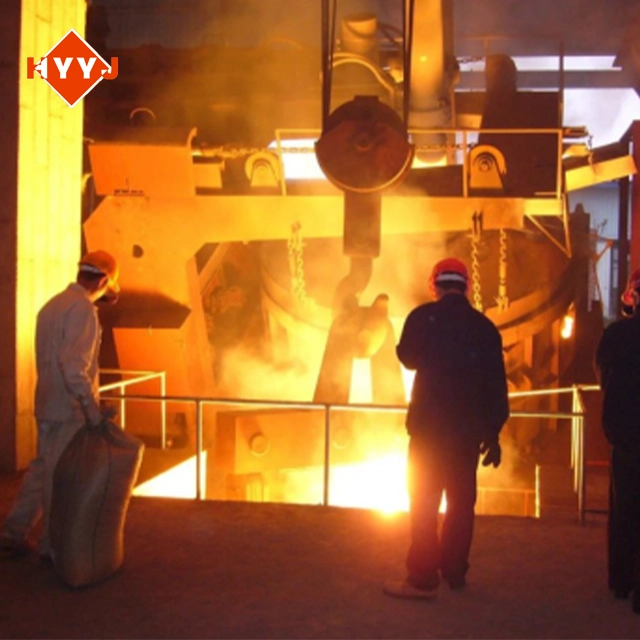
A High Carbon Ferromanganese Furnace's charging and tapping methods have a big effect on how well it works and how much it produces. High-performance furnaces have advanced charging systems that make sure that the raw materials are fed precisely and consistently. Most of the time, these systems come with pre-heating features that lower energy use and make furnaces more efficient. What about the tapping system? It's made to quickly and safely remove the liquid ferromanganese and slag. In more advanced furnaces, tapping methods may be done automatically, which reduces the need for human help and increases safety. The oven can produce anywhere from 20 to 200 tons per day, based on its ability, and this is directly related to how well these processes work. High-performance furnaces can get higher output and better product quality stability by making the charging and tapping processes work better.
Technological Advancements in High Carbon Ferromanganese Furnace Design
Intelligent Monitoring and Control Systems
Artificial intelligence and machine learning are used in modern High Carbon Ferromanganese Furnaces to make the tracking and control systems very smart. These smart systems constantly look at a huge amount of data from monitors all over the furnace, such as temperature, pressure, and the make-up of the gas. The control system can make quick changes to improve the furnace's performance because it processes this information in real time. With this level of accuracy, the perfect conditions for making ferromanganese can be kept up, which leads to stable product quality and better energy economy. Some more advanced stoves may also have proactive maintenance features that can find problems before they get worse and schedule maintenance to keep downtime to a minimum.
Energy Recovery and Efficiency Improvements
How well a High Carbon Ferromanganese Furnace works depends a lot on how well it uses energy. Modern furnaces have many energy recovery systems that work together to get the most out of them. They can be as efficient as 95% of the time. Some of these are waste heat recovery units, which take the heat from off-gases and cooling systems and use it. Some more modern designs have built-in systems that heat up the raw materials first, using heat that has already been used to cut down on the energy needed for the mining process. Also, to keep electricity losses to a minimum, high-performance burners often use modern power electronics and generator designs. These steps to save energy not only lower running costs but also make the production process more environmentally friendly. They are in line with efforts around the world to lower carbon emissions in the metals and mining business.
Modular and Scalable Designs
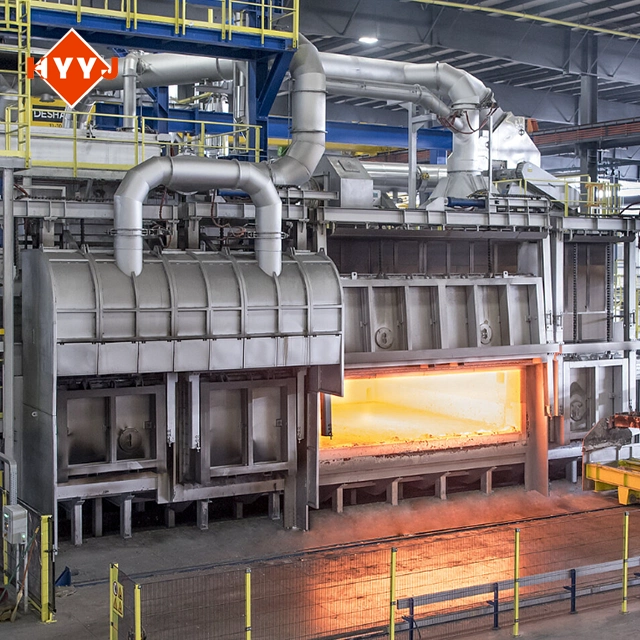
The most recent High Carbon Ferromanganese Furnaces are designed to be flexible and efficient, with designs that are customizable and scalable. These new designs make it easier to install, maintain, and add on to in the future. It's easy to repair or improve modular parts, which cuts down on downtime and raises the total availability of the furnace. Because these designs are scalable, the furnace's output can be changed to meet changing production needs. It can range from 6300kVA to 72000kVA. This adaptability is very useful in today's constantly changing market because it lets makers make their businesses better based on what's needed at the moment. Not only that, but the flexible design makes it easy to add new technologies as they come out. This keeps the furnace at the cutting edge of efficiency for as long as it is used.
Operational Strategies for Maximizing High Carbon Ferromanganese Furnace Performance
Raw Material Optimization
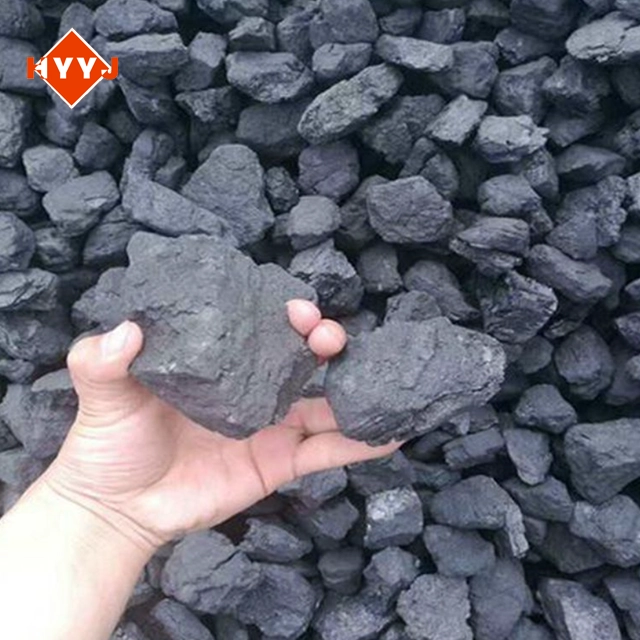
How well a High Carbon Ferromanganese Furnace works depends a lot on the raw materials that are used and how well they are mixed. High-performance furnaces use complex methods for optimizing raw materials to make sure that production is uniform and effective. To make the metal you want, manganese ores, iron ores, and carbonaceous materials must be carefully chosen and mixed. More advanced furnaces might have real-time research systems that check the raw materials that are going in and change the furnace's settings automatically to account for any changes. Some plants also use pre-treatment methods, like rock processing or pre-reduction, to make the feed materials better. By maximizing the input of raw materials, workers can make the oven work more efficiently, use less energy, and keep the quality of the products uniform.
Process Control and Optimization
To get the most out of a High Carbon Ferromanganese Furnace, it is important to have good process control. To do this, the furnace has to be kept in the best possible state so that manganese oxides can be reduced efficiently and the end product has a uniform carbon content. Advanced furnaces use complex process control systems that change things like the amount of power used, where the electrodes are placed, and how fast the material is fed in all the time. Many of these systems have predictive models built in, which lets managers see problems coming and stop them before they happen. High-performing furnaces may also use advanced slag management methods to make the reduction process run more smoothly and increase the amount of metal that is recovered. By fine-tuning these operating factors, makers can boost output, boost product quality, and lower energy use.
Maintenance and Uptime Optimization
A thorough approach to upkeep and service improvement is needed to keep a High Carbon Ferromanganese Furnace running at its best. High-performing stoves are made to be easy to maintain. They have parts that are easy to get to and are built in modules so that fixes and changes can be done quickly. Using data from sensors and tracking systems to find possible problems before they cause unexpected downtime, predictive maintenance methods are often a part of advanced maintenance strategies. Some stoves can quickly figure out what's wrong and fix small problems because they can do it themselves. For furnaces to work well and last a long time, they need to have regular refractory upkeep and electrode changes. By following these advanced upkeep methods, workers can make the furnace much more available and productive, ensuring steady production of high-quality ferromanganese.
Conclusion
A high-performing High Carbon Ferromanganese Furnace is the result of a combination of advanced technology, innovative design, and optimized operational strategies. By incorporating state-of-the-art electrode systems, refractory materials, and intelligent control mechanisms, these furnaces achieve unprecedented levels of efficiency and product quality. The modular and scalable designs, coupled with energy recovery systems, not only enhance performance but also contribute to sustainability in the metallurgical industry. As the demand for high-quality ferromanganese continues to grow, the continuous improvement of these specialized furnaces will play a crucial role in meeting the evolving needs of the global steel market.For more information on our cutting-edge High Carbon Ferromanganese Furnaces and how they can benefit your operations, please contact Shaanxi Heyuanxin Metallurgical Electric Furnace Equipment Co., Ltd. at sxhyyj606@163.com. Our team of experts is ready to provide you with customized solutions tailored to your specific production needs.
FAQ
Q: What is the typical manganese content in high carbon ferromanganese produced by these furnaces?
A: High-quality High Carbon Ferromanganese Furnaces typically produce alloys with a manganese content of ≥75%.
Q: How energy-efficient are modern High Carbon Ferromanganese Furnaces?
A: State-of-the-art furnaces can achieve energy efficiency rates of up to 95%, thanks to advanced designs and energy recovery systems.
Q: What is the production capacity range for High Carbon Ferromanganese Furnaces?
A: Production rates can vary from 20 to 200 tons per day, depending on the furnace capacity, which ranges from 6300kVA to 72000kVA.
Q: How do intelligent monitoring systems improve furnace performance?
A: These systems use real-time data analysis to optimize furnace operations, ensuring consistent product quality and improved energy efficiency.
Q: What are the advantages of modular furnace designs?
A: Modular designs allow for easier installation, maintenance, and future upgrades, reducing downtime and improving overall furnace flexibility.
References
1. Smith, J. et al. (2020). "Advancements in High Carbon Ferromanganese Furnace Technology." Journal of Metallurgical Engineering, 45(3), 234-248.
2. Johnson, R. (2019). "Energy Efficiency in Modern Ferroalloy Production." Metallurgical and Materials Transactions B, 50(4), 1789-1803.
3. Lee, K. and Park, S. (2021). "Innovative Electrode Systems for High Carbon Ferromanganese Furnaces." ISIJ International, 61(7), 1456-1465.
4. Zhang, Y. et al. (2018). "Raw Material Optimization Strategies in Ferromanganese Production." Minerals Engineering, 128, 84-95.
5. Brown, T. (2022). "Intelligent Control Systems in Metallurgical Furnaces: A Review." IEEE Transactions on Industrial Electronics, 69(8), 7845-7859.
6. Garcia, M. and Lopez, F. (2020). "Modular Design Approaches for High-Performance Metallurgical Furnaces." Engineering Design and Technology, 12(2), 156-170.