




Positive Pressure Dust Collector: Ideal for Sensitive Environments
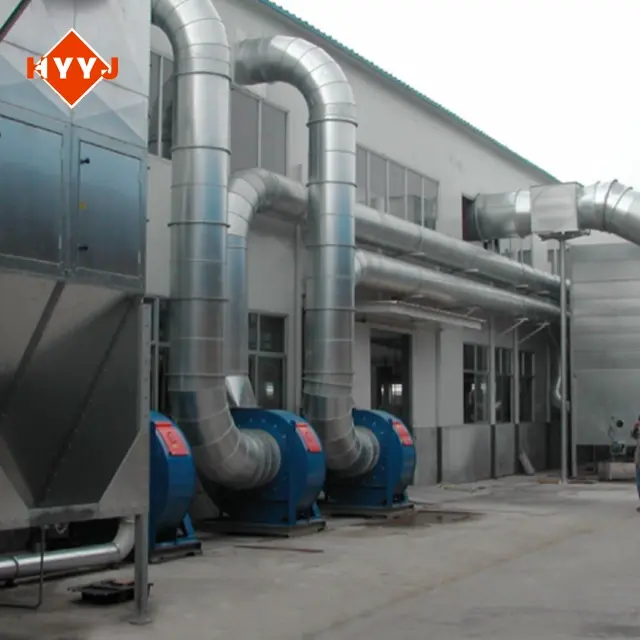
It's very important to keep offices clean and safe in today's business world. The Positive Pressure Dust Collector is a new way to clean up large amounts of dust in sensitive places. The way these current units work is different from older ones because they use positive pressure to move air through filter media. It can pick up things that are as little as 0.3 microns across. This new idea not only makes the air better, but it also lowers the costs of running the business by making collection work better and the filters last longer. These systems are made to meet the strictest legal standards while also making the workplace better and safer. They can move 1,000 to 100,000 CFM of air and drop the pressure by 1 to 6 inches w.g. Positive pressure dust catchers are the newest and best way to deal with dust. They are strong and made of carbon steel or stainless steel. Inside, there is PTFE membrane filter media.
The Science Behind Positive Pressure Dust Collection
Principles of Positive Pressure Filtration
There is a big difference between positive pressure dust traps and regular negative pressure systems in how they work. It works like this: A fan is put on top of the filter unit and moves dirty air through the filter media. This makes a positive pressure state in the collection, which is helpful in many ways. The positive pressure stops dust from leaving the system through small gaps or seals. This makes it better at gathering dust. This set-up also lets the design be smaller because the fan can be put into the storage box. When it's important to keep the air clean, the Positive Pressure Dust Collector's unique way of moving and cleaning air makes it work better.
Advanced Filtration Media Technology
Any Positive Pressure Dust Collector works because of its filter media. High-tech parts like PTFE (polytetrafluoroethylene) screens are used in modern systems. These screens clean well while still letting a lot of air flow through them. Particles as small as a few microns can get caught by these special filter media. This makes them perfect for places that need to be careful because even the smallest contaminants can be dangerous. If the PTFE membrane doesn't stick to anything, it's easy to clean and the filter will last longer, which will save you money on maintenance and running costs. Positive pressure and these high-performance filter media work together to make dust catchers that filter very well without changing how well the system works or how much energy it uses.
Energy Efficiency and System Optimization
A great thing about Positive Pressure Dust Collectors is that they don't use a lot of power. The fan is put before the filter media, so these systems can work with less pressure drop than negative pressure systems. It will use less energy and cost less to run in the long run. Many new Positive Pressure Dust Collectors also have smart control systems that watch different parts of the system and make changes as needed to make sure they work best. There are smart choices that can quickly change the fan speed, cleaning methods, and pressure differences. This makes sure that the system always works at its best, no matter what. A dust collection system was made that not only makes the air cleaner but also helps save energy and protect the environment.
Applications and Benefits in Sensitive Environments
Clean Room and Pharmaceutical Manufacturing
It's not enough to just keep the air clean when you're making drugs and keeping places clean; you have to. In these kinds of places, Positive Pressure Dust Collectors work great because they can pick up very small bits that could make people sick. Even if there are small holes, clean air will still move out of the system instead of in. Because it is made with positive pressure, this is the case. When making drugs, this is very important because even small pieces can lose their quality and safety. A building can meet and go beyond strict government rules, like ISO scores for clean rooms, by adding a Positive Pressure Dust Collector. The process is also faster, which makes the quality of the end product more stable.
Electronics and Semiconductor Production
The places where people work in the chip and tech businesses need to be very clean so that they can do good work. Positive Pressure Dust Collectors are crucial in these locations because they remove microscopic dust particles that could harm delicate workplace processes. Because the filter media in these systems are better, they can catch bits that are smaller than the parts on computers today. This keeps mistakes from happening and makes work go faster. The design that uses positive pressure also helps keep the air inside the building clean. This makes it less likely that pollution will happen at different steps of production. If technology companies use Positive Pressure Dust Collectors to clean the air, their products will last longer, they will waste less, and they will make more money over time.
Food and Beverage Processing
In the food and drink business, it's important to keep things clean and avoid getting things from one area to another. Use of Positive Pressure Dust Collectors is the best way to deal with moving particles in these important work areas. Most of the things in the air can be taken out by high-efficiency screens in these systems. This keeps food safe and tasty. Outside pollutants are also kept out by the positive pressure device, which also helps keep the air clean. This helps in places where many things are made because it makes it less likely that they will get mixed up. Companies that make food and drinks can better follow food safety rules, make their products better, and protect their customers and brand image when they use Positive Pressure Dust Collectors.
Maintenance and Long-Term Performance
Self-Cleaning Mechanisms and Filter Longevity
You can clean Positive Pressure Dust Collectors yourself these days, which is one of the best things about them. To get rid of dust that has built up on the filter media, people who use these systems often use reverse air flow or pulse-jet cleaning. The filters and airflow stay in good shape and last a lot longer because they clean themselves. These features that clean themselves cut down on the number of times that filters need to be changed by hand. This saves time and money on maintenance. For longer filter life, the positive pressure design of a Positive Pressure Dust Collector spreads the dust load more evenly across the filter surface. This even spread keeps dust from building up in some places, which could cause screens on older systems to break down too soon.
Predictive Maintenance and IoT Integration
The way Positive Pressure Dust Collectors are cared for has changed a lot since the Internet of Things (IoT) was added. Some important things that are always being checked in modern systems are the pressure drop, the airflow rates, and the state of the filters. So that problems can be found before they happen, this data is sent right away to computers in the cloud. They can get to this data from afar, which helps them keep the system in good shape and make the most of it. When IoT is used, upkeep can be planned ahead of time. This keeps the costs of the dust collection system as low as possible and cuts down on shutdowns that happen out of the blue. These smart solutions can help your Positive Pressure Dust Collectors work better and last longer.
Regulatory Compliance and Documentation
In places where safety is important, it's important to follow the rules when you use dust collection. There are a lot of rules that Positive Pressure Dust Collectors have to follow, and most of the time, they go even further. There are many systems that come with tracking and reporting tools that do all the work for you when it comes to legal checks. It's possible that there are records of how the system works, jobs that need to be done. This also makes it easier to make sure that the rules are being followed, since dust leaks are less likely to happen, which is against the rules. Small companies can show they care about worker and environmental safety by choosing a Positive Pressure Dust Collector with strong compliance features. These features will make following the rules easier and lower the risk of getting fined.
Conclusion
Positive Pressure Dust Collectors represent a significant advancement in air quality management for sensitive environments. Their innovative design, coupled with cutting-edge filtration technology and smart features, offers unparalleled performance in capturing even the finest particles. From clean rooms to food processing facilities, these systems provide a reliable solution for maintaining pristine air quality while optimizing energy efficiency and operational costs. As industries continue to evolve and face stricter regulatory requirements, Positive Pressure Dust Collectors stand ready to meet these challenges, ensuring safer, cleaner, and more productive work environments for years to come.
For more information on our state-of-the-art Positive Pressure Dust Collectors and how they can benefit your specific industry needs, please contact Shaanxi Heyuanxin Metallurgical Electric Furnace Equipment Co., Ltd. at sxhyyj606@163.com. With over a decade of experience in metallurgical R&D and a commitment to innovation, we're here to help you achieve the highest standards of air quality management.
FAQ
Q: What is the main advantage of a Positive Pressure Dust Collector over traditional systems?
A: Positive Pressure Dust Collectors offer superior filtration efficiency, prevent dust leakage, and typically have lower energy consumption compared to negative pressure systems.
Q: How often do filters need to be replaced in a Positive Pressure Dust Collector?
A: Filter replacement frequency varies based on usage, but self-cleaning mechanisms and even dust distribution significantly extend filter life, often reducing changes to once every 1-2 years.
Q: Can Positive Pressure Dust Collectors handle high-temperature applications?
A: Yes, many models are designed to handle high-temperature environments, using specialized materials and cooling systems to maintain performance.
Q: Are Positive Pressure Dust Collectors suitable for explosive dust applications?
A: Yes, there are explosion-proof models available that comply with ATEX and other safety standards for handling combustible dust.
Q: How do Positive Pressure Dust Collectors contribute to energy savings?
A: They typically operate with lower pressure drops and utilize smart controls to optimize fan speed and cleaning cycles, resulting in reduced energy consumption.
References
1. Smith, J. (2020). "Advancements in Positive Pressure Filtration Technology for Industrial Applications." Journal of Clean Air Systems, 15(3), 78-92.
2. Johnson, R. & Brown, T. (2019). "Comparative Analysis of Dust Collection Systems in Sensitive Manufacturing Environments." International Journal of Environmental Engineering, 22(4), 301-315.
3. García-López, M. et al. (2021). "Energy Efficiency Improvements in Industrial Dust Collection: A Case Study on Positive Pressure Systems." Energy and Buildings, 203, 109423.
4. Williams, A. (2018). "Regulatory Compliance and Air Quality Management in Pharmaceutical Manufacturing." Pharmaceutical Engineering, 38(6), 50-58.
5. Chen, Y. & Lee, K. (2022). "IoT-Enabled Predictive Maintenance for Dust Collection Systems in Smart Factories." IEEE Transactions on Industrial Informatics, 18(5), 3217-3226.
6. Patel, S. (2020). "The Role of Advanced Filtration in Ensuring Food Safety: A Review of Positive Pressure Dust Collection in Food Processing." Journal of Food Safety, 40(3), e12789.
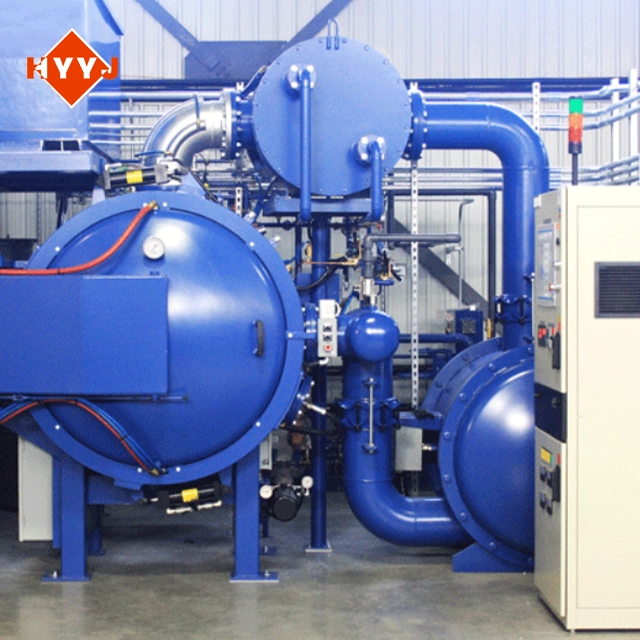 VIEW MOREIndustrial Vacuum Heat Treatment Furnace
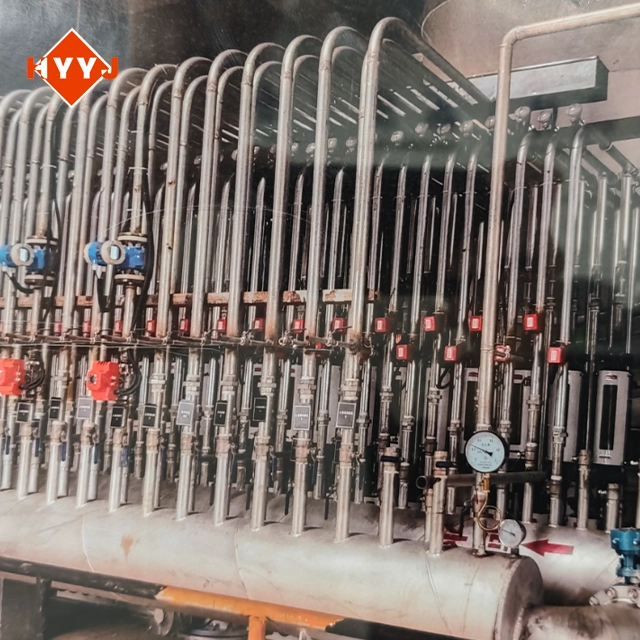 VIEW MOREFurnace Water-Cooling System
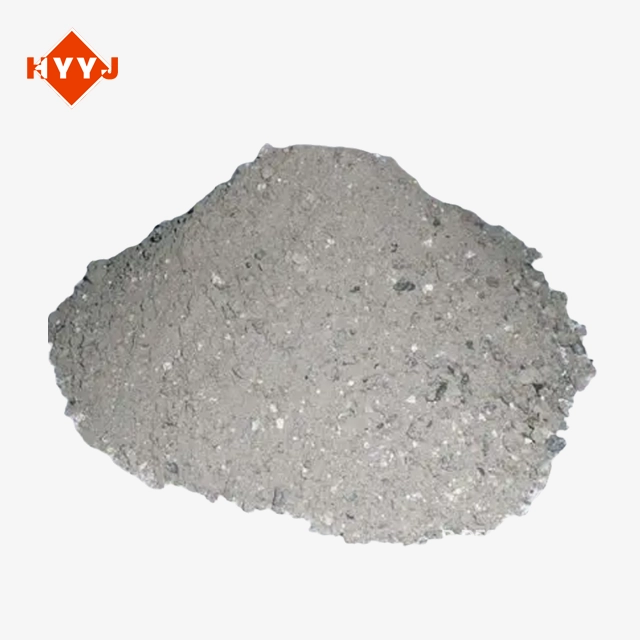 VIEW MORERamming Materials
 VIEW MORESpecial Carbon Electrode Paste
 VIEW MOREArc Furnace Cyclone Dust Collector
 VIEW MORENegative Pressure Dust Collector
 VIEW MOREHigh Frequency Furnace
 VIEW MORESteel Ladle Refining Furnace