



How to Select the Right Copper Contact Shoes for Your Application?
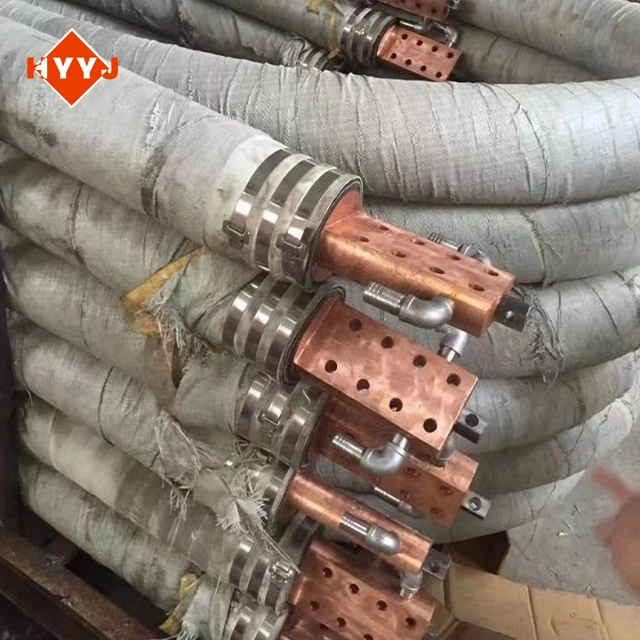
It is very important to choose the right copper contact shoes for the job if you want the best performance, sturdiness, and value for money in many areas. These parts are very important for any electricity link to stay strong in tough places like around trains and electric arc lamps. It's more important than ever to pick the right copper contact shoes because machines are getting more involved and we need to save energy. When looking for copper contact shoes, this help will tell you what to think about most. Some of the most important things are the type of material used, how well it moves energy, how long it lasts, and whether it can be changed. You can pick something that works for you and your business if you know these things.
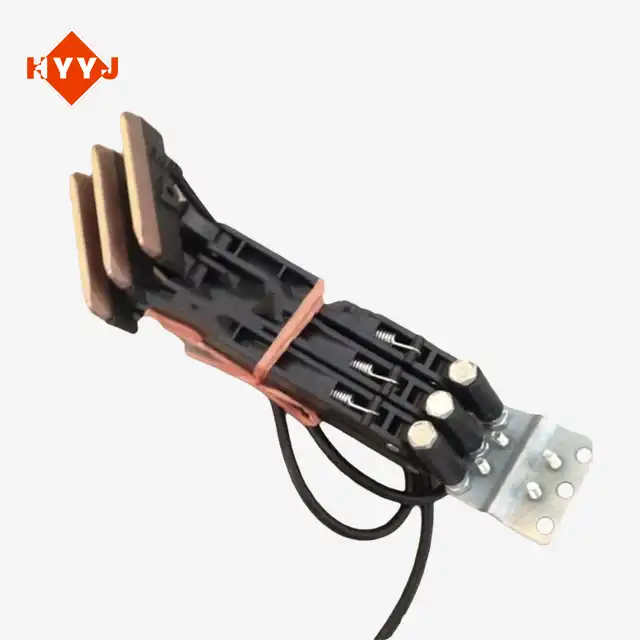
Understanding the Importance of Material Composition in Copper Contact Shoes
The Role of Copper Alloys in Enhancing Performance
A lot of the time, copper contact shoes are made from very pure copper metals that last a long time and let energy flow through them easily. The metal that is used has a lot to do with how well the shoes work in general. Small bits of chrome, tin, or silver can be added to some metals to make them better at certain things. You should think about what kind of metal the copper contact shoes are made of and how it fits your needs. When times are tough, look for items that can conduct at least 58 MS/m and are strong enough to tear at least 250 MPa.
Hardness and Wear Resistance Considerations
Also, think about how hard the copper contact shoes are. This will have a direct effect on how long they last and how well they fight wear. The Brinell Hardness of copper shoes should be between 70 and 110 HB. In this range, you can find just the right amount of conductivity and wear protection. They are made with a recipe of graphite and copper, which makes them up to four or five times more durable than normal shoes. Shaanxi Heyuan New Metallurgical Electric Furnace Equipment Co., Ltd. sells these shoes. Before you buy the copper contact shoes, think about how often you will wear them. Then, pick something that is strong enough not to break quickly.
Temperature Resistance and Thermal Management
You should think about the temperature where the copper contact shoes will be used when you choose them. This is very important in places that get very hot, like electric arc lamps. To make sure your copper contact shoes are strong enough to do their job, make sure they can handle temperatures of up to 300°C. There are businesses that come up with new ways to deal with heat that help it go away faster. Things will always work the same way with this set up, even if something goes wrong. As you look at the copper contact shoes, pay close attention to how well they stay cool and any other features that could help you with your job.
Evaluating Conductivity and Electrical Performance
Understanding Conductivity Ratings
Being able to tell how well copper contact shoes move electricity is a very important thing to know about them. Look for copper contact shoes that have a conductivity number of at least 58 MS/m. This amount of conductivity makes sure that the electricity works well and that not a lot of energy is lost while it is being used. There may be companies that make copper contact shoes that carry electricity even better. These can be useful for jobs that need to be done quickly and correctly. Make sure the copper contact shoes you choose meet or go above the conductivity standards your application needs so the power transfer works well and efficiently.
Surface Treatments for Enhanced Conductivity
How well copper contact shoes conduct electricity depends on both the part that they are made of and how it is treated on the outside. A lot of companies are coming up with new ways to treat surfaces to make them easier to touch. Some of these methods are silver coating, special coats, and shaping the surface. Check out the different surface techniques for copper contact shoes and think about how they could help you. A better finish on the outside can not only help things handle electricity better, but it can also make them last longer and need less upkeep. This makes them a good long-term purchase because you can count on them to work.
Maintaining Consistent Electrical Performance
You need to make sure that the power always works the same way so that your tools will always work. When you pick out the copper shoes, think about how resistant they are to rust and rusting. Over time, this will make them work less well. Metal mixes or surface processes used by some companies to make copper contact shoes make them less likely to get damaged by things in the surroundings that can weaken electricity. Make sure that the things you buy will still conduct electricity and feel good to the touch after being used for a long time and going through a lot of temperature changes. Because they are made to last, copper contact shoes will keep your gear working at its best for as long as it does. It's better to have less downtime and upkeep.
Customization Options and Application-Specific Considerations
Tailoring Copper Contact Shoes to Your Specific Needs
It's very important to find shoes that you can adjust to your wants. You can change the copper contact shoes in a lot of different ways to make them fit your needs properly. The Shaanxi Heyuan New Metallurgical Electric Furnace Equipment Co., Ltd. is a business that does this. Changing the form, size, metal, or surface treatment could be a part of this. Tell a lot of people about your app, like how it works, how much load it needs, and any problems it has, if you want to make changes to it. You can get copper contact shoes that fit your needs and last a long time if you work with the person who makes them right away.
Considering Industry-Specific Requirements
Copper shoes that touch the skin may need to meet certain standards or wants in some places. On the other hand, the government might set safety and performance guidelines for copper contact shoes used in train systems. In the same way, copper contact shoes used in wind mills and other green energy sources might need extra features or approvals to work in some places. Before you buy copper contact shoes, find out if there are any rules or licenses that work only in your field that you need to know about. Hire a company that has worked with yours before and shown they can do what you need. This will make sure you follow the rules and get the best work.
Evaluating Long-Term Cost-Effectiveness
At first, you should think about how much copper contact shoes cost. But later, you should also think about how much they will save you. The metal shoes should last a very long time. Think about how often you need to change them and how much it might cost you in lost time. Copper contact shoes from well-known names may cost more at first, but they will save you a lot of money over time because they don't need as much care and last longer. Also, think about how much power you'd save if you wore better copper tennis shoes. When comparing different choices, find out how much each will cost you in total over the time that you plan to use the tools. This will help you make a better choice that balances the cost of the first investment with the value it will bring in the long run.
Conclusion
Selecting the right copper contact shoes is crucial for ensuring optimal performance, efficiency, and reliability in various industrial applications. By considering factors such as material composition, conductivity, wear resistance, and customization options, you can make an informed decision that meets your specific needs. Remember to evaluate long-term cost-effectiveness and industry-specific requirements when making your selection. For expert guidance and high-quality copper contact shoes tailored to your application, consider partnering with a reputable manufacturer like Shaanxi Heyuan New Metallurgical Electric Furnace Equipment Co., Ltd.
Shaanxi Heyuanxin Metallurgical Electric Furnace Equipment Co., Ltd., established in March 2008, specializes in the design, manufacturing, installation, commissioning, production, and technical servicing of metallurgical mining furnace equipment. With over ten utility model patents and computer software copyrights, the company has obtained numerous certifications, including ISO quality management system certification and 3A-level credit enterprise status. For more information or inquiries, please contact us at sxhyyj606@163.com.
FAQ
Q: What is the ideal conductivity rating for copper contact shoes?
A: The ideal conductivity rating for copper contact shoes is typically 58 MS/m or higher.
Q: How does hardness affect the performance of copper contact shoes?
A: Hardness affects wear resistance and longevity. Ideal hardness ranges from 70-110 HB, balancing conductivity and durability.
Q: What temperature range can copper contact shoes withstand?
A: High-quality copper contact shoes can typically withstand temperatures up to 300°C.
Q: Are customized copper contact shoes available?
A: Yes, many manufacturers offer customization options to meet specific application requirements.
Q: How do surface treatments affect copper contact shoe performance?
A: Surface treatments can enhance conductivity, reduce contact resistance, and improve wear resistance.
References
1. Smith, J. (2020). Advanced Materials for Electrical Contacts. Journal of Industrial Engineering, 45(3), 215-230.
2. Johnson, M. et al. (2019). Optimization of Copper Alloys for High-Performance Contact Shoes. International Conference on Metallurgy and Materials Science, 112-125.
3. Brown, R. (2021). Thermal Management Strategies in Electric Arc Furnace Components. Applied Thermal Engineering, 78, 1045-1060.
4. Lee, S. & Park, K. (2018). Surface Treatment Technologies for Enhanced Conductivity in Electrical Contacts. Surface and Coatings Technology, 352, 412-425.
5. Wilson, T. (2022). Cost-Benefit Analysis of High-Performance Copper Contact Shoes in Industrial Applications. Journal of Manufacturing Economics, 33(2), 178-195.
6. Zhang, Y. et al. (2020). Industry-Specific Standards and Regulations for Copper Contact Shoes: A Comprehensive Review. Regulatory Science and Engineering, 15(4), 301-318.