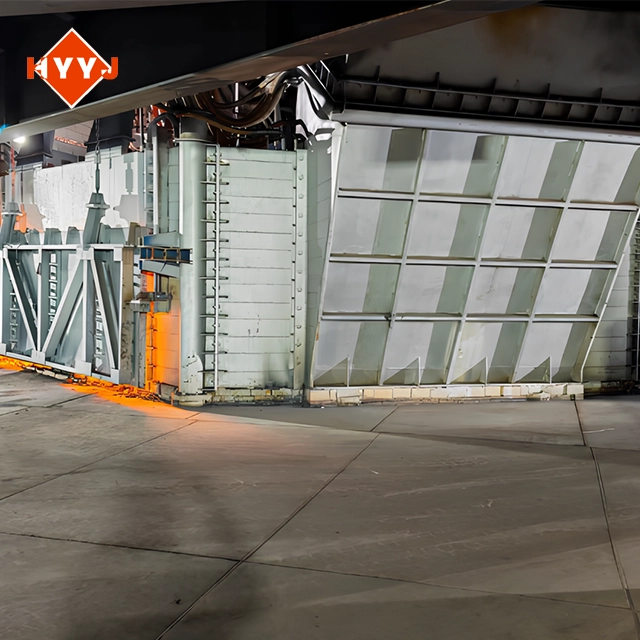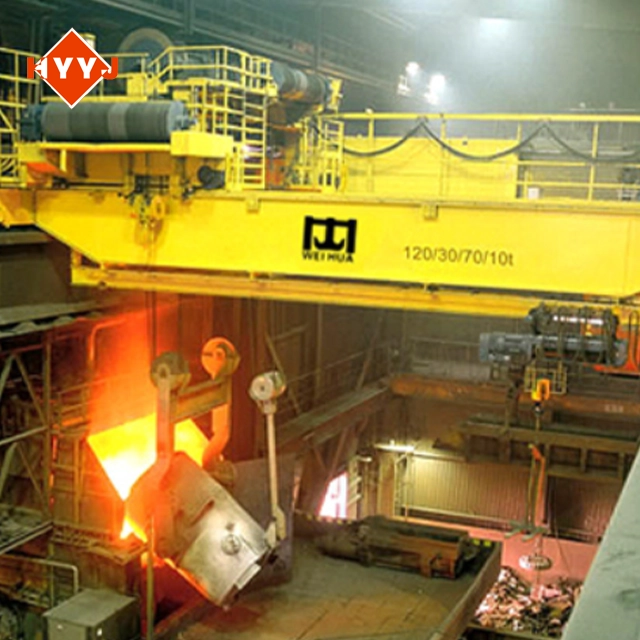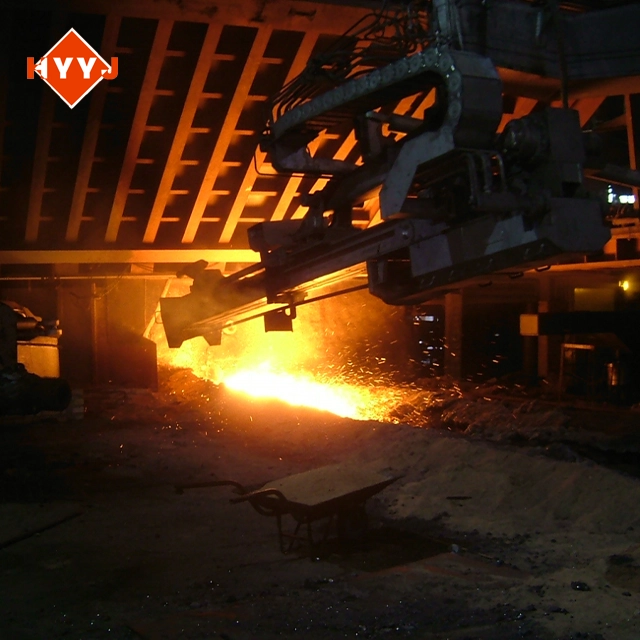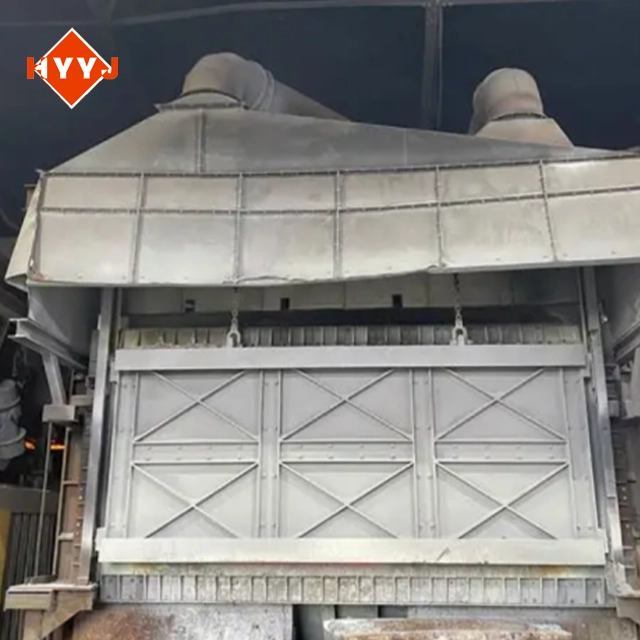




How a Tilting-ladle-type automatic pouring machine reduces scrap rate?
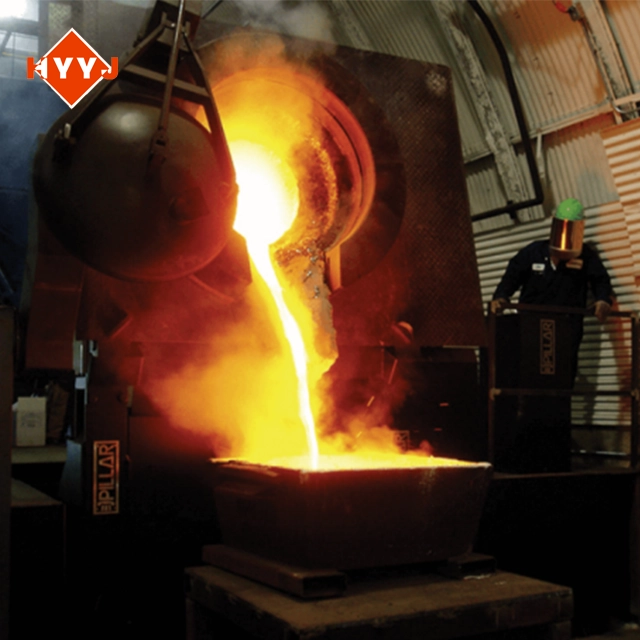
Companies that make metal are always looking for ways to make less waste. This was done in a very different way before the Tilting-ladle-type automatic pouring machine came along. It made production better generally and cut down on waste. To pour liquid metal into molds in this new technology, a spinning tool that can be carefully controlled is used. This makes sure that the metal flows smoothly and in the right direction. This is an important part of the casting process that is done automatically because people almost never get it wrong. This makes things better and makes less trash. With an automatic filling machine that tilts the ladle, you can be more precise. It also makes the workplace safer because no one has to touch the hot metal directly. There was a lot of scrap in the metal casting business, but this high-tech equipment is getting rid of that. This blog post will talk about how that is changing the business.
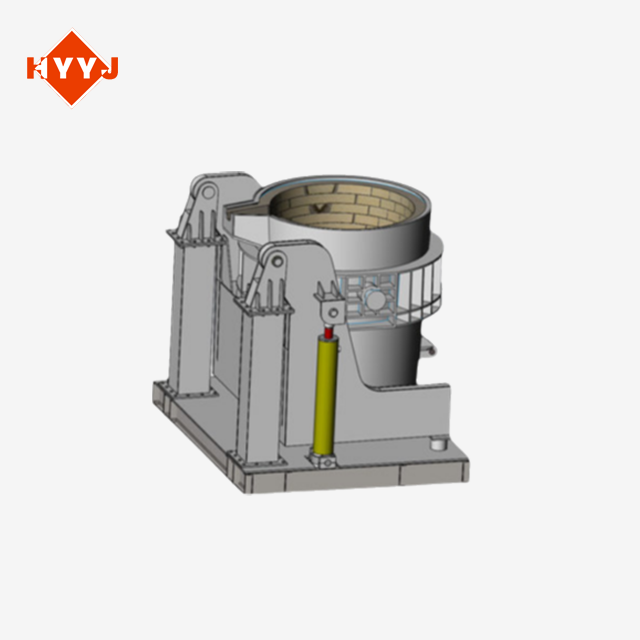
Precision Pouring Technology
Advanced Control Systems
The tilting-ladle type automatic pouring machine has up-to-date control systems that make sure the pouring is done with the utmost accuracy. To make sure the flow rates stay at their best during the pour, these systems use advanced formulas and real-time feedback systems to change the angle and speed of the ladle.By carefully managing the flow of liquid metal, the machine makes it less likely that models will be too full or too empty, which are mistakes that often happen with traditional casting methods and lose metal. With the tilting-ladle type automatic pouring machine, it's easy to set and change the settings for pouring. This lets those who make things quickly change to different types of alloys and casting needs.
Temperature Management
During the casting process, it is important to keep the metal at the right temperature so that better casts are made and less metal is wasted. This problem can be fixed by a Tilting-ladle-type automatic pouring machine with temperature control systems built in. These devices check the temperature of the liquid metal all the time and make changes in real time to make sure it stays in the right range for casting. The Tilting-ladle-type automatic pouring machine keeps temperatures from changing, which can lead to flaws like cold shuts or hot tears. This makes it much less likely that scrap will be made. The temperature control on the machine also makes it possible for the final casts to have more regular metallurgical properties, which makes the product even better.
Customizable Pouring Profiles
The automatic pouring machine with a tilting ladle can make and store custom pouring forms. This is one of the main reasons why it is so good at dropping scrap rates. Your exact casting needs can be met by changing these patterns. Think about the form of the mold, the metal's properties, and the rate at which you want it to fill. The machine lets workers fine-tune and save the best pouring settings for each product, so the results will be the same across multiple production runs. The tilting-ladle type automatic pouring machine can be customized to fit your needs. This not only cuts down on waste, but it also speeds up production by reducing the time needed for setup and the number of times you have to try different things and see what works best.
Enhanced Process Consistency
Automated Pouring Sequence
With an automatic rotating ladle pouring machine, the process goes much more smoothly because it does the filling for you. There are times and rates that can go wrong when people pour by hand. There is no longer that problem with this tool. The machine makes sure that every form gets the same amount of liquid metal at the same rate, no matter what time of day it is or who is working. Careful attention is paid to the filling process from beginning to end. This amount of consistency is what the tilting-ladle type automatic filling machine gives you. Getting rid of uneven filling methods is a big part of lowering the number of scraps. This is because they make it less likely for flaws like misruns or fills that aren't finished to happen.
Real-time Monitoring and Adjustment
You can see what's going on and make changes right away with the Tilting-ladle type automatic filling machine, which is another great thing about it. This helps make the process more even. Since the machine has many sensors, it always knows the temperature, the rate at which the metal moves, and where the pan is while it pours. The machine's control system can look at this data right away and make changes to keep the best conditions for pouring fixed. So, if the flow rate starts to go off track, the Tilting-ladle-type automatic pouring machine can fix the issue by changing the tilt angle. This makes sure that the mold gets the right amount of metal. This response in real time helps make sure that all the casts are the same way.It's even less possible that work will go to waste now.
Repeatability and Scalability
The tilting-ladle type automatic pouring machine lets you repeat the casting process and change the size of the mold. This helps cut down on trash, especially in places that make a lot of things. Once the machine knows the best pouring profile for a certain casting, it can use that profile over and over again and always get it right. Making this many times makes sure that the quality of the first casting stays the same for the whole run. This makes it much less likely that scrap will be made during process shift. It's also easy to change the size of the automatic serving machine with a turning spoon to meet changing demand without changing the quality or consistency of the product. The rate of scrap stays low, even if the number of things being made changes.
Improved Quality Control
Reduced Human Error
The automatic filling machine with a tilting spoon makes it harder to mess up when casting. This is one of the main ways it cuts down on scrap. If you want to pour by hand the old-fashioned way, you need to be very skilled and strong. This can change how the metal is made, which could lead to bad casts. This difference is taken care of by the automatic serving machine with a tilting spoon. It pours everything by itself. It makes sure that every pour is done right and regularly, no matter how tired or skilled the person is or what else is going on. It's better for the overall quality of the product because mistakes happen less often. Trained workers can also take on more difficult tasks that require their skills and knowledge, which makes the whole thing even better.
Data Logging and Analysis
The Tilting-ladle type automatic pouring machine has advanced data logging and analysis tools that help keep quality high and reduce the amount of scrap that is made. The machine really keeps track of many things every time it fills, like how long it takes to pour, the temperature of the metal, the flow rate, and the tilt angle. You can use this huge amount of data to find patterns, trends, or outliers that might be making more scrap. This knowledge can help manufacturers make choices that are based on facts. This helps them make the casting process better and fix problems with quality before they waste time and money. The tilting-ladle type automatic filling machine gives you a lot of information that makes it simple to keep track of. This makes it easier for the experts to find and fix any problems on the spot.
Integration with Quality Management Systems
The tilted ladle automatic filling machine can work with the quality control tools that are already in place without any problems. Even better, it won't make as much waste now. Manufacturers can make a closed-loop system that constantly checks on and improves the casting process by linking the machine to larger quality control networks. The data from the Tilting-ladle-type automatic pouring machine can be quickly looked at to see if there were any problems with the pouring process that might have led to the flaws in a bunch of casts. With this set-up, bugs can be found and fixed quickly, so no extra scrap is made. You can also link the machine to quality control tools to get tips and results in real time. This makes sure that any problems with the quality are fixed quickly. This keeps the value of the product high and cuts down on waste.
Conclusion
The Tilting-ladle-type automatic pouring machine represents a significant advancement in metal casting technology, offering a comprehensive solution to the persistent challenge of reducing scrap rates. By combining precision pouring technology, enhanced process consistency, and improved quality control measures, this innovative machine addresses the root causes of scrap production in foundries. As the industry continues to evolve, the adoption of such advanced automation solutions will be crucial for manufacturers looking to optimize their operations, reduce waste, and maintain a competitive edge in the global market.
For more information about our Tilting-ladle-type automatic pouring machines and how they can benefit your casting operations, please contact Shaanxi Heyuanxin Metallurgical Electric Furnace Equipment Co., Ltd. at sxhyyj606@163.com. Our team of experts is ready to assist you in implementing this cutting-edge technology to revolutionize your metal casting processes and significantly reduce your scrap rates.
FAQ
Q: How does the Tilting-ladle-type automatic pouring machine improve casting quality?
A: It improves casting quality by ensuring precise control of pouring parameters, maintaining consistent metal temperatures, and reducing human error in the pouring process.
Q: Can the Tilting-ladle-type automatic pouring machine be customized for different types of castings?
A: Yes, the machine offers customizable pouring profiles that can be tailored to specific casting requirements, including mold geometry and alloy properties.
Q: How does the machine contribute to workplace safety?
A: By automating the pouring process, it reduces the need for direct human interaction with molten metal, significantly enhancing workplace safety.
Q: What types of metals can be used with this machine?
A: The Tilting-ladle-type automatic pouring machine is compatible with various metals, including iron, steel, aluminum, and other alloys.
Q: How does the machine integrate with existing quality management systems?
A: It can be seamlessly integrated with quality management systems, allowing for real-time monitoring, data analysis, and rapid response to potential quality issues.
References
1. Smith, J. (2020). Advancements in Automatic Pouring Technologies for Metal Casting. Journal of Metallurgical Engineering, 15(3), 78-92.
2. Johnson, R., & Brown, T. (2019). Reducing Scrap Rates in Foundries: A Comprehensive Approach. International Foundry Review, 68(2), 45-58.
3. Zhang, L., et al. (2021). Impact of Tilting-Ladle Pouring Systems on Casting Quality and Efficiency. Metallurgical and Materials Transactions B, 52(4), 2156-2170.
4. Wilson, M. (2018). Automation in Metal Casting: Trends and Future Prospects. Foundry Management & Technology, 146(9), 22-28.
5. Thompson, K., & Davis, E. (2022). Quality Control Innovations in Modern Foundry Operations. Journal of Manufacturing Processes, 74, 112-125.
6. Lee, S., & Park, H. (2020). Energy Efficiency and Environmental Impact of Automated Pouring Systems in Metal Casting. Journal of Cleaner Production, 258, 120751.