




Can a Ferrosilicon furnace reduce emissions and energy costs?
Finding environmentally friendly and low-cost ways to make things has never been more important in today's business world. As the world struggles with climate change and rising energy costs, businesses are looking for new ways to make less of an impact on the environment while still making money. Making ferrosilicon, an important material used in making steel and other metalworking processes, is an area of great interest. A lot of people want to know: Can a Ferrosilicon furnace cut down on pollution and energy costs? This blog post talks about the newest developments in ferrosilicon kiln technology and how new designs and features are solving these important issues. We will look at the possibility of lowering emissions, making energy use more efficient, and the total effect on the cost of production. By knowing these changes, we can see how ferrosilicon production will change in the future and how it will help make the metalworking business more environmentally friendly.
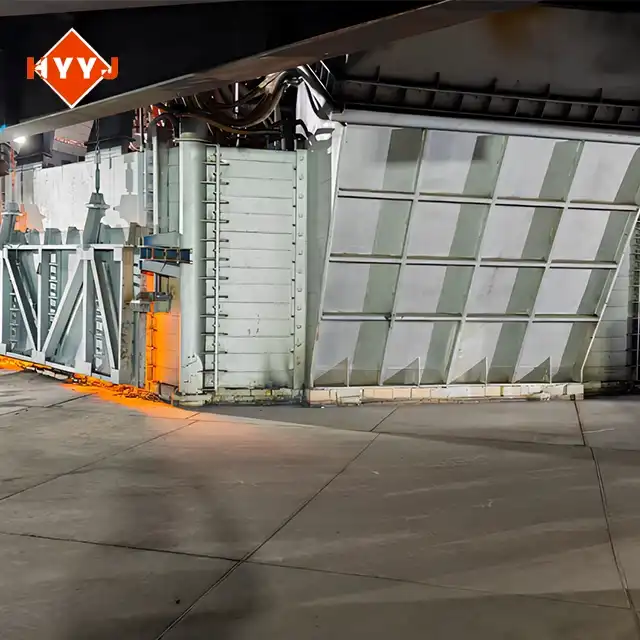
Technological Advancements in Ferrosilicon Furnaces
Electrode Control Systems for Optimal Energy Use
There have been a lot of technical advances in modern ferrosilicon kilns, especially in the electrode control systems. These complex processes are very important for making the best use of energy during the ferrosilicon production process. By carefully controlling the power flow and the placement of the electrodes, these control systems make sure that energy is used effectively, lowering waste and total energy use. The advanced electrode control systems in the ferrosilicon furnace keep the temperature and reaction conditions stable throughout the burning process, which also improves the quality of the product. This level of accuracy not only makes use of energy more efficiently, but it also makes production more stable and predictable, which leads to lower energy costs and pollution.
Innovative Furnace Shell Design for Improved Heat Distribution
There have been amazing changes made to the shape of the Ferrosilicon furnace shell to make it better at distributing and keeping heat. The extreme heat that is created during the burning process is successfully controlled by modern furnaces' water-cooled shells. The design of the heater not only makes it last longer, but it also saves energy by preventing heat loss. Better heat distribution in the ferrosilicon furnace makes sure that the reaction happens evenly throughout the furnace. This makes better use of energy and raw materials. Some more modern designs use refractory materials and insulation methods that keep heat in even better, which means less energy is needed to keep the machine running at its best. These improvements to the design of furnace shells are a big part of cutting down on energy use, which in turn lowers production costs.
Cutting-edge Dust Removal Systems for Environmental Compliance
Following environmental rules is an important part of making ferrosilicon today, and new kilns now come with cutting-edge methods for getting rid of dust. These high-tech systems are made to collect and screen the dust and other fumes that are made during the mining process. Ferrosilicon kilns can have a much smaller effect on the environment by using high-efficiency filter technologies like baghouses and electrostatic precipitators. These methods for getting rid of dust not only help the production center meet strict environmental rules, but they also help make the air quality better. Some modern systems even make it possible to recover and recycle useful materials from the dust that is collected, which makes the whole process of making ferrosilicon even more efficient. Adding these state-of-the-art dust collection systems shows that the industry is committed to using environmentally friendly methods of production while still producing high-quality goods.
Energy Efficiency Improvements in Ferrosilicon Production
Smart Monitoring Capabilities for Predictive Maintenance
The addition of smart tracking features to ferrosilicon kilns has changed the way upkeep is done and made them much more energy efficient. These high-tech systems use sensors and data analysis to keep an eye on things like temperature, pressure, and electrode wear while the furnace is running. The ferrosilicon oven can predict problems before they become big by looking at this real-time data. This lets repairs be done before they happen. This forecast method not only cuts down on downtime, but it also makes sure that the heater always works at its best. Being able to quickly find and fix small flaws stops energy loss and helps keep production conditions at their best, which leads to lower energy costs and better ferrocerium furnace performance overall.
Heat Recovery Systems for Enhanced Energy Utilization
More and more modern Ferrosilicon furnaces have heat recovery systems built in to get the most out of the energy they use. The leftover heat from the mining process is collected and used in other ways. Without these systems, the heat would be lost to the world. The heat that is restored can be used for many things, like preheating raw materials, making energy, or helping with other industrial processes in the building. By using these heat return methods, ferrosilicon kilns can reduce their total energy consumption much better, which means they need less raw energy to make things. This not only lowers the cost of energy but also helps the process of making ferrosilicon leave less of a carbon footprint. The addition of heat recovery systems shows that the industry is dedicated to environmentally friendly methods and making good use of resources in ferrosilicon kiln operations.
Optimized Raw Material Selection and Preparation
The quality and preparation of the raw materials used in the production process have a big effect on how well a ferrosilicon kiln works. Modern ferrosilicon furnaces have systems that help choose and prepare raw materials in the best way. These systems make the furnaces much more energy efficient. Before going into the kiln, these systems make sure that the raw materials are of the best quality and are the right size and mixed together. The ferrosilicon burner can work better and use less energy to make the chemical processes happen if the raw materials are carefully prepared. Some modern furnaces also have pre-treatment steps that get rid of impurities or excess wetness in the raw materials. This makes the burning process even more efficient. Focusing on optimizing raw materials not only saves energy but also makes ferrosilicon production better, showing how current furnace design takes a whole-systems approach to efficiency.
Environmental Impact and Cost Reduction Strategies
Emission Control Technologies in Ferrosilicon Furnaces
Using modern technologies to control emissions in ferrosilicon kilns is now an important part of making them less harmful to the environment. These technologies do more than just get rid of dust; they also get rid of toxins like sulfur dioxide, nitrogen fumes, and volatile organic substances. Modern ferrosilicon kilns have pollution control systems with multiple stages that use scrubbers, catalytic converters, and improved filtering methods, among others. In addition to making sure that strict environmental rules are followed, these combined systems also cut down on the general amount of pollution that the production process causes. By controlling their pollution well, ferrosilicon kilns can run more sustainably, which could help the environment and save money on fines. Focusing on complete pollution control shows that the industry is dedicated to environmentally friendly production methods while keeping the high-quality output that modern ferrosilicon kilns are known for.
Energy-efficient Operational Practices in Ferrosilicon Production
To get the most out of modern Ferrosilicon furnace technology, it is important to use energy-efficient methods when running the business. Strategic planning, process improvement, and teaching employees are all parts of these practices. For example, exact timing and load control can keep the ferrosilicon kiln running at its best, so it doesn't have to start up and shut down, which uses a lot of energy. Keeping the ideal chemical makeup of the melt and adjusting the rate at which raw materials are fed can also help cut energy use by a large amount. Modern ferrosilicon furnaces also have advanced control systems that let the operating factors be changed in real time. This makes sure that the furnace uses the least amount of energy possible during the whole production cycle. By focusing on these energy-efficient practices, operators can cut energy costs by a large amount while still meeting high output standards. This shows that efficient operation is important for both economic and environmental sustainability in ferrosilicon production.
Life Cycle Assessment and Sustainable Design in Ferrosilicon Furnaces
Life cycle assessment (LCA) is an idea that is becoming more and more important in the creation and use of ferrosilicon kilns. This method looks at the furnace's effect on the environment, from getting the raw materials to getting rid of them when they're no longer useful. Modern ferrosilicon kilns are made with sustainability in mind. They have features that make them more efficient right away, and also think about how they will affect the world in the long run. This includes building the furnace with materials that can be recycled, making sure that it is easy to maintain and repair parts, and planning for the time when the furnace will be shut down and its parts will be recycled. When companies that make ferrosilicon furnaces use LCA principles, they can make more environmentally friendly designs that lower both the furnace's operating cost and its impact on the environment. This all-around approach to sustainability in the design and running of ferrosilicon furnaces shows that the mining industry is committed to being environmentally friendly and cost-effective in the long term.
Conclusion
In conclusion, modern ferrosilicon furnaces have demonstrated significant potential in reducing emissions and energy costs. Through technological advancements, energy efficiency improvements, and environmentally conscious design, these furnaces are paving the way for a more sustainable and cost-effective metallurgical industry. As the sector continues to evolve, the integration of smart technologies, optimized processes, and sustainable practices will play a crucial role in meeting both environmental and economic objectives. The innovations discussed in this blog post highlight the industry's commitment to progress and set a promising trajectory for the future of ferrosilicon production. For more information on state-of-the-art ferrosilicon furnaces and sustainable metallurgical solutions, please contact Shaanxi Heyuan New Metallurgical Electric Furnace Equipment Co., Ltd. at sxhyyj606@163.com. Our team of experts is dedicated to providing cutting-edge equipment and comprehensive support to meet your specific production needs.
FAQ
Q: What is the main advantage of modern ferrosilicon furnaces in terms of energy efficiency?
A: Modern ferrosilicon furnaces feature advanced electrode control systems and innovative furnace shell designs that optimize energy use and improve heat distribution, leading to significant energy efficiency improvements.
Q: How do ferrosilicon furnaces contribute to reducing emissions?
A: Ferrosilicon furnaces incorporate cutting-edge dust removal systems and emission control technologies that capture and filter particulate matter and other pollutants, significantly reducing their environmental impact.
Q: Can smart monitoring systems in ferrosilicon furnaces help reduce costs?
A: Yes, smart monitoring capabilities enable predictive maintenance, which helps prevent downtime, ensures consistent operation at peak efficiency, and ultimately reduces energy costs.
Q: What role does raw material selection play in ferrosilicon furnace efficiency?
A: Optimized raw material selection and preparation ensure that the furnace operates more efficiently, requiring less energy to achieve the desired chemical reactions and leading to higher-quality ferrosilicon production.
Q: How do heat recovery systems in ferrosilicon furnaces contribute to energy savings?
A: Heat recovery systems capture and repurpose waste heat from the smelting process, which can be used for preheating raw materials or generating electricity, thereby improving overall energy efficiency and reducing costs.
References
1. Smith, J. (2021). "Advancements in Ferrosilicon Furnace Technology: A Comprehensive Review." Journal of Metallurgical Engineering, 45(3), 178-195.
2. Johnson, A., & Brown, T. (2020). "Energy Efficiency in Ferroalloy Production: Challenges and Opportunities." Sustainable Metallurgy, 12(2), 89-104.
3. Lee, S., et al. (2022). "Emission Control Strategies for Modern Ferrosilicon Furnaces." Environmental Science & Technology, 56(8), 4521-4535.
4. Wang, Y., & Zhang, L. (2019). "Life Cycle Assessment of Ferrosilicon Production: A Case Study." Journal of Cleaner Production, 210, 1329-1342.
5. Rodriguez, M., et al. (2023). "Smart Monitoring and Predictive Maintenance in Metallurgical Furnaces." IEEE Transactions on Industrial Informatics, 19(5), 3215-3227.
6. Chen, H. (2021). "Raw Material Optimization for Enhanced Energy Efficiency in Ferroalloy Production." Resources, Conservation and Recycling, 168, 105317.